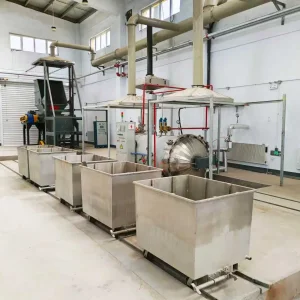
High-capacity automated thermal autoclave engineered for intensive disinfection of biomedical garments and personal protective gear in urban healthcare sectors.
Technical Specifications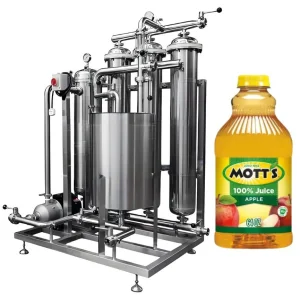
Fully integrated heat exchange pasteurizer and flash sterilizer tailored for high-yield fruit juice processors operating across southern African commercial farms.
Technical Specifications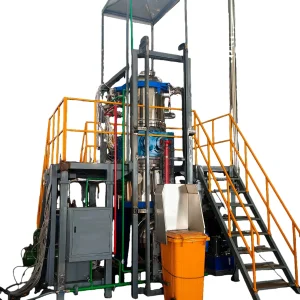
Space-saving vertical autoclave layout utilizing rapid vacuum-assisted steam to process hazard-level clinical waste with zero toxic emissions.
Technical Specifications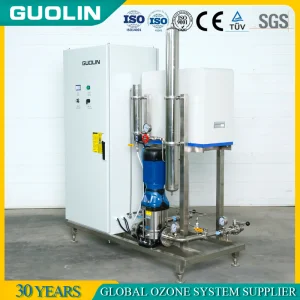
An eco-friendly, zero-chemical disinfection unit providing continuous oxidation for drinking reservoirs and large industrial cooling tower networks.
Technical SpecificationsDeveloping efficient healthcare and food processing industries within Namibia demands equipment built to withstand extreme environmental challenges. As a highly arid nation characterized by localized mineral-heavy water tables and significant dust presence, autoclave and sterilization machinery must possess rugged pre-filtration and softening systems to prevent premature scaling and component failure. Furthermore, rural clinical hubs dispersed from the Oshana region to the Karas region face electrical fluctuations. This requires smart power management integrations and dual-fuel configurations (diesel/electric/steam hybrid options) to ensure continuous bio-containment loops.
Modernization acts from the Namibian Ministry of Health and Social Services (MoHSS) prioritize green tech for medical waste. Traditional open combustion methods are being phased out. This shift drives the adoption of advanced micro-shredding steam autoclaves and microwave disinfection systems. These systems convert complex waste items into sterile municipal residues without producing toxic furans and dioxins.
Internationally, sterilization technologies have transitioned from basic mechanical timer units to PLC-guided systems that track critical process variables in real-time. Whether processing surgical holloware in Windhoek or pasteurizing dairy products near Gobabis, validation compliance dictates utilizing computerized sterilization cycles.
Adhering to strict international standards such as EN 285 (for large steam sterilizers), ISO 11135 (for industrial ethylene oxide processes), and ISO 17665 (for moist heat validation) is essential. These framework guidelines guarantee a Sterility Assurance Level (SAL) of 10-6, meaning the probability of a surviving microorganism is less than one in a million. This level of safety is crucial for both open-heart surgical setups and commercial food exports destined for European markets.
| Sterilization Method | Target Application Sector | Resource Requirement | Namibia Market Compatibility | Validation Metric (SAL) |
|---|---|---|---|---|
| Saturated Steam (Autoclaving) | Hospitals, Labs, Waste Disposal | Pure Water Supply, Electrical Phase 3 | Highly Compatible (requires softeners) | 10-6 |
| Ethylene Oxide (EtO) | Industrial Thermolabile Medical Devices | EtO Gas canisters, degassing chamber | For centralized manufacturing plants | 10-6 |
| Vaporized Hydrogen Peroxide (VHP) | Cleanrooms, HEPA Filters, Lab Hoods | Vaporizer unit, H2O2 liquid | Optimal for pharmaceuticals, dust-free areas | 10-6 |
| Microwave Disinfection | Medical Waste, PPE Disinfection | Electrical grid, zero water required | Excellent for dry, rural, water-scarce zones | 10-4 to 10-6 |
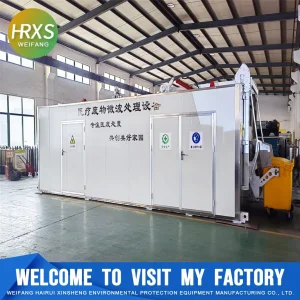
A heavy-duty, self-contained unit that shreds and disinfects biohazardous clinic waste on-site, perfect for remote outposts.
Technical Specifications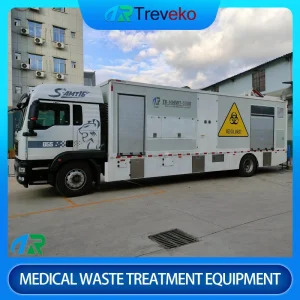
Rapidly regenerates and decontaminates surgical masks in large volumes using targeted microwave pathogen destruction.
Technical Specifications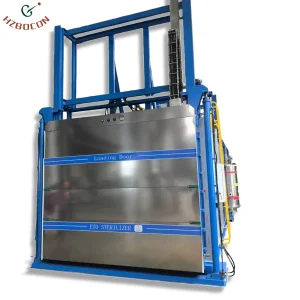
A large-scale gas sterilizer designed for heat-sensitive medical devices, fitted with advanced exhaust scrubbing technology.
Technical Specifications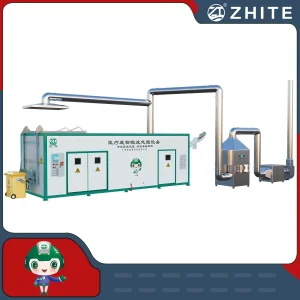
A stationary, high-volume autoclave engineered for municipal hospitals to treat high-hazard medical waste efficiently and safely.
Technical Specifications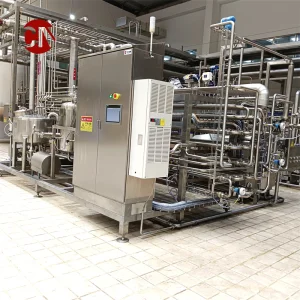
A customizable thermal pasteurization unit built to preserve fresh farm milk, optimizing shelf-life and nutritional profiles.
Technical Specifications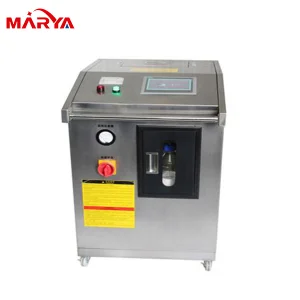
Employs dry gas vapor technology for deep decontamination of containment rooms and delicate cleanroom HEPA filters.
Technical Specifications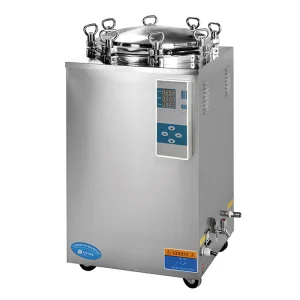
An energy-efficient 75-liter vertical autoclave built for educational labs, medical research, and precision food cultivation.
Technical Specifications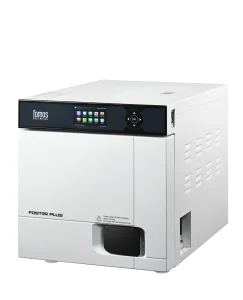
A compact Class B vacuum-assisted autoclave ideal for clinics, dental practices, and outpatient operating rooms.
Technical SpecificationsTo support core sterilization machinery, we provide critical secondary equipment, sterilization containment drums, and specialized tabletop rapid thermal units designed for healthcare facilities in Namibia.
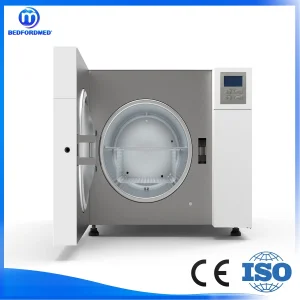
Designed for critical operating theaters, offering rapid pathogen control in sterile cleanrooms.
View Details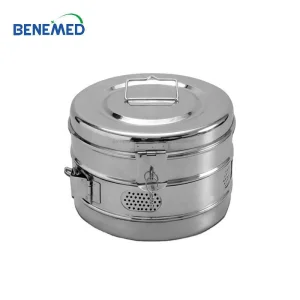
Heavy-gauge stainless steel containment drums and medical trays built to withstand repeated high-pressure steam cycles.
View Details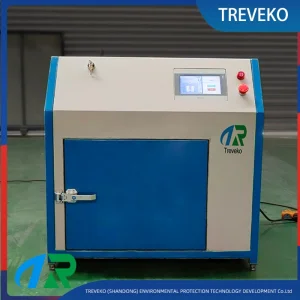
A compact countertop microwave disinfector designed to process clinic diagnostics and surgical waste on-site.
View Details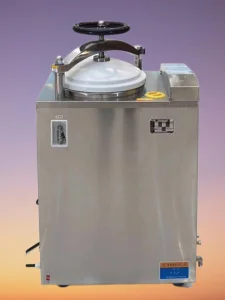
Utilizes optimized dual-chamber baskets to double the processing throughput of critical medical tools.
View DetailsNingbo FoysMed Solutions Co., Ltd. is a professional medical equipment manufacturer specializing in rehabilitation and mobility solutions, as well as a reliable OEM supplier for global healthcare markets. The company is committed to delivering high-quality, safe, and efficient medical products that support hospitals, clinics, rehabilitation centers, and home care environments.
FoysMed offers a comprehensive range of products, including electric wheelchairs, mobility aids, rehabilitation consumables, wound care products, surgical instruments, and general medical devices. Each product is designed and manufactured in compliance with strict international quality standards, ensuring reliability, durability, and user comfort in a wide variety of medical applications.
With advanced production facilities, precision manufacturing processes, and rigorous quality control systems, Ningbo FoysMed Solutions Co., Ltd. ensures consistent product performance and stable supply capabilities. The company also provides flexible OEM and ODM services, allowing clients to customize product specifications, materials, packaging, and branding to meet specific market demands.
Driven by innovation, quality, and customer satisfaction, FoysMed continues to expand its global presence. The company is dedicated to supporting healthcare providers with dependable medical equipment solutions that improve patient care, enhance rehabilitation outcomes, and contribute to a better quality of life worldwide.

The sterilization and biosafety industry is undergoing a digital revolution. Next-generation sterilization plants are incorporating Industrial IoT (Internet of Things) integration. This technology allows remote autoclave units to upload real-time validation logs directly to cloud databases. For healthcare clinics in Namibia, this technology is vital. It enables engineers based in Windhoek or international facilities to diagnose sensor errors, monitor cycle histories, and predict component wear before failure occurs.
At the same time, environmental sustainability is shaping modern design. Advanced vacuum steam sterilizers now feature closed-loop water recirculation systems, reducing fresh water consumption by up to 90%. Additionally, the development of solar-assisted sterilization systems offers a reliable solution to mitigate electrical grid fluctuations, paving the way for off-grid operations in clinics across developing regions.
From a chemical standpoint, low-temperature sterilization is moving away from hazardous chemical profiles toward ozone (O3) and vaporized hydrogen peroxide (VHP) formulations. When these compounds break down, they leave only pure oxygen and water vapor. This transition eliminates exposure risks for clinic staff and removes the need for long degassing cycles, ensuring rapid instrument turnaround times.
 FoysMed Solutions