Engineered to deliver life-saving stability across acute care settings, mobile field stations, and metropolitan hospital centers throughout the Metropolitan City of Naples.
Strategic modernization of the Servizio Sanitario Regionale (SSR) across Southern Italy's highest-density urban trauma network.
The Metropolitan City of Naples, serving as the epicentre of Campania's healthcare network, presents a distinct set of operational demands for emergency medical equipment (EME) manufacturers and exporters. Under the governance of regional health authorities such as ASL Napoli 1 Centro, ASL Napoli 2 Nord, and ASL Napoli 3 Sud, alongside premier research university hubs like Azienda Ospedaliera Universitaria Federico II and high-volume trauma centres like Ospedale Cardarelli, emergency medical resources face continuous, high-intensity throughput.
In recent years, Italy’s Piano Nazionale di Ripresa e Resilienza (PNRR) Mission 6 (Salute) has allocated historic capital toward upgrading emergency diagnostic networks, decentralized intermediate clinics (Case della Comunità), and the regional 118 emergency dispatch ecosystem. Exporters must navigate the nuances of the Italian Public Procurement Code (Codice dei Contratti Pubblici) and public tendering protocols administered via So.Re.Sa. S.p.A. (Società Regionale per la Sanità), demanding comprehensive compliance with EU MDR 2017/745, automated telemetric interoperability, and stringent CE-marked biocompatibility standards.
Key technological breakthroughs reshaping pre-hospital trauma care, decentralized ICUs, and life support systems globally.
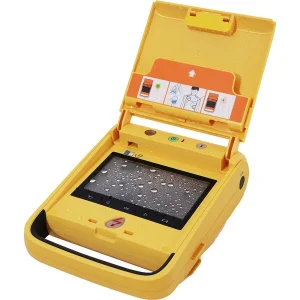
Modern emergency machinery integrates edge computing to run continuous algorithmic telemetry. Ventilators and biphasic defibrillators compute patient pulmonary compliance and real-time arrhythmia classification directly on the transport device, syncing crucial diagnostic telemetry directly with receiving hospital trauma bays prior to ambulance arrival.
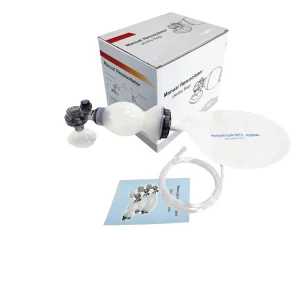
The demand for high-durability portable resuscitation units has shifted manufacturing toward IPX4-to-IP54 ingress ratings, military-grade vibration resilience, and light alloy chassis. Emergency medical personnel in dense, historic European transit corridors require ultra-compact footprint without compromising ICU-grade algorithmic performance.
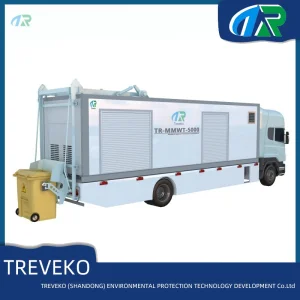
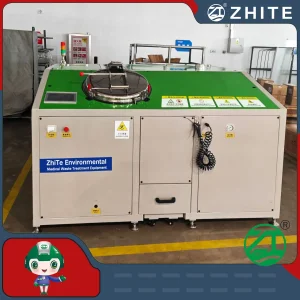
Infectious disease outbreaks and rigorous biosecurity mandates have necessitated point-of-generation decontamination systems. Mobile microwave sterilization units eliminate cross-contamination hazards by shredding and neutralizing hazardous medical waste within mobile field hospitals and containment clinics prior to municipal handling.
Custom manufacturing strategies engineered to overcome the geographic and demographic challenges of Southern Italy.
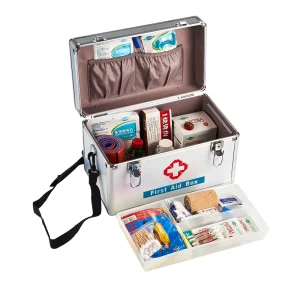
Navigating the narrow cobblestone corridors of Spaccanapoli and the Quartieri Spagnoli demands lightweight, back-packable AED systems, micro-ventilators, and durable modular first-aid trauma bags that allow mobile responders on motorcycles or small emergency vehicles to render instant life support.
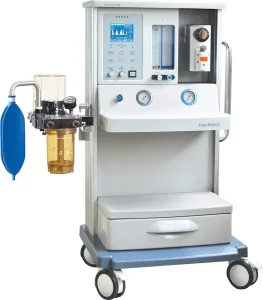
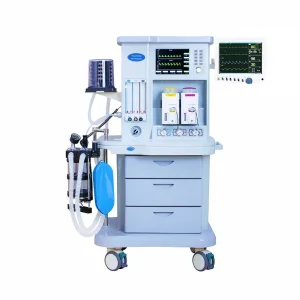
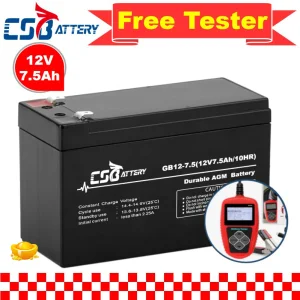
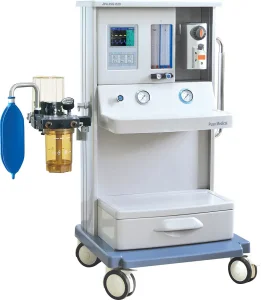
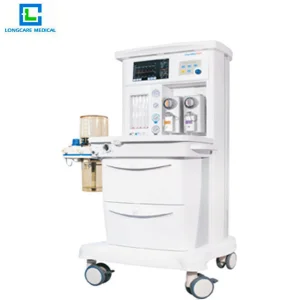
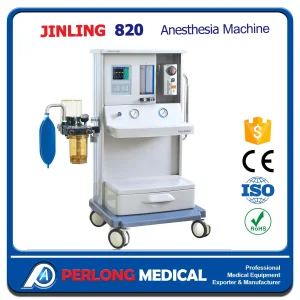
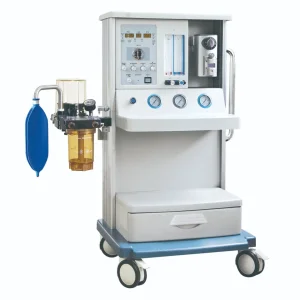
The Bradisism and volcanic zones within Campi Flegrei require large-scale emergency contingencies. Factory-direct supplies of rapid-deployment mobile clinics, field-ready anesthesia units, deep-cycle emergency power systems, and portable waste autoclaves are vital elements in civil defense readiness.
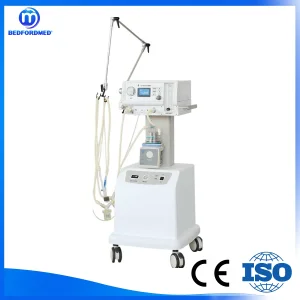
Trauma transfers from Capri, Ischia, and Procida to Cardarelli or Santobono pediatric trauma units require robust medical monitoring. Continuous battery-backed CPR resuscitation tubes, telemetry defibrillators, and vibration-resistant transport ventilators maintain clinical continuity aboard hydrofoils and air ambulances.
A multi-tiered engineering transition moving from modular hardware toward hyper-connected autonomous life-support ecosystems.
Standardization of dual-frequency electronic gas mixers, multi-axis motion artifact suppression in cardiac defibrillation, and full integration of UDI (Unique Device Identification) architectures satisfying EU MDR protocols for cross-border logistics to Campania depots.
Integration of ultra-low latency sub-6GHz connectivity modules within emergency ICU ventilators. Enables central command physicians in regional hub hospitals to adjust ventilator pressure limits and administer anesthetic titration remotely during critical inter-facility transit.
Replacement of traditional lead-acid/lithium chemistries with solid-state safe electrolyte power cells, combined with closed-loop physiological AI models that dynamically automate oxygen fractioning and defibrillation timing in multi-trauma disaster scenarios.
Comprehensive OEM/ODM contract manufacturing capabilities empowering healthcare distributors, emergency services, and hospitals worldwide.
Ningbo FoysMed Solutions Co., Ltd. is a professional medical equipment manufacturer specializing in rehabilitation and mobility solutions, as well as a reliable OEM supplier for global healthcare markets. The company is committed to delivering high-quality, safe, and efficient medical products that support hospitals, clinics, rehabilitation centers, and home care environments.
FoysMed offers a comprehensive range of products, including electric wheelchairs, mobility aids, rehabilitation consumables, wound care products, surgical instruments, and general medical devices. Each product is designed and manufactured in compliance with strict international quality standards, ensuring reliability, durability, and user comfort in a wide variety of medical applications.
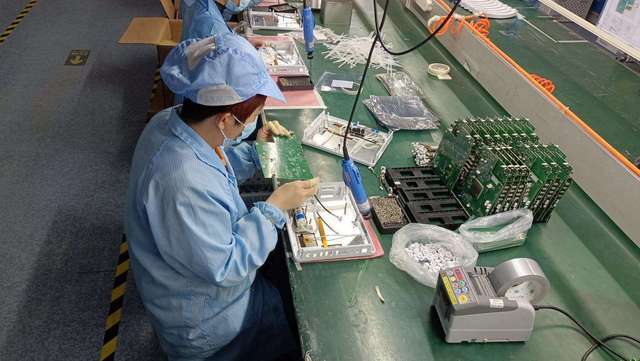
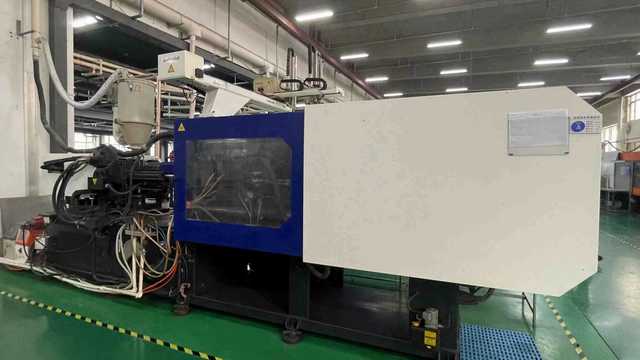
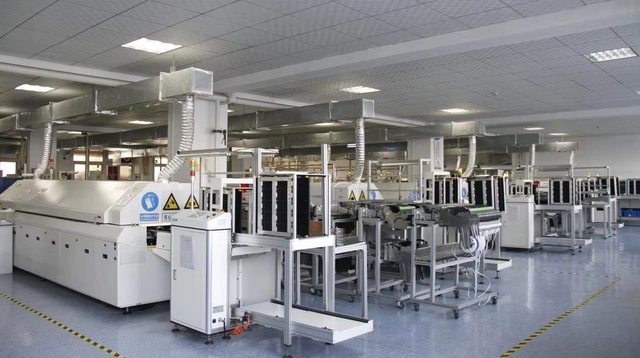
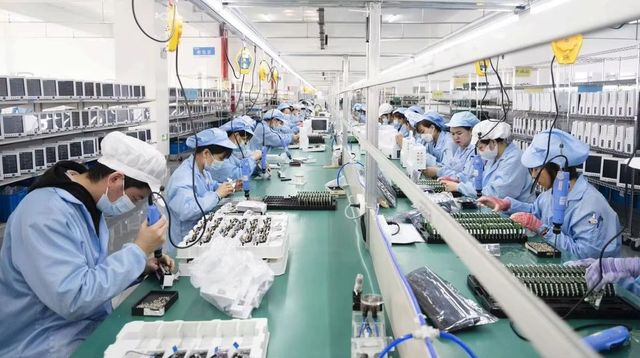
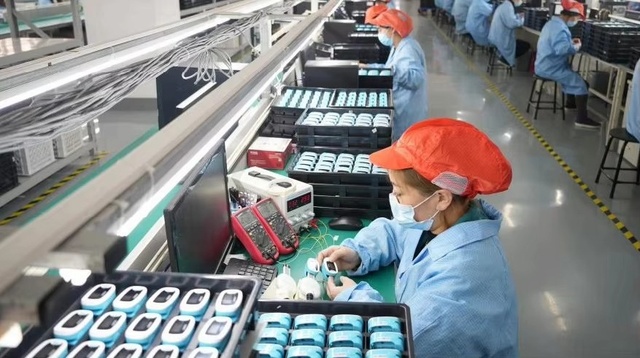
With advanced production facilities, precision manufacturing processes, and rigorous quality control systems, Ningbo FoysMed Solutions Co., Ltd. ensures consistent product performance and stable supply capabilities. The company also provides flexible OEM and ODM services, allowing clients to customize product specifications, materials, packaging, and branding to meet specific market demands.
Driven by innovation, quality, and customer satisfaction, FoysMed continues to expand its global presence. The company is dedicated to supporting healthcare providers with dependable medical equipment solutions that improve patient care, enhance rehabilitation outcomes, and contribute to a better quality of life worldwide.

Comprehensive logistical, regulatory, and engineering frameworks crafted for regional health tenders and private hospital networks.
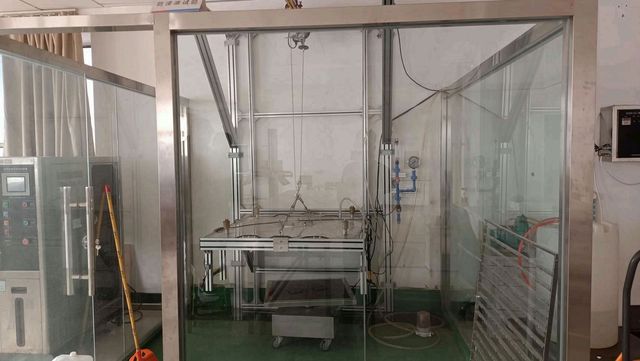
Every class of emergency device manufactured undergoes comprehensive clinical evaluation reports (CER), biocompatibility validation (ISO 10993), electrical safety verification (IEC 60601-1), and electromagnetic compatibility testing, ensuring rapid regulatory clearance across the European Union.
Hardware supports open API structures and HL7 / FHIR data transmission standards, enabling effortless integration with regional hospital electronic health records (EHR) and Campania's emergency fleet dispatch telemetry consoles.
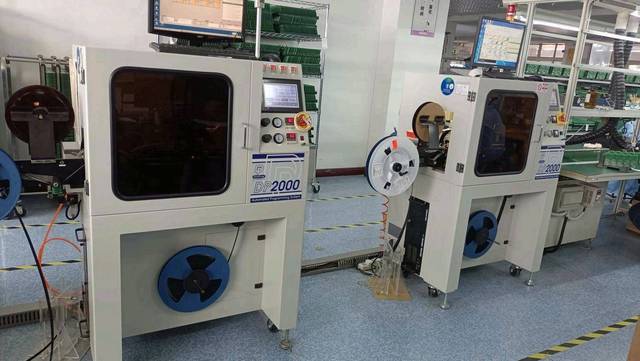
From custom circuit board firmware design to localized Italian multi-language UI, specialized housing colorways, customized battery topologies, and private labeling, our flexible supply lines offer turnkey manufacturing tailored to procurement specs.
Essential answers regarding regulatory documentation, lead times, customization, and export logistics.
All emergency life-support, ventilation, and electro-medical products comply with the European Medical Device Regulation (EU MDR 2017/745), backed by CE marking, ISO 13485 certified quality management systems, IEC 60601-1 electrical medical safety certification, and full technical documentation files ready for regional health authority audits.
We work directly with major international freight carriers to manage multimodal sea shipping into the Port of Naples (Porto di Napoli) as well as expedited air freight into Naples International Airport (Capodichino - NAP). We provide full export documentation including Declarations of Conformity, Commercial Invoices, Packing Lists, Certificates of Origin, and complete bill of lading consignments for rapid Italian customs clearance.
Yes. Our OEM/ODM engineering teams configure firmware, digital display interfaces, visual alarm prompts, and instructional screen manuals in native Italian, meeting both Italian national regulations and local operator requirements for healthcare professionals across Campania.
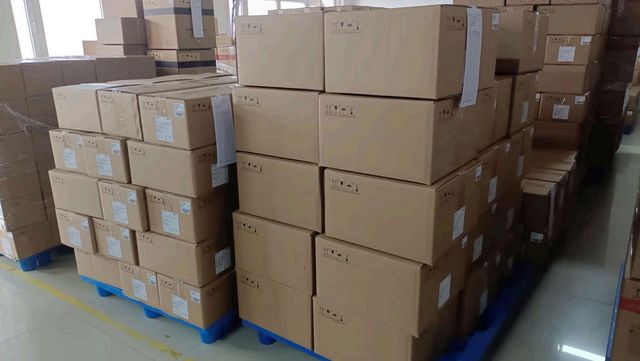
Standard lead times for high-precision critical care equipment generally range from 2 to 4 weeks depending on order volume and level of customization. Fast-track production lines are maintained for disaster relief, civil defense, or emergency tender allocations requiring urgent deployment.
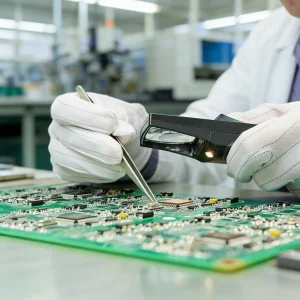
Our ISO 13485-certified facilities employ multi-stage automated optical inspection (AOI), rigorous environmental burn-in stress testing, simulated vibration transit assays, and individual device calibration against standard human breathing and hemodynamic simulators prior to boxing and dispatch.
Extensive critical care systems, electronic control units, mobile power solutions, and trauma care instruments engineered to world-class clinical standards.
From initial specification custom design to final container delivery to Naples and worldwide destination ports, our engineers deliver guaranteed ISO 13485 excellence.
Send Inquiry Now FoysMed Solutions