The global medical imaging market is undergoing a revolutionary shift, driven by the convergence of digital technology, artificial intelligence, and a growing emphasis on early diagnosis. As a pillar of modern clinical practice, imaging devices have transitioned from traditional 2D X-rays to sophisticated 4K endoscopic systems, automated cell morphology analyzers, and high-resolution genetic testing equipment. Today, medical imaging is no longer just about "seeing" inside the body; it is about providing actionable data that can predict patient outcomes with unprecedented accuracy.
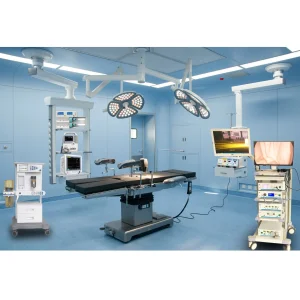
In the industrial and commercial sectors, demand is surging for portable and modular imaging solutions. Hospitals in developed regions are upgrading to Integrated Operating Rooms where imaging tables and fluorescent camera systems work in tandem. Meanwhile, emerging markets are seeking cost-effective yet durable diagnostic tools that can withstand high patient loads. As a leading China medical imaging devices manufacturer, we stand at the center of this supply chain, offering the perfect balance of technological innovation and manufacturing efficiency.
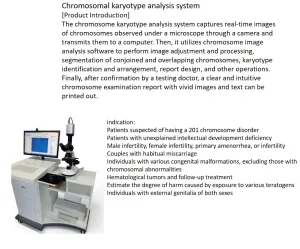
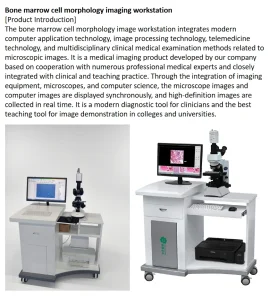
Automated karyotype analysis and cell morphology systems use AI to identify abnormalities in seconds, a task that previously took specialists hours of manual labor.
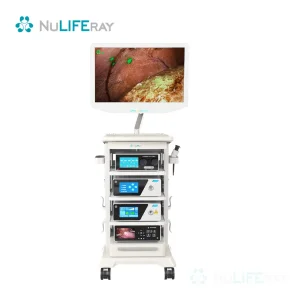
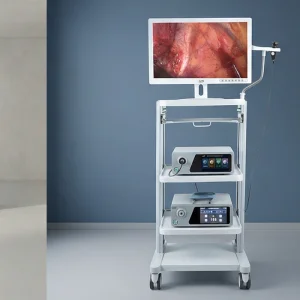
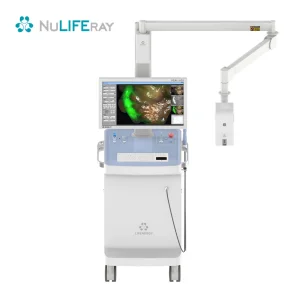
Next-generation endoscopy now utilizes 4K resolution and fluorescent imaging to distinguish between healthy tissue and tumors in real-time during surgery.
Cloud-based imaging storage and DICOM compatibility allow specialists to provide consultations across the globe, bridging the gap in healthcare accessibility.
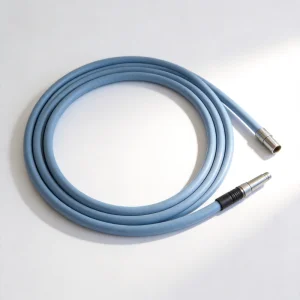
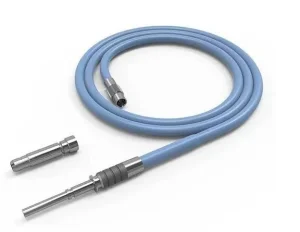
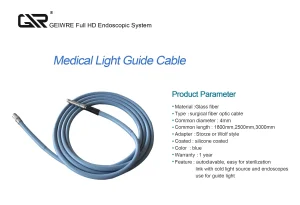
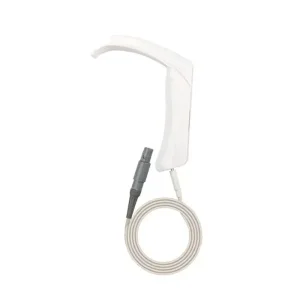
Global procurement teams in the healthcare sector are increasingly looking towards China suppliers for medical imaging accessories and core systems. The criteria for selection have evolved from purely "price-driven" to "quality-and-compliance-driven." Procurement managers now prioritize ISO 13485 certification, CE markings, and the ability to provide stable OEM/ODM services for specialized components like light guide cables and imaging tables.
High-resolution imaging for digital genetic testing and hematology diagnostics are essential for specialized oncology and fertility clinics.
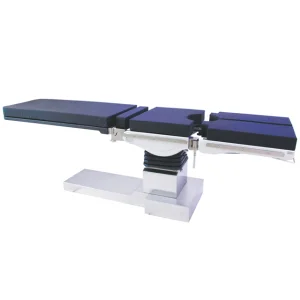
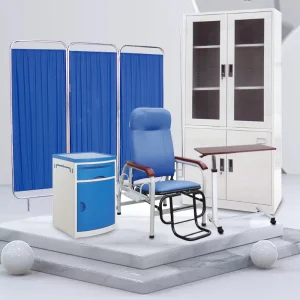
Electro-hydraulic imaging tables and 4K camera systems provide the ergonomic and visual support necessary for complex minimally invasive surgeries.
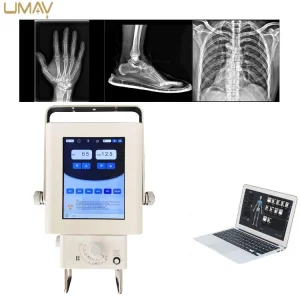
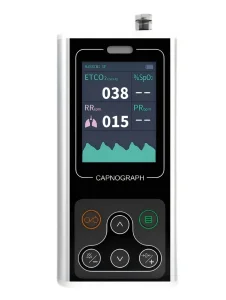
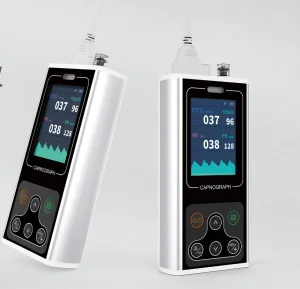
Portable X-ray machines and EtCO2 monitors are critical for rapid assessment and continuous monitoring in high-pressure environments.
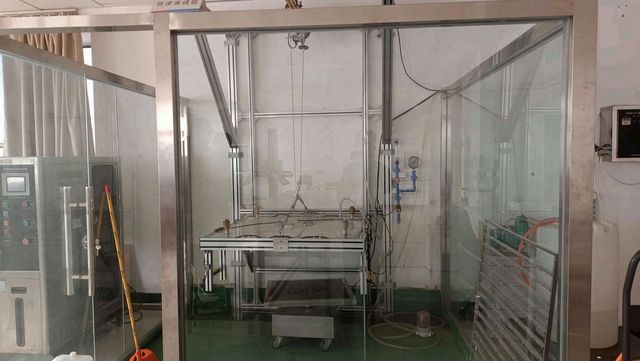
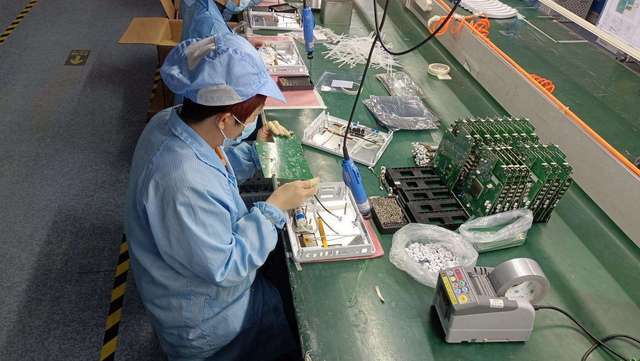
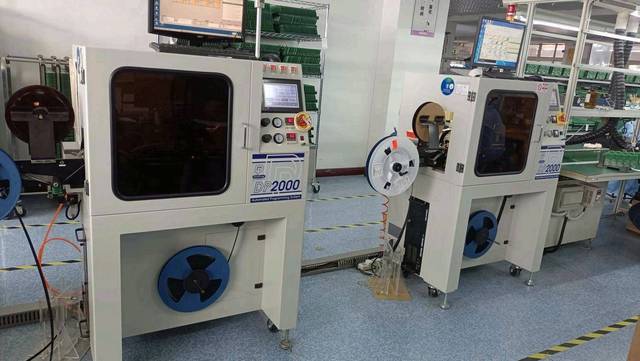
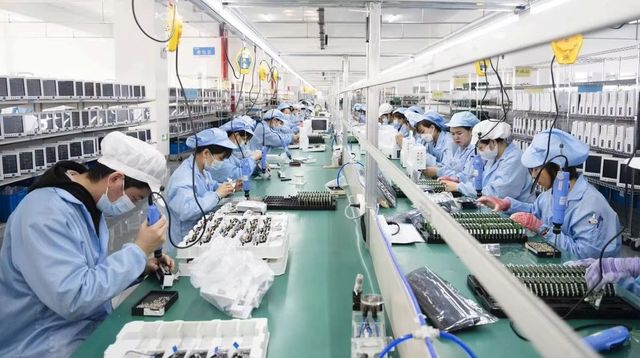
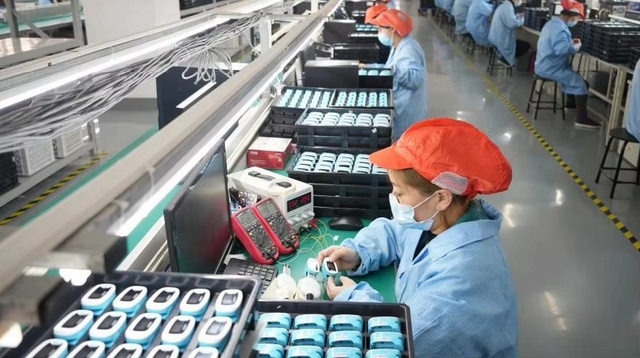
As a premier China medical imaging devices factory, Ningbo FoysMed Solutions Co., Ltd. provides more than just hardware; we provide comprehensive medical solutions. Our advantage lies in the integration of R&D with large-scale precision manufacturing. We understand that medical imaging requires absolute reliability, which is why every light cable and imaging system undergoes rigorous testing before dispatch.
Ningbo FoysMed Solutions Co., Ltd. is a professional medical equipment manufacturer specializing in high-end diagnostic imaging solutions, rehabilitation, and mobility products. As a trusted OEM supplier for the global healthcare market, we are committed to delivering high-quality, safe, and efficient medical products that support hospitals, clinics, and research laboratories worldwide.
Our comprehensive portfolio spans from 4K fluorescent endoscope camera systems and automated karyotype analysis equipment to specialized surgical imaging tables and accessories. Each device is engineered for precision, durability, and user comfort, ensuring it meets the rigorous demands of modern medical applications. With advanced production facilities and a dedicated team of engineers, we provide flexible OEM and ODM services, allowing our global partners to customize specifications and branding to capture specific market opportunities.
Driven by the core values of innovation, quality, and customer satisfaction, FoysMed continues to expand its footprint. We empower healthcare providers with dependable equipment that enhances diagnostic accuracy, improves rehabilitation outcomes, and ultimately contributes to a better quality of life for patients globally.

 FoysMed Solutions