FoysMed Solutions
1 / 5
Technical Theory:
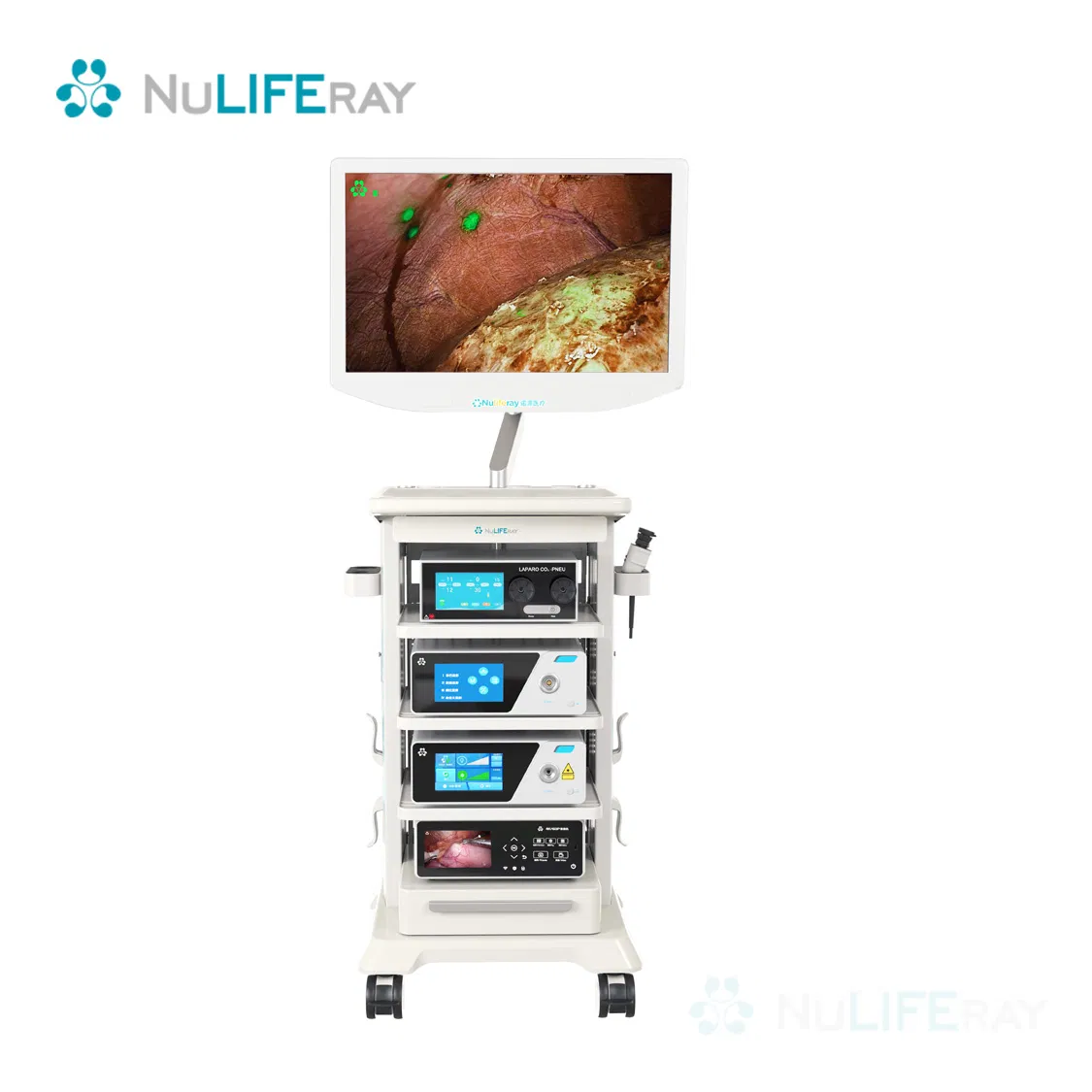
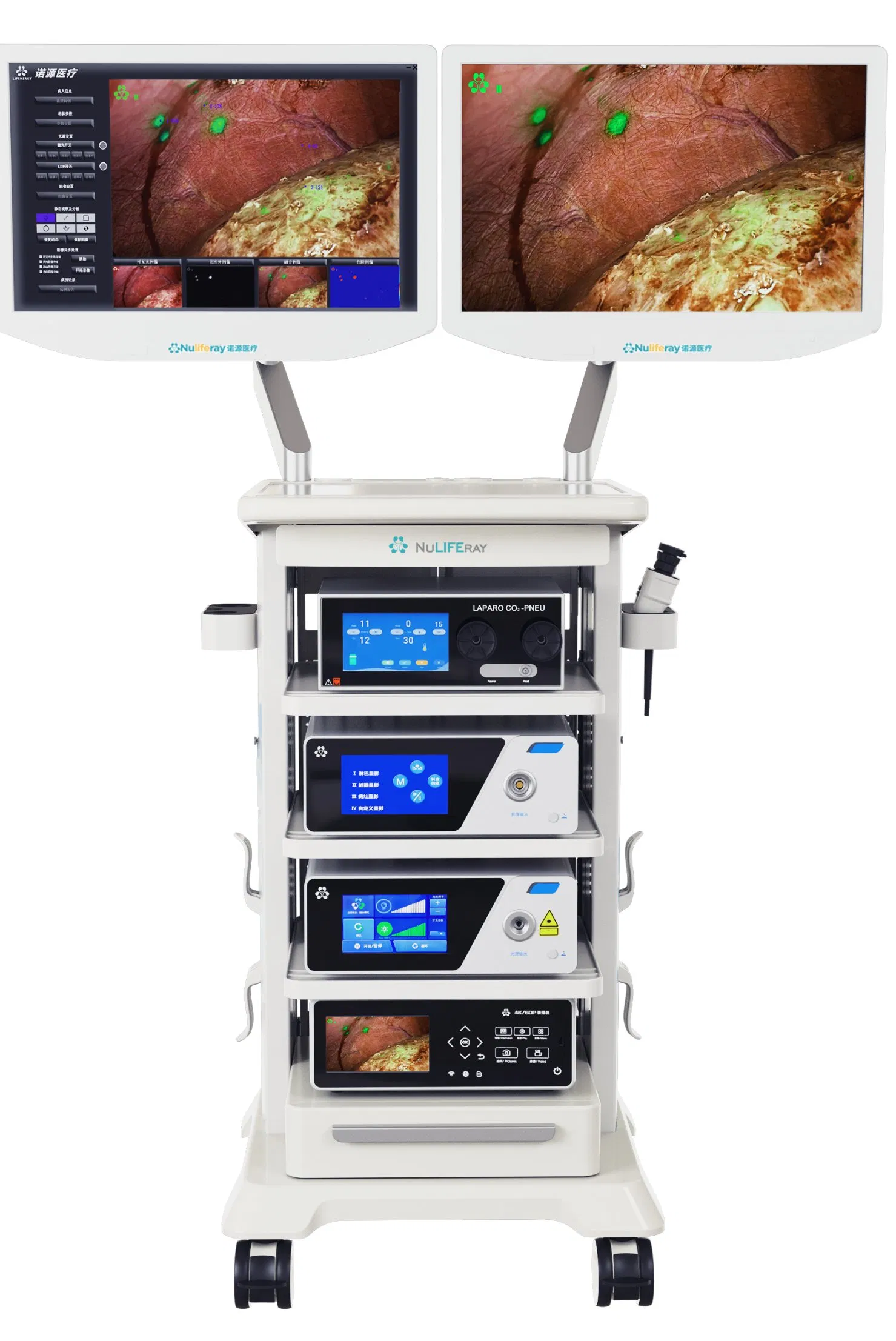
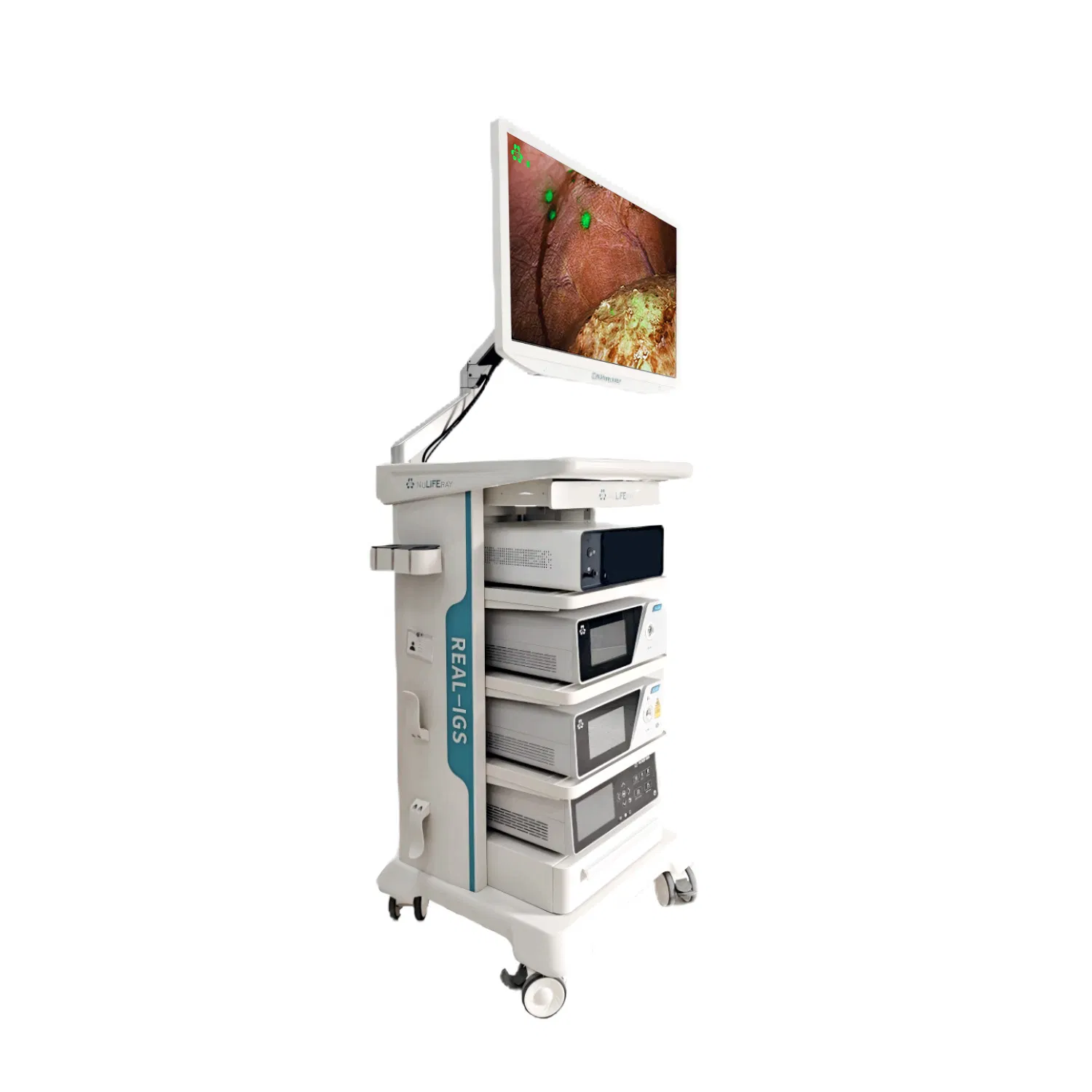
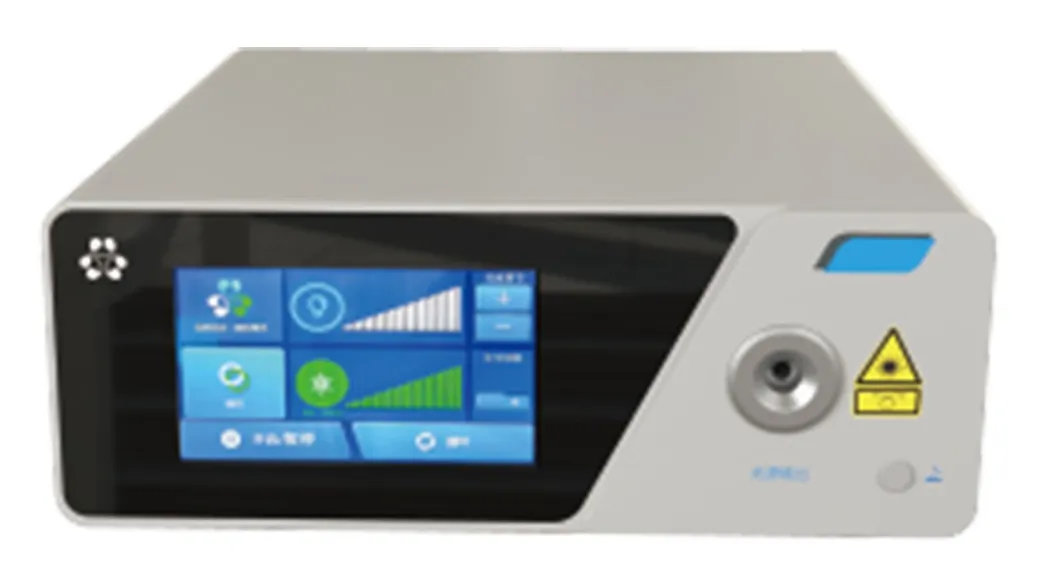
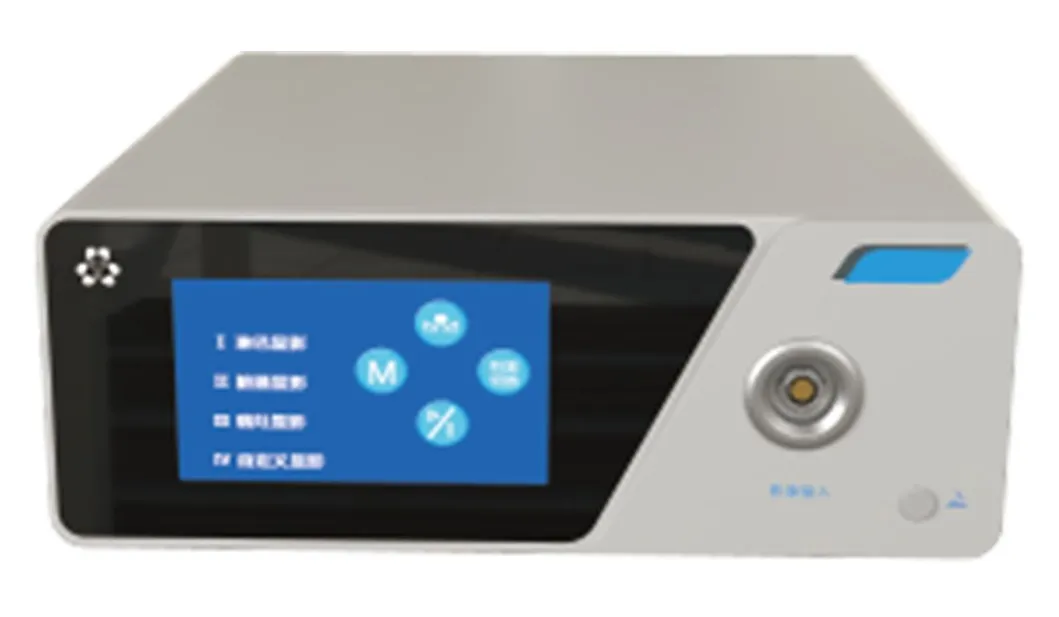
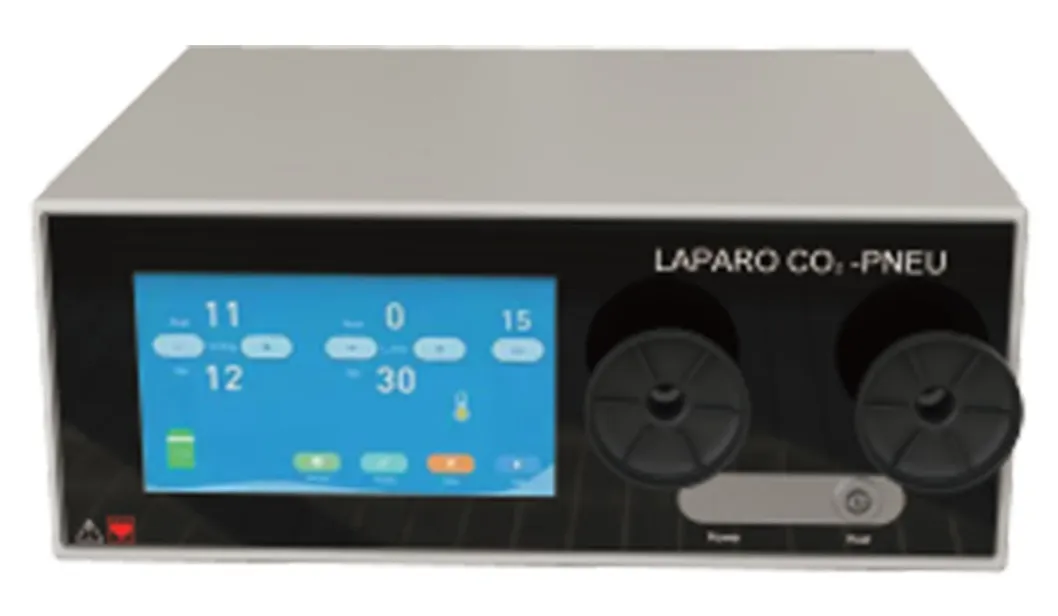
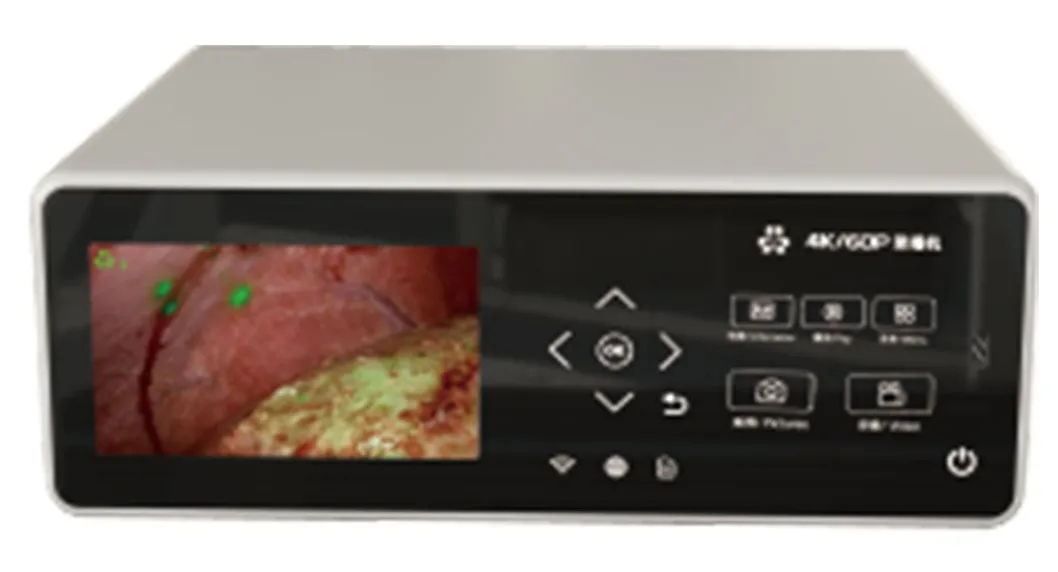
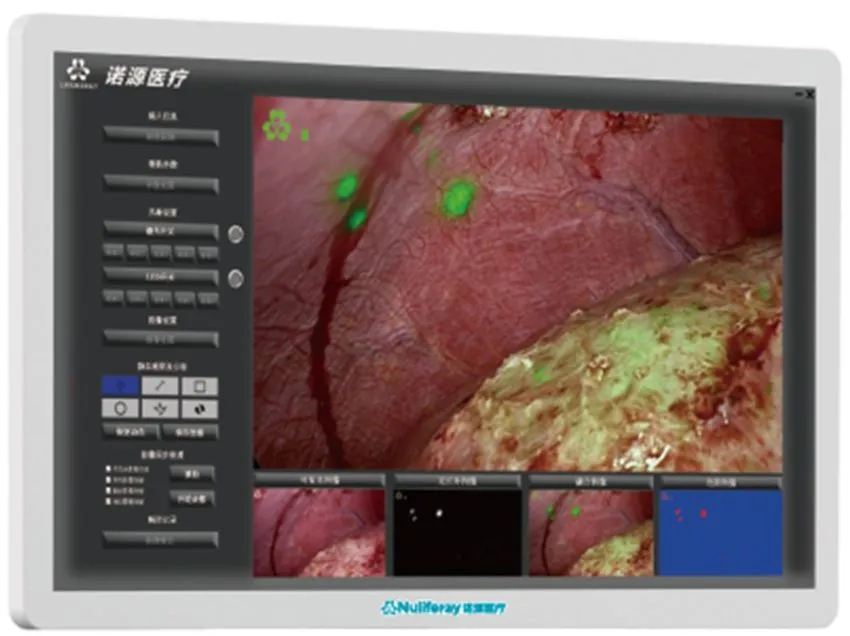
The 4K endoscopic fluorescence imaging system can not only be used as a 4K white light endoscope system to meet the clinical needs of various departments for ultra-high-definition endoscopes, but also can be used in combination with the ICG fluorescent tracer. It provides one-click selection of color images, black and white fluorescent images, color fluorescent images, and multiple images in minimally invasive endoscopic surgery.
The system is suitable for dynamic observation of lesions, anatomical structures, and blood flow and lymphatic flow. Its spatial resolution is significantly better than traditional imaging methods, allowing surgeons to observe lesions, blood flow (ischemic intestinal wall judgment, anastomotic blood flow), and lymphatic flow in real-time.
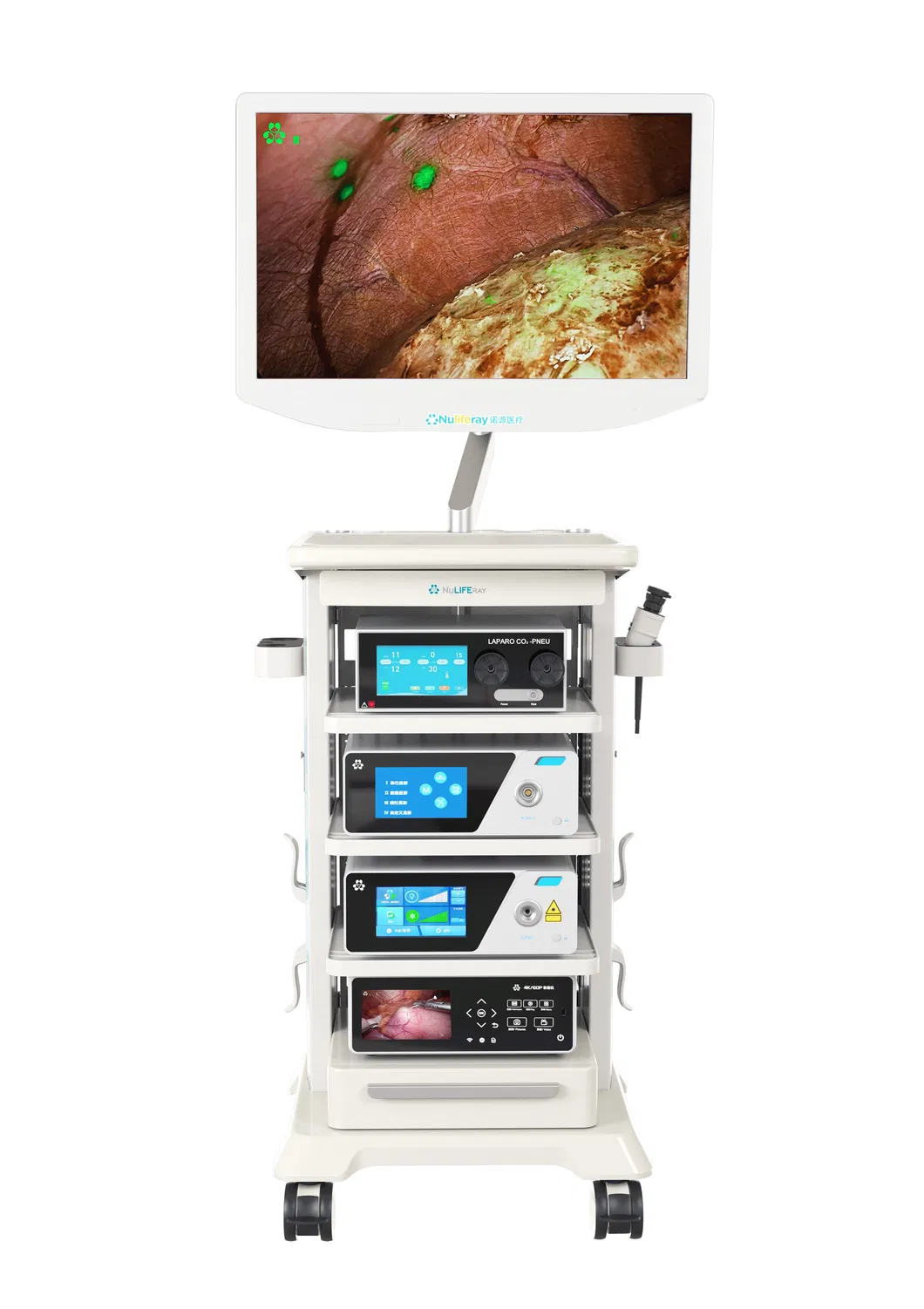
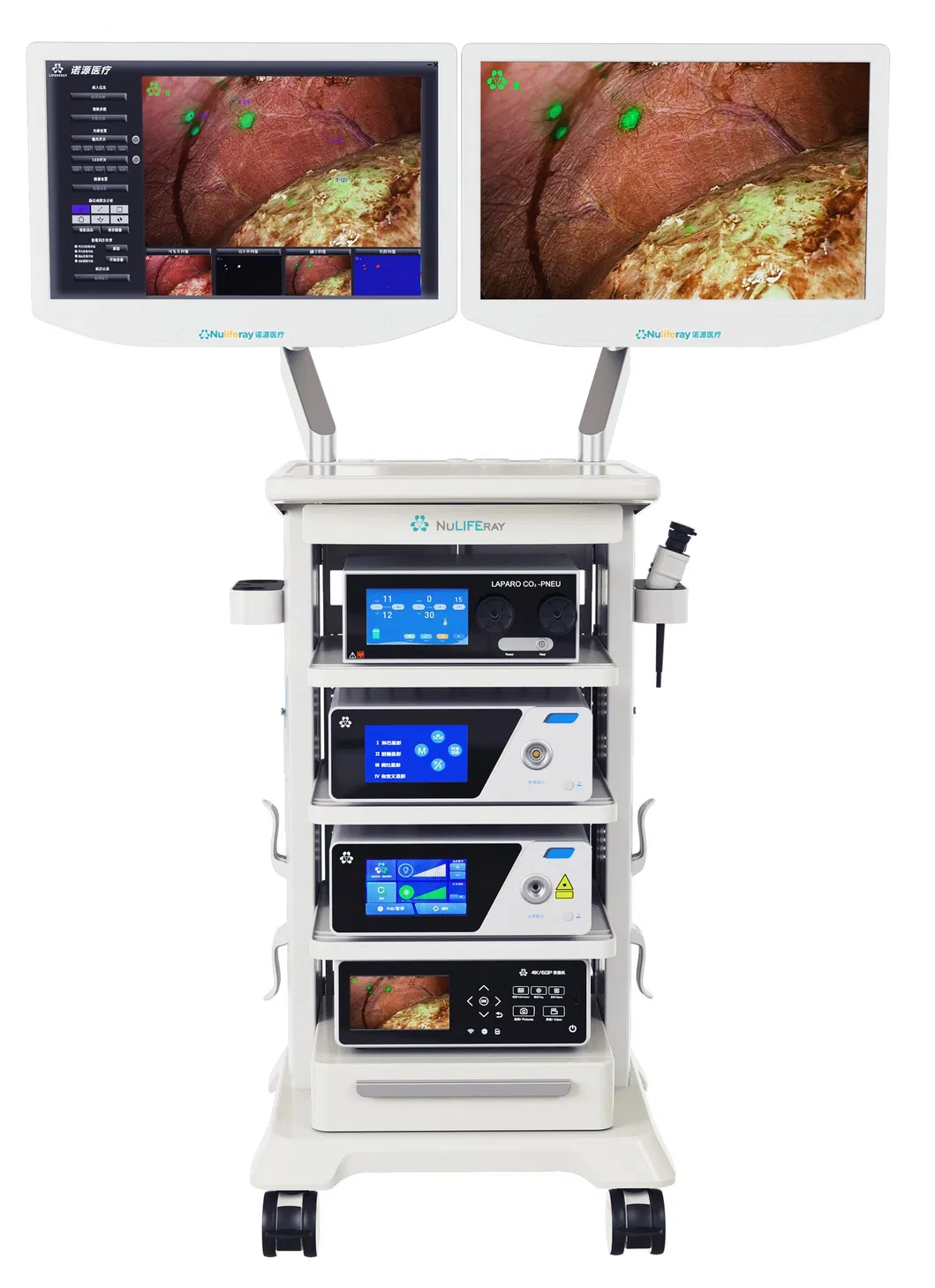
Model Specifications: FL1-20B, FL1-20C, FL1-20D, FL1-20E
| Laser source pulse width | N/A (continuous laser emission) |
| Chip structure | 4CMOS |
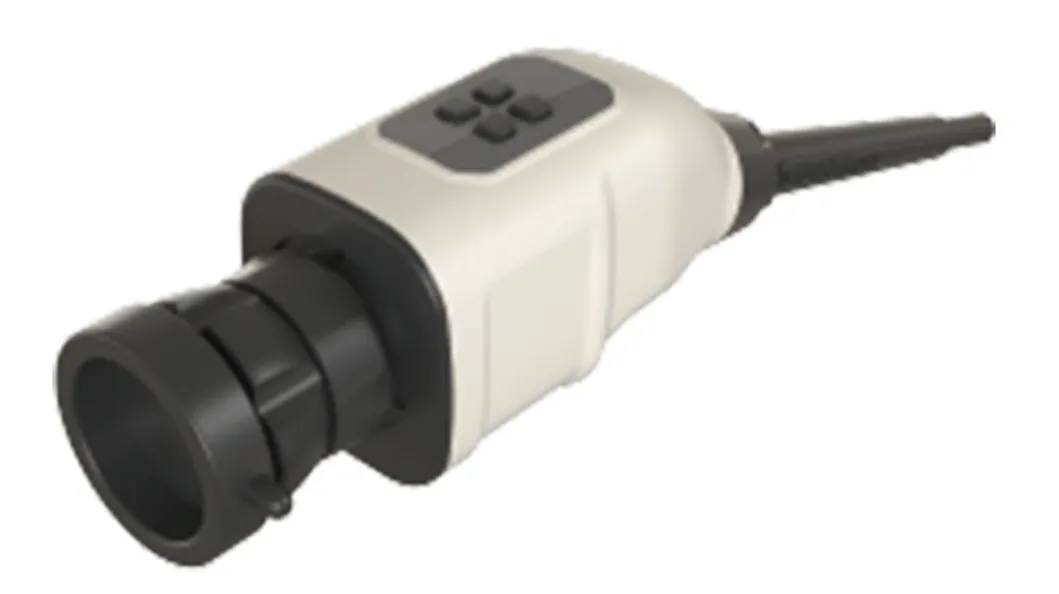
| Handle function keys | 4 remote control buttons |
| Optical adapter | Fixed focus/zoom |
| Monitor size | 32 inches and above |
| Monitor resolution | ≥3840×2160P/4096×2160P |
| Pixels and frame rate | ≥8.29 million pixels, 60 FPS |
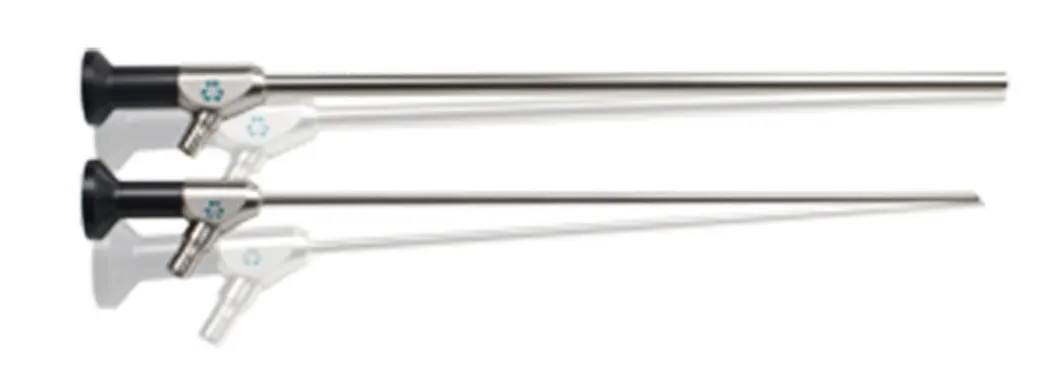
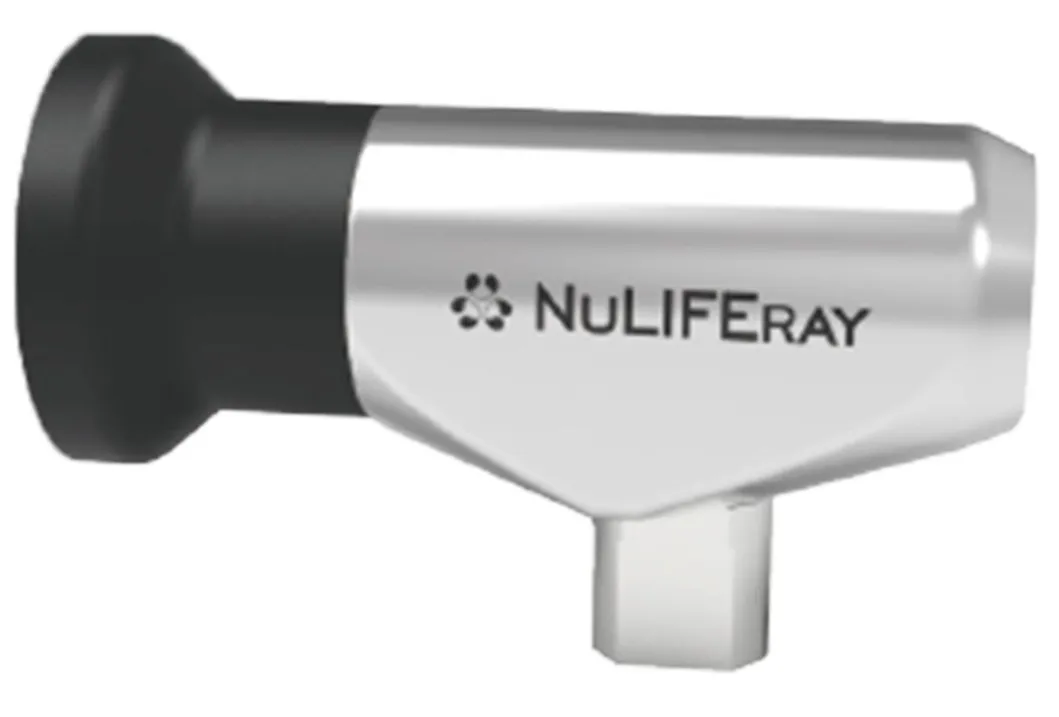
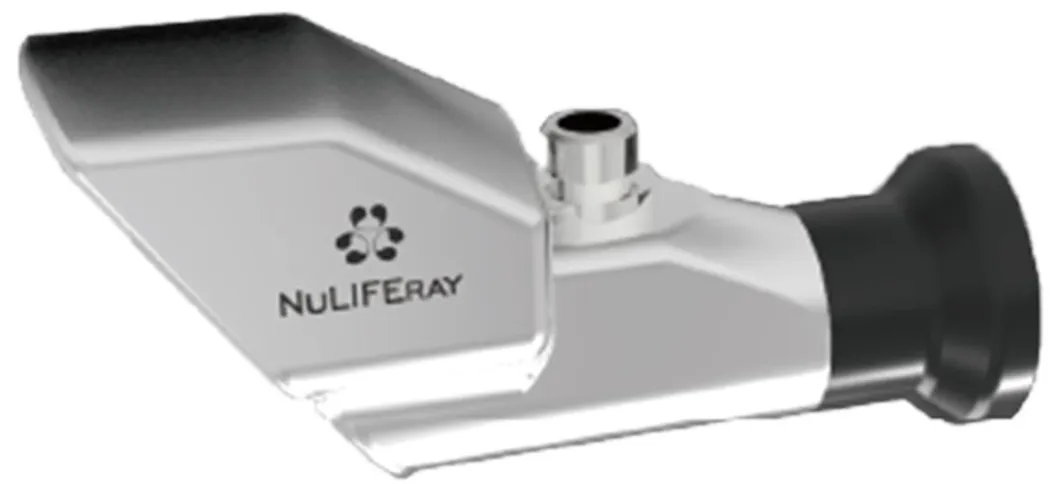
| Endoscope | 0° or 30° field of view, 5mm or 10mm |
Product Advantages:
Real-time imaging for liver cancer surgery, liver segment marking, and identification of complex biliary tracts.
Intraoperative localization of tumors, labeling of sentinel lymph nodes, and evaluation of anastomotic blood supply.
Locate and trace lymph nodes, mark inter-segmental borders, and evaluate blood flow for esophageal reconstruction.
Real-time identification of ureter and urethra, and exploration of pelvic and abdominal cavity metastases.
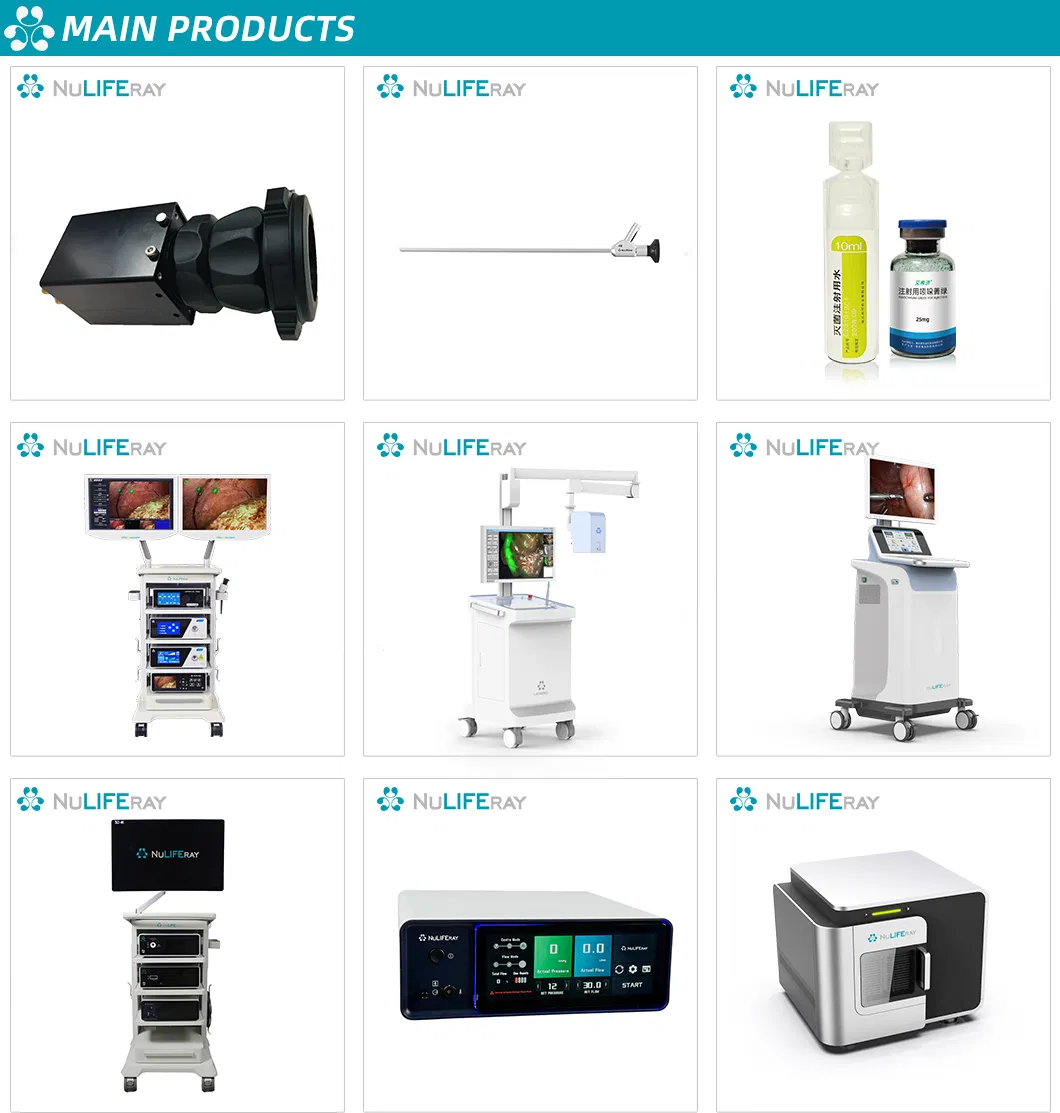
The product range includes fluorescence imaging series, contrast agent drugs (ICG), and core components such as CMOS camera modules and endoscopes, providing a full-chain solution.
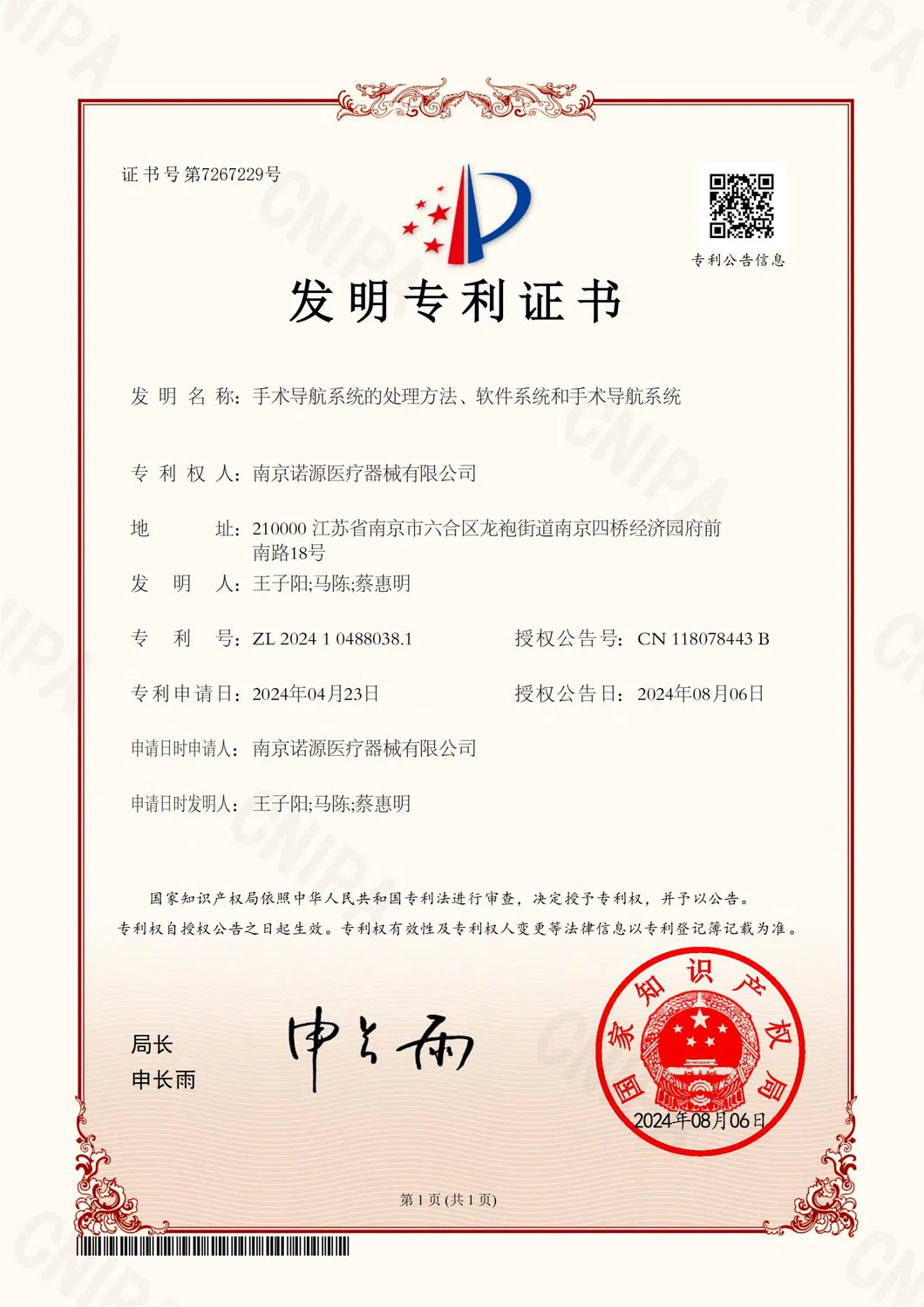
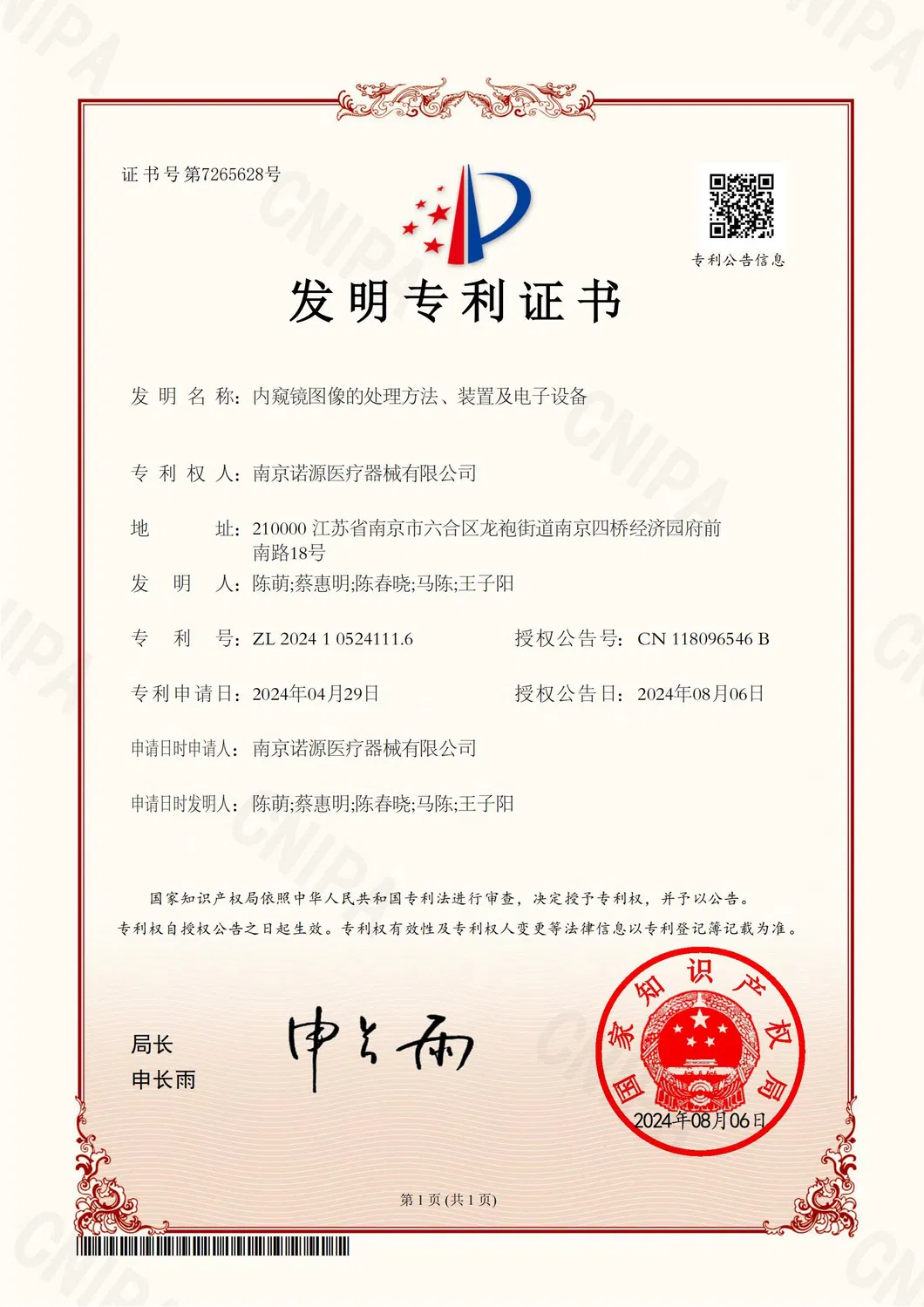
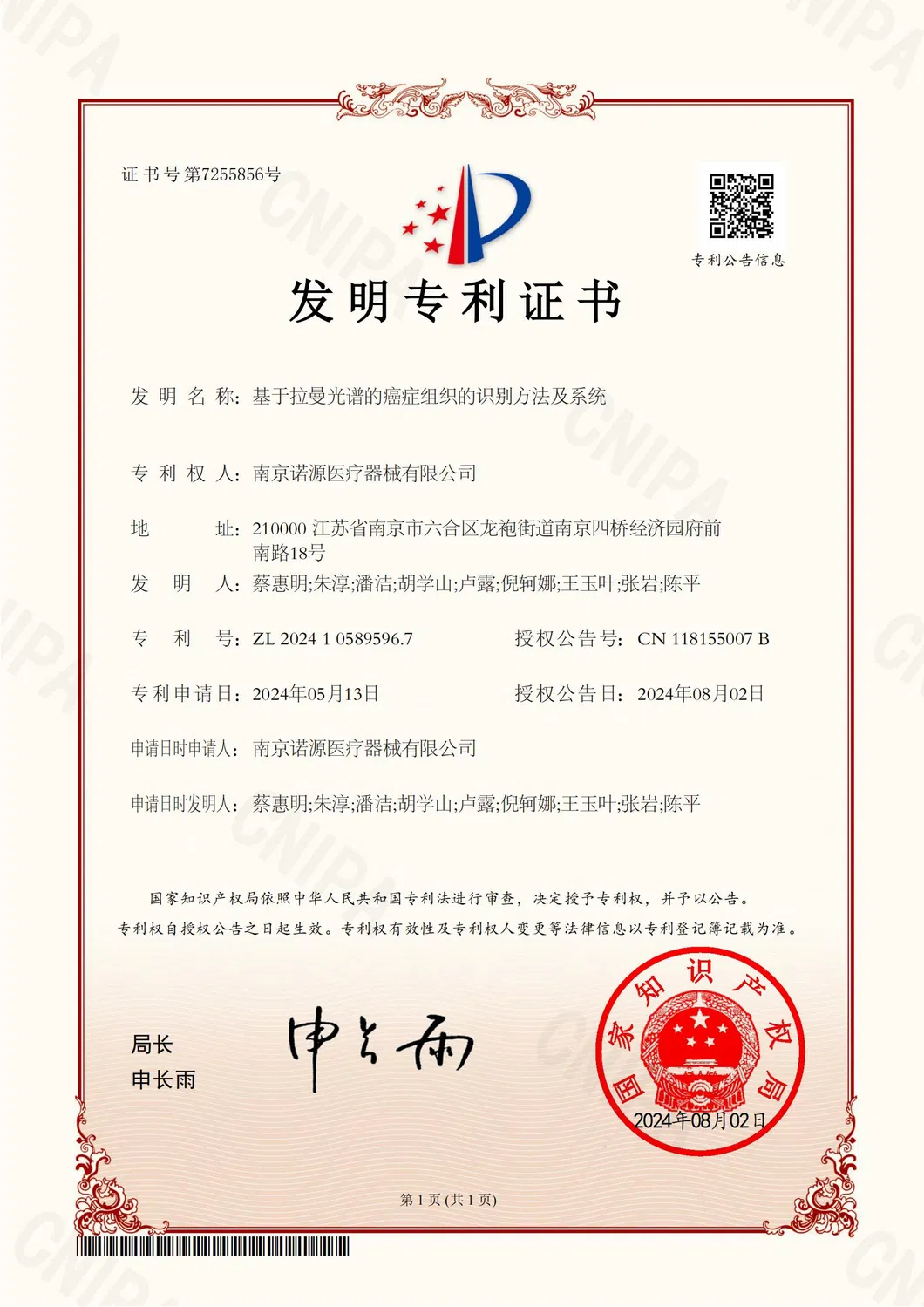
Holding 131 core invention patents and 7 US invention patents, undertaking numerous national and provincial key research projects.