High-precision rehabilitation and diagnostic instruments engineered for modern hospital networks and domestic outpatient care.
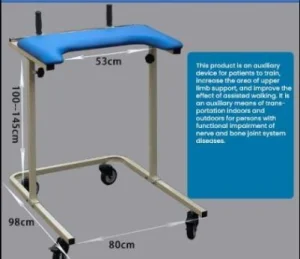
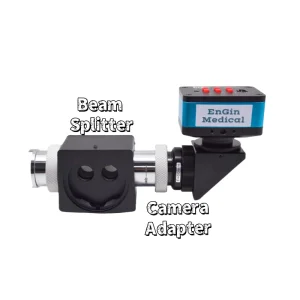
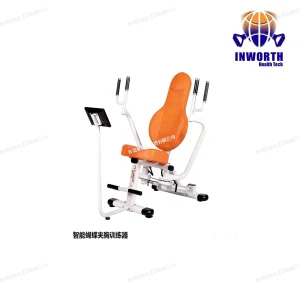
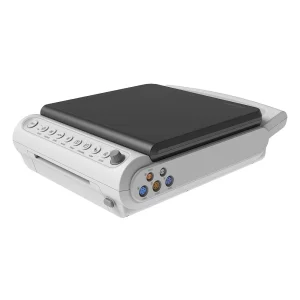
The global mobility support equipment market is undergoing a major demographic and technological shift. According to recent World Health Organization (WHO) studies, over 1 billion people worldwide require some form of assistive technology, with demand projected to double by 2050 due to an aging global population and a rising prevalence of non-communicable diseases. As a result, B2B procurement professionals, medical device distributors, and hospital operations managers are facing intense pressure to source equipment that balances durability, regulatory compliance (MDR/FDA), and cost efficiency.
Historically, European and North American buyers relied on highly localized, premium-priced medical device suppliers. However, supply chain disruptions, rising raw material costs (particularly medical-grade aluminum alloys and carbon fiber composites), and the need for rapid digital integration have redirected focus to specialized manufacturing hubs in Asia. Specifically, Chinese medical device clusters offer an integrated ecosystem where raw material procurement, engineering design, precision testing, and high-volume container freight are co-located.
"The shift toward outpatient care models and home-based physical rehabilitation is driving the demand for light, modular, and sensor-integrated ambulatory aids. Global distributors must prioritize suppliers with proven engineering competence, regulatory certifications, and stable production lines."
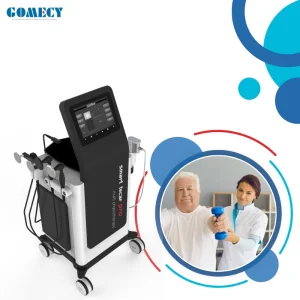
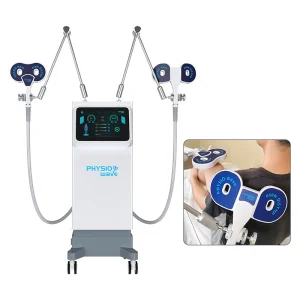
Furthermore, standard mobility equipment is no longer viewed as purely mechanical hardware. Modern clinical settings require integrated data points—such as sensor-embedded gait analysis, digital telemetry tracking on patient monitors, and specialized pain management tools. This convergence of mobility hardware with electro-physical therapy devices (such as Tecar therapy and shockwave systems) is redefining how rehabilitation clinics design their therapy programs.
Understanding how the world's leading medical cluster in Ningbo delivers high-performance rehabilitation equipment with unparalleled cost efficiency.
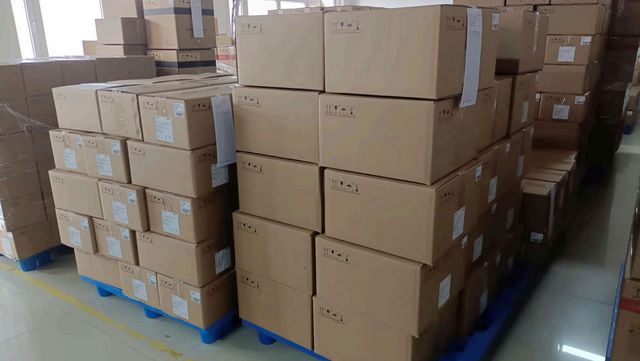
Situated in Ningbo, one of the world's busiest deep-water shipping hubs, our facilities leverage direct sea-freight links to minimize lead times, reduce container shipping costs, and streamline export customs clearances for our global buyers.
We provide full engineering support, custom structural design, rapid prototyping, and localized labeling compliance (such as FDA UDI and EU MDR CE markings) tailored to your target distribution channels.
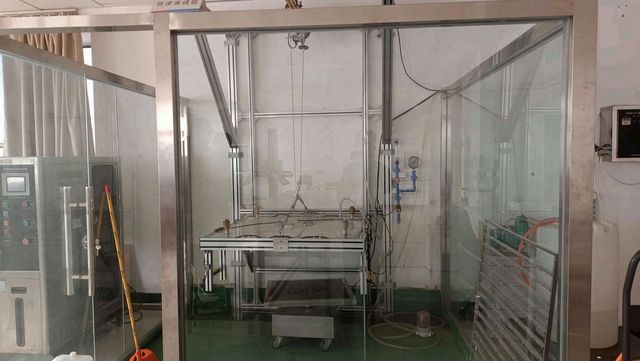
Each production batch undergoes multi-tiered inspections, from raw material spectrometry (verifying steel and alloy purity) to load-bearing structural fatigue testing, ensuring compliance with international ISO 13485 standards.
Ningbo FoysMed Solutions Co., Ltd. is a professional medical equipment manufacturer specializing in rehabilitation and mobility solutions, as well as a reliable OEM supplier for global healthcare markets. The company is committed to delivering high-quality, safe, and efficient medical products that support hospitals, clinics, rehabilitation centers, and home care environments.
FoysMed offers a comprehensive range of products, including electric wheelchairs, mobility aids, rehabilitation consumables, wound care products, surgical instruments, and general medical devices. Each product is designed and manufactured in compliance with strict international quality standards, ensuring reliability, durability, and user comfort in a wide variety of medical applications.
With advanced production facilities, precision manufacturing processes, and rigorous quality control systems, Ningbo FoysMed Solutions Co., Ltd. ensures consistent product performance and stable supply capabilities. The company also provides flexible OEM and ODM services, allowing clients to customize product specifications, materials, packaging, and branding to meet specific market demands.
Driven by innovation, quality, and customer satisfaction, FoysMed continues to expand its global presence. The company is dedicated to supporting healthcare providers with dependable medical equipment solutions that improve patient care, enhance rehabilitation outcomes, and contribute to a better quality of life worldwide.
Different clinical and home settings have distinct, demanding requirements for equipment configurations. Below is an overview of how specific mobility and therapy systems are applied in various environments:
| Environment | Critical Equipment Demands | Key Product Applications | Clinical Rationale |
|---|---|---|---|
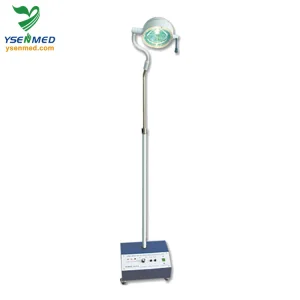
| Level 1 Trauma & Post-Surgical Wards | Early mobilization, secure patient transfers, cross-infection controls, high durability. | Gait Trainers, Surgical Lamps, Medical Consumables. | Early post-operative walking lowers the risk of deep vein thrombosis (DVT) and speeds up hospital discharge. |
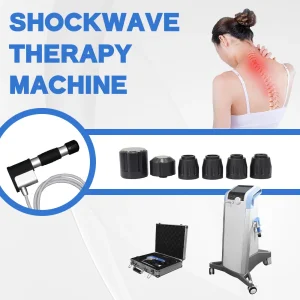
| Sports Medicine & Physiotherapy Clinics | Rapid pain relief, non-invasive tendon rehabilitation, soft tissue repair. | Tecar Therapy Devices, Focused Shockwave Systems. | High-frequency electromagnetic and acoustic energy stimulates cellular metabolism and accelerates tissue regeneration. |
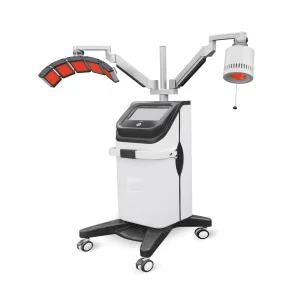
| Homecare & Assisted Living Facilities | Compact footprints, intuitive controls, ergonomic low-impact training. | Air Walkers, LED Phototherapy Units, Portable Gait Assist Devices. | Maintains cardiovascular health and mobility for seniors without causing joint fatigue or high-impact microtrauma. |
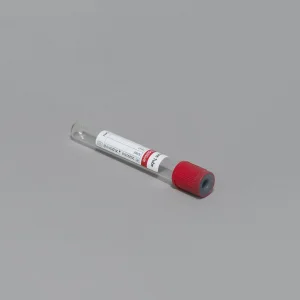
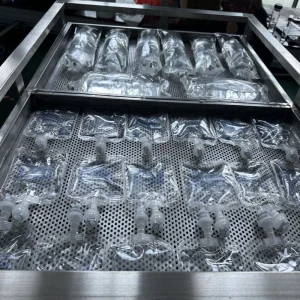
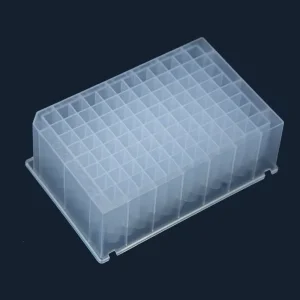
| Clinical Laboratories & Sterile Processing | Pathogen elimination, biological specimen stability, chemical resistance. | Sterilizer Machines, PCR 96 Deep Well Plates, Vacuum Blood Tubes. | Secures diagnostic accuracy and maintains aseptic conditions during high-throughput analysis. |
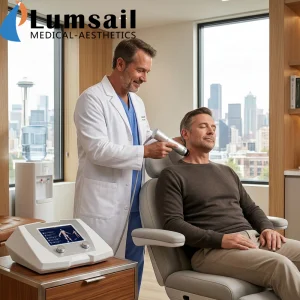
In modern physical therapy, mobility training is closely linked with direct tissue stimulation. For example, a patient undergoing gait training for post-stroke recovery will experience muscle stiffness and localized joint pain. By integrating Tecar Therapy and Focused Shockwave Systems before or after exercise, therapists can reduce muscle tone, manage pain, and increase local blood circulation. This combination improves the range of motion and helps patients progress faster through their rehabilitation protocols.
To maintain long-term market relevance, B2B buyers and product managers must align their portfolios with key macro trends shaping the next decade of medical supply manufacturing:
Modern medical devices are moving away from stand-alone hardware. Equipment like patient monitors with Etco2 monitoring and gait training platforms are increasingly integrated with Bluetooth, Wi-Fi, and cloud-based EHR (Electronic Health Record) systems. This allows clinical staff to track patient recovery metrics in real-time, optimize therapeutic protocols remotely, and implement predictive maintenance schedules for hardware fleets.
Heavy steel structures are being replaced by lightweight carbon fiber composites and high-strength, medical-grade aluminum alloys. These materials reduce the overall weight of ambulatory equipment, making them easier to transport and maneuver, while maintaining structural integrity and high load capacities.
Global regulatory bodies are enforcing stricter standards for medical products. The transition from MDD to MDR in Europe requires comprehensive clinical data and traceabilities even for Class I and Class II devices. Manufacturers must maintain up-to-date documentation, biocompatibility reports, and clear quality tracking records to ensure seamless customs clearance and commercial sales.
When selecting a manufacturing partner for mobility and rehabilitation equipment, professional procurement managers should use a structured evaluation matrix that balances direct manufacturing costs with long-term quality and logistics reliability:
Ensure the manufacturer has ISO 13485 certification, CE markings, and FDA listings for the target country. Ask to review the Technical File and clinical trial records for electro-therapy equipment.
Verify that critical components (such as linear actuators in gait trainers, laser diodes in beauty lasers, or sensors in ETCO2 monitors) come from recognized, certified suppliers to ensure consistent performance.
Review production capacity, cleanroom environments (essential for sterile blood collection tubes and diagnostic plates), and the manufacturer's internal QC testing steps.
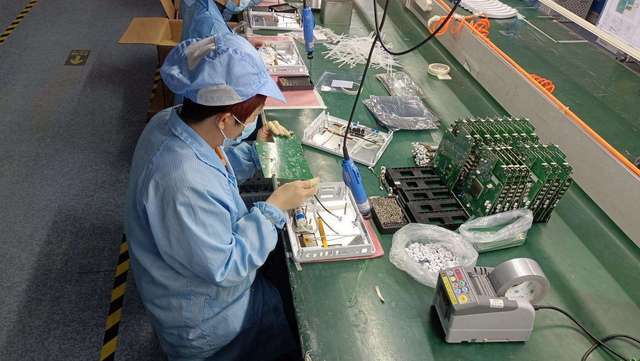
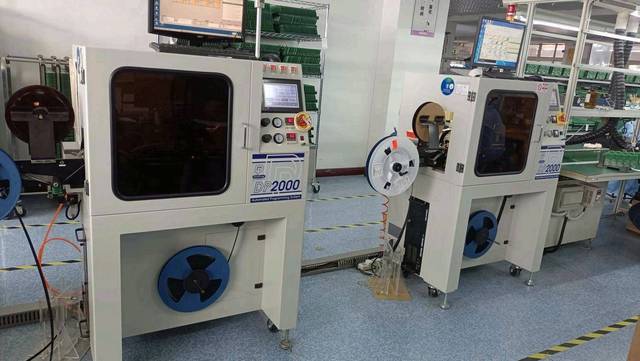
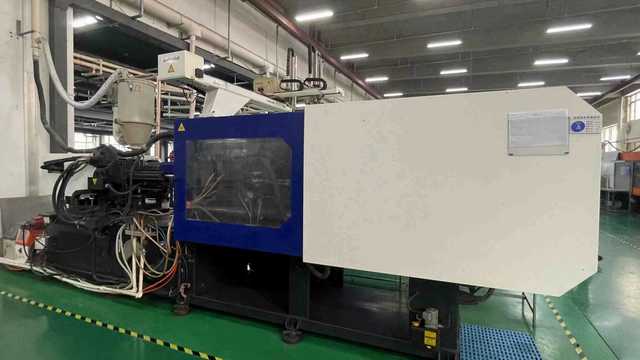
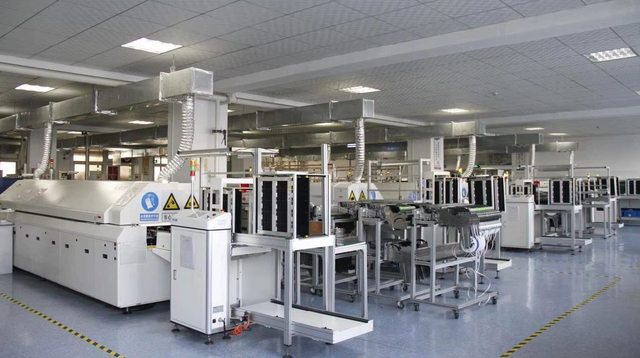
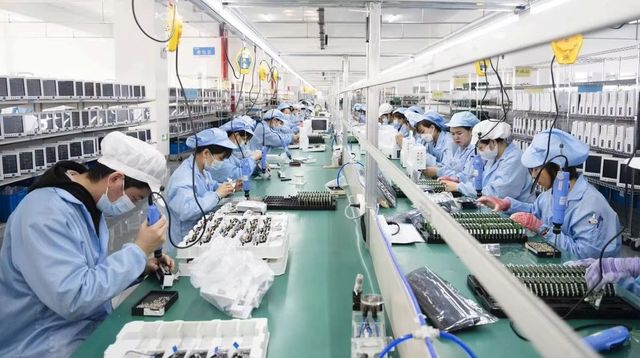
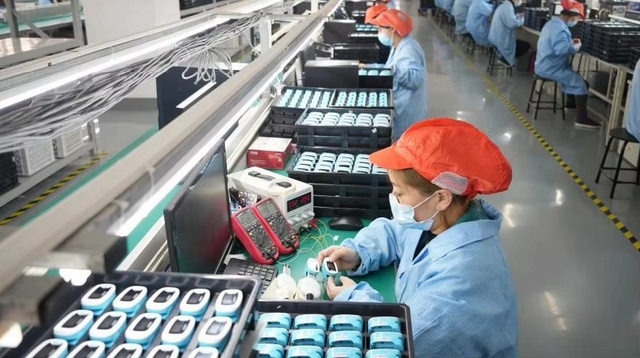
Ningbo FoysMed Solutions Co., Ltd. operates with precision assembly lines and quality control processes to ensure compliance with global standards.

Answers to common questions from B2B buyers, clinical distributors, and procurement managers.
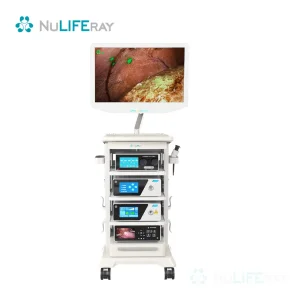
Standard lead times for OEM/ODM products average between 30 and 45 days, depending on product complexity and ordering volume. Simple clinical consumables or standard parts may ship faster, whereas high-end therapeutic electronics (such as Tecar therapy units or endoscopic imaging hardware) require detailed component assembly, functional testing, and strict quality verification.
All our products are manufactured under strict ISO 13485-certified quality management systems. In addition, our devices carry CE marks or US FDA registrations, depending on the product class. We provide complete technical documentation, biocompatibility test results, electrical safety certification (IEC 60601-1), and clinical trial performance data to support local registration processes.
Our gait trainers and walking aids use high-grade 6061-T6 and 7075-T6 aluminum alloys, as well as selected carbon fiber composites. These materials ensure high tensile strength and light weight, allowing for smooth operation and ease of movement in clinical and home environments.
Yes, we offer comprehensive OEM and ODM branding options. This includes custom laser-engraved logos, specialized paint finishes, personalized product packaging, user manual translation, and customized firmware interfaces for electro-therapy and patient monitoring devices.
We offer a comprehensive warranty program, remote technical troubleshooting, and online training videos for clinical technicians. We also maintain a stock of critical spare parts at our logistics hubs to ensure prompt replacements and minimize equipment downtime in hospitals and clinics.
Yes, we assist our B2B customers in consolidating orders. Since our product line covers rehabilitation systems, diagnostics, laboratory supplies, and wound care consumables, we can pack and ship diverse orders in consolidated containers. This helps reduce customs documentation fees and ocean freight costs.
High-throughput medical supplies and advanced diagnostic equipment designed for laboratories, specialized clinics, and clinical environments.
 FoysMed Solutions