Explore our premier collection of medical automation equipment and smart clinical devices engineered to exceed standard global regulatory benchmarks.
The global medical automation market is experiencing a period of unprecedented expansion, driven by clinical labor shortages, shifting demographics, and the necessity to minimize operational errors in high-pressure healthcare settings. According to recent B2B market indicators, the sector is growing at a CAGR of 9.8%, with smart automation tools leading the charge. Hospitals, clinics, and long-term care facilities are aggressively upgrading from manual instruments to integrated cyber-physical medical devices.
Historically concentrated in diagnostics and laboratory processes, automation has transitioned directly into clinical treatment and physical rehabilitation systems. Today, procurement officers in Europe, North America, and the Asia-Pacific region prioritize manufacturers who offer ISO 13485 compliant processes, highly integrated IoT capabilities, and reliable global distribution channels. The modern industry relies heavily on factories that act as collaborative OEM/ODM partners, providing customizable blueprints for specialized regional compliance.
From the perspective of advanced healthcare procurement, medical device automation is no longer a luxury—it is the baseline for operational survivability. Key market trends shape the current demand curve:
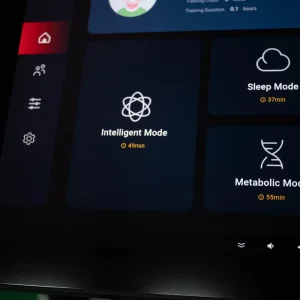
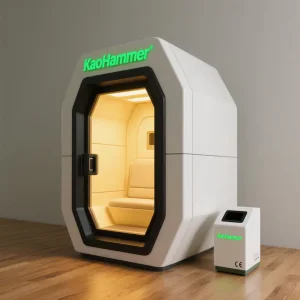
Modern equipment like the Intermittent Hypoxic Hyperoxic Training Device must communicate seamlessly with Hospital Information Systems (HIS) and Electronic Medical Records (EMR) via HL7 protocols. Automated logging of patient oxygen levels and recovery metrics reduces the burden on nurses and physiotherapists.
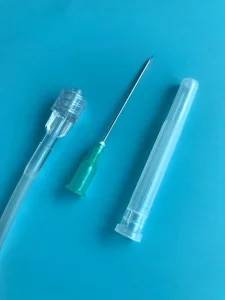
Global suppliers face stricter regulations concerning single-use products. High-volume consumables, such as Disposable IV Sets, are being reformulated with eco-conscious plasticizers and toxic-free polymers without sacrificing clinical safety or mechanical integrity.
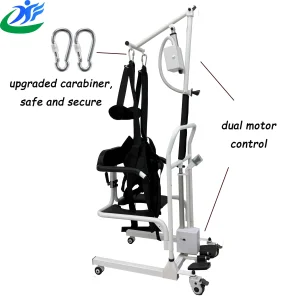
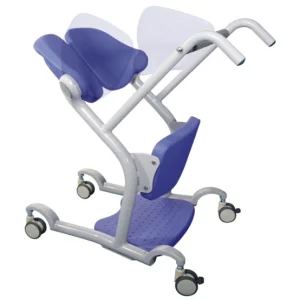
As patient handling causes a high percentage of healthcare worker injuries, automated physical transfer systems—including Hydraulic Lift Transfer Chairs and Mobility Stand Aids—are moving toward sensor-based collision avoidance and power-assist technology.
How medical automation factories translate research into scalable clinical applications.
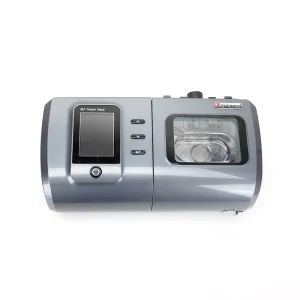
Integration of sensor matrices on standard rehabilitation equipment. Real-time patient biofeedback determines automatic pressure adjustments, flow rates, and active safety shutoffs in oxygen therapy chambers and CPAP/BiPAP systems.
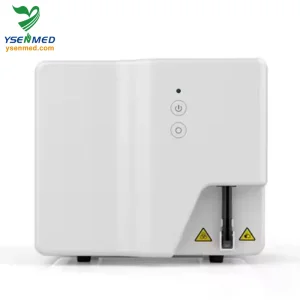
Miniaturization and microfluidic automation in cytometers and hematology analyzers. Transitioning complex lab protocols into automated cartridge systems that deliver results at the patient’s bedside within minutes.
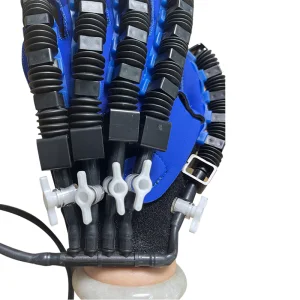
Deploying smart hand rehabilitation devices that utilize machine learning models to adjust resistance levels dynamically based on active neural recovery tracking. Fully autonomous patient transfers with safety-locked spatial awareness.
The utility of automated medical tools depends heavily on target environments. Below are the primary deployment strategies used by procurement managers across multiple sectors:
Utilizing advanced EWOT (Exercise with Oxygen Therapy) setups and hyperbaric oxygen chambers to accelerate athletic recovery, treat neurological injuries, and enhance geriatric conditioning programs under precise physiological monitoring.
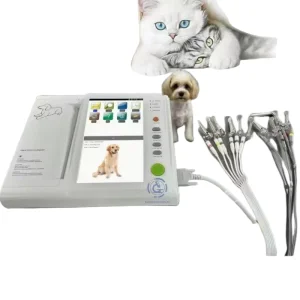
Deploying 12-lead veterinary echo devices to offer high-throughput pet health screening. Automation in processing and raw data optimization allows smaller clinics to offer complex cardiac screening without dedicated cardiologists.
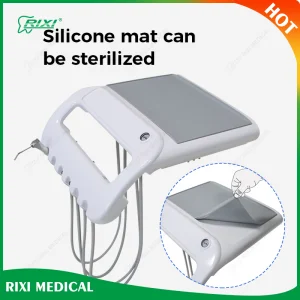
Leveraging pre-fabricated stainless steel molar crowns and advanced patient treatment chairs to streamline patient throughput. Standardized sizes and mechanical ergonomics minimize total chair-time per patient by 35%.
Deploying automated respiratory aids (BiPAP/CPAP) and lightweight hydraulic transfer aids to empower family caregivers. This ensures patient safety while reducing the physical strain of routine mobility maneuvers.
Ningbo FoysMed Solutions Co., Ltd. is a professional medical equipment manufacturer specializing in rehabilitation and mobility solutions, as well as a reliable OEM supplier for global healthcare markets. The company is committed to delivering high-quality, safe, and efficient medical products that support hospitals, clinics, rehabilitation centers, and home care environments.
FoysMed offers a comprehensive range of products, including electric wheelchairs, mobility aids, rehabilitation consumables, wound care products, surgical instruments, and general medical devices. Each product is designed and manufactured in compliance with strict international quality standards, ensuring reliability, durability, and user comfort in a wide variety of medical applications.
With advanced production facilities, precision manufacturing processes, and rigorous quality control systems, Ningbo FoysMed Solutions Co., Ltd. ensures consistent product performance and stable supply capabilities. The company also provides flexible OEM and ODM services, allowing clients to customize product specifications, materials, packaging, and branding to meet specific market demands.
Driven by innovation, quality, and customer satisfaction, FoysMed continues to expand its global presence. The company is dedicated to supporting healthcare providers with dependable medical equipment solutions that improve patient care, enhance rehabilitation outcomes, and contribute to a better quality of life worldwide.
Premium industrial solutions designed for heavy-duty hospital environments and custom clinical configurations.
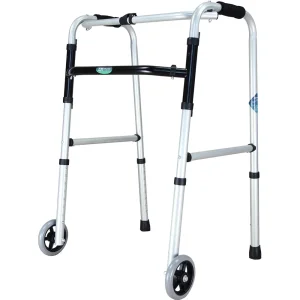
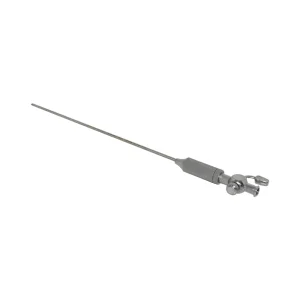

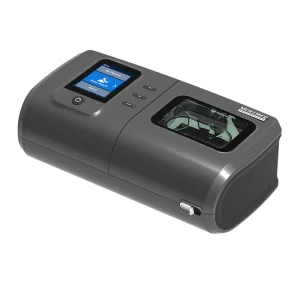
When sourcing medical automation tools at a container-load scale, the initial quote is only one component of the selection framework. Professional buyers must conduct an extensive risk assessment focusing on three main areas:
Through our dedicated QC and design teams at Ningbo FoysMed Solutions, we maintain vertical control over every step of the supply chain—from raw aluminum extrusions for mobile walkers to sensitive micro-valves in high-pressure pneumoperitoneum pipelines.
Answers to critical questions regarding technical compliance, OEM capabilities, and delivery logistics.
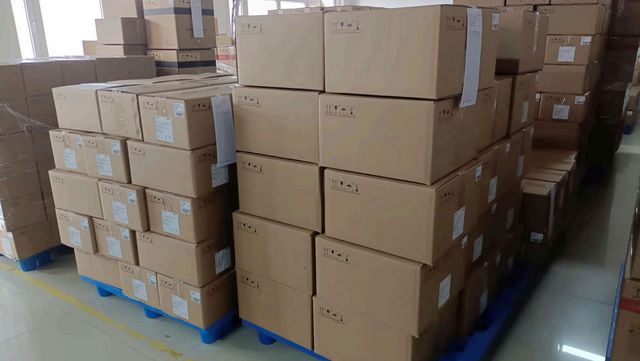
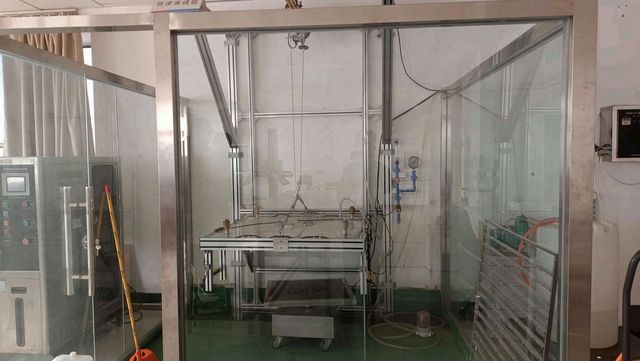
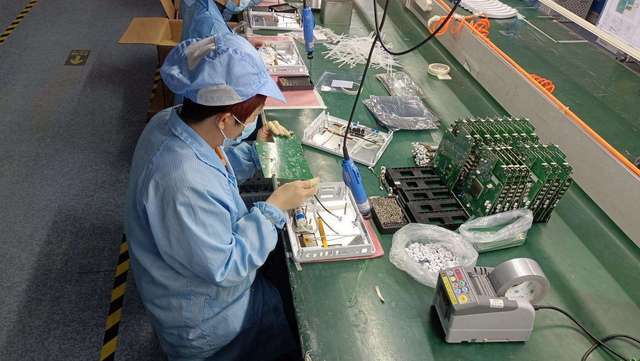
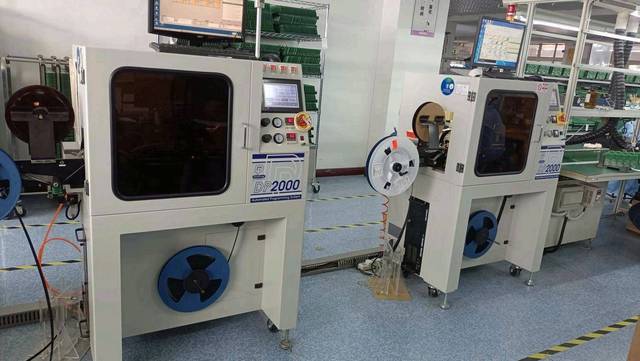
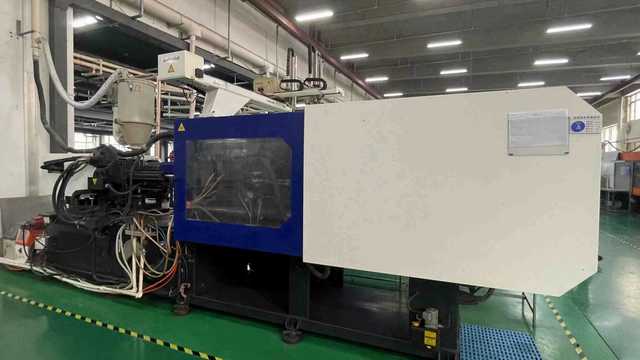
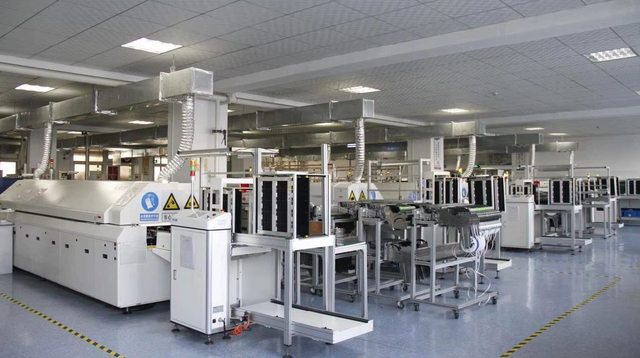
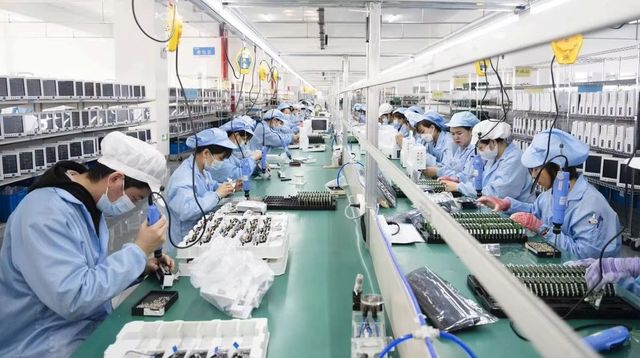
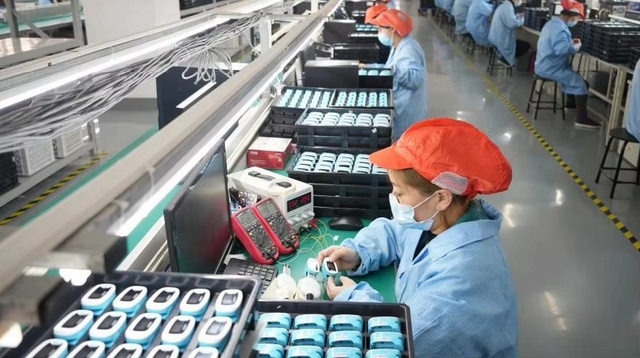
Real-world snapshots of our production lines, engineering laboratories, assembly lines, and inventory facilities.

 FoysMed Solutions