Explore our elite range of automated non-woven manufacturing equipment, clinical diagnostic tools, physical recovery systems, and certified barrier gear.
Ningbo FoysMed Solutions Co., Ltd. is a professional medical equipment manufacturer specializing in rehabilitation and mobility solutions, as well as a reliable OEM supplier for global healthcare markets. The company is committed to delivering high-quality, safe, and efficient medical products that support hospitals, clinics, rehabilitation centers, and home care environments.
FoysMed offers a comprehensive range of products, including electric wheelchairs, mobility aids, rehabilitation consumables, wound care products, surgical instruments, and general medical devices. Each product is designed and manufactured in compliance with strict international quality standards, ensuring reliability, durability, and user comfort in a wide variety of medical applications.
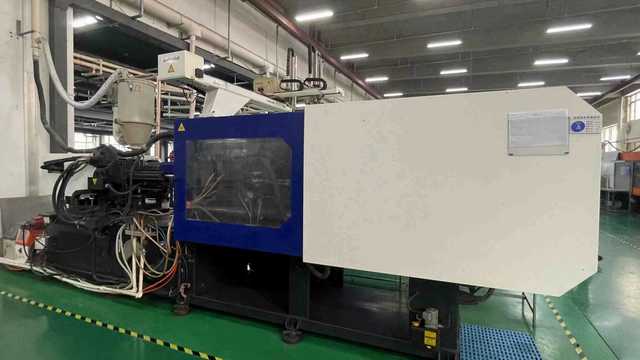
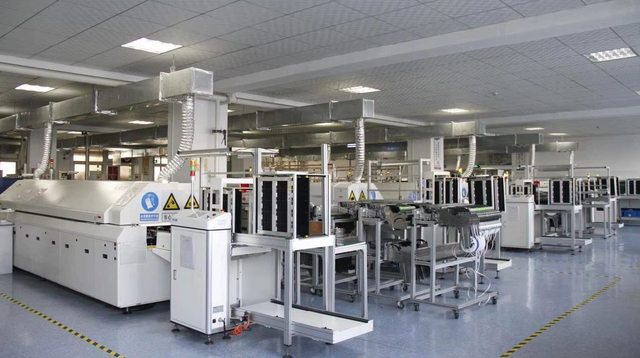
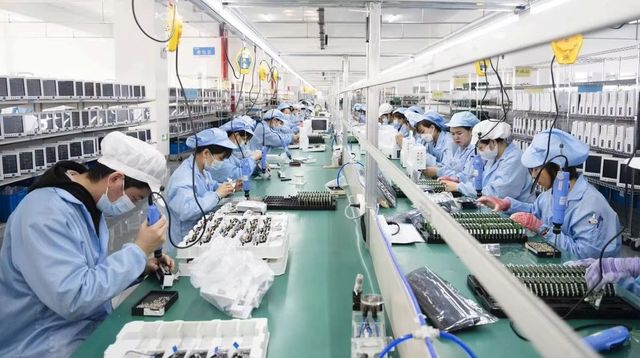
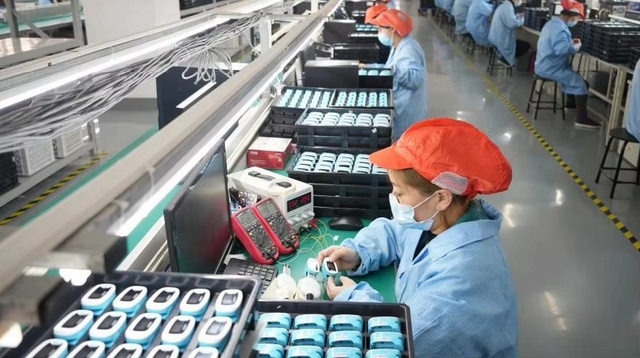
With advanced production facilities, precision manufacturing processes, and rigorous quality control systems, Ningbo FoysMed Solutions Co., Ltd. ensures consistent product performance and stable supply capabilities. The company also provides flexible OEM and ODM services, allowing clients to customize product specifications, materials, packaging, and branding to meet specific market demands.
Driven by innovation, quality, and customer satisfaction, FoysMed continues to expand its global presence. The company is dedicated to supporting healthcare providers with dependable medical equipment solutions that improve patient care, enhance rehabilitation outcomes, and contribute to a better quality of life worldwide.
The global market for infection control and barrier protection products has transitioned from a responsive, pandemic-driven landscape to a highly regulated, systemic infrastructure. Across North America, Europe, and the Asia-Pacific region, health authorities are enforcing stringent mandates to control Hospital-Acquired Infections (HAIs). According to recent clinical surveys, HAIs account for billions of dollars in annual healthcare overhead and pose significant patient safety risks. Consequently, medical institutions require high-performance consumables and medical equipment that offer validated chemical, biological, and fluid barriers.
Key regulatory frameworks, such as the European Medical Device Regulation (MDR) and the US Food and Drug Administration (FDA) guidelines, have established rigorous benchmarks. For instance, protective apparel must comply with testing criteria like ASTM F903 (Standard Test Method for Resistance of Materials Used in Protective Clothing to Penetration by Liquids). In automated production environments, manufacturing machinery must implement cleanroom-compatible processes to limit bioburden prior to final Ethylene Oxide (EO) or steam sterilization. The consolidation of global logistics demands that factories in China transition from simple assembly lines to integrated, high-automation fabrication facilities capable of delivering medical-grade output consistently.
Modern healthcare ecosystems require a multi-layered approach to infection prevention, extending from patient barrier products to mechanized clinical sterilization. A reliable manufacturer must supply components for three distinct defensive rings:
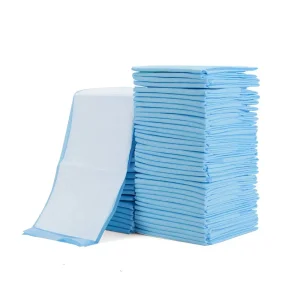
Utilizing high-grammage SMS, spunlace non-woven materials, and PE films. Products like ASTM F903 protective clothing and high-absorption underpads prevent fluid cross-contamination and safeguard clinicians during high-exposure diagnostic or surgical interventions.
Disposable needle-free connector valves utilizing positive-pressure mechanics prevent retrograde blood flow and microbial intrusion, significantly mitigating the risk of Central Line-Associated Bloodstream Infections (CLABSIs).
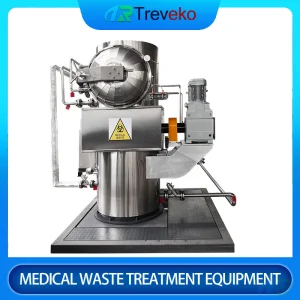
Heavy-duty thermal and steam sterilization units (e.g., steam autoclaves with generator backups) ensure that critical surgical instruments and contaminated medical waste are rendered biostable and completely free of vegetative pathogens before disposal or reuse.
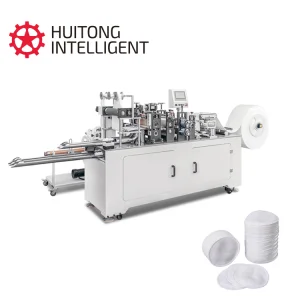
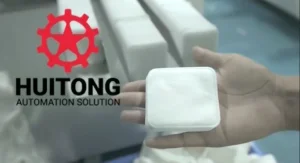
The efficiency of manufacturing disposable infection control products lies in high-speed web handling and cutting automation. Manual cutting processes are no longer viable due to particle shedding, size inconsistency, and labor overheads. Modern manufacturing facilities deploy advanced PLC-controlled rotary cutting and embossing machinery to produce items like round and square cosmetic pads, medical swabs, and underpads.
Our technical roadmap focuses on the following engineering milestones:
Infection control requirements vary substantially depending on the clinical environment and local regulations:
In intensive environments, the risk of pathogen transmission is elevated. Baby-safe anesthesia delivery systems, closed-circuit breathing loops, and positive pressure needle-free connectors are crucial. Clinicians rely on high-barrier ASTM protective clothing during invasive procedures to prevent biological fluid exposure.
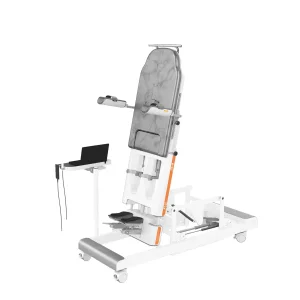
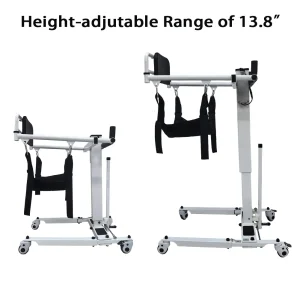
Rehabilitation centers utilizing devices like lower-limb tilt tables face challenges related to patient incontinence and immobility. High-absorbency disposable bed pads with PE back-sheets protect equipment surfaces while maintaining skin dryness to prevent pressure ulcers. Concurrently, transfers are optimized using specialized mobility aids, minimizing friction-induced skin shears.
Industrial clients require robust, turnkey machinery (such as square and round cotton pad making machines) to manufacture bulk consumables for clinical prep and commercial beauty applications. These production setups demand continuous-duty operation, low maintenance cycles, and high yield ratios to compete in high-volume global markets.

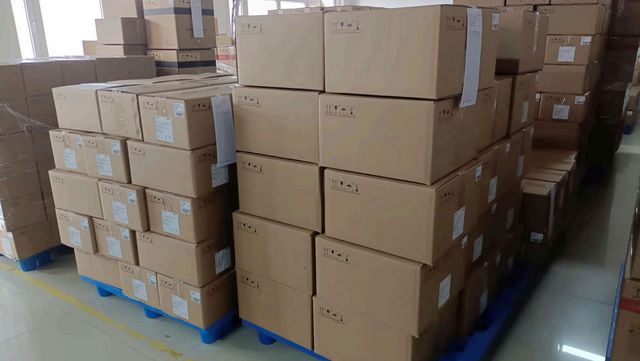
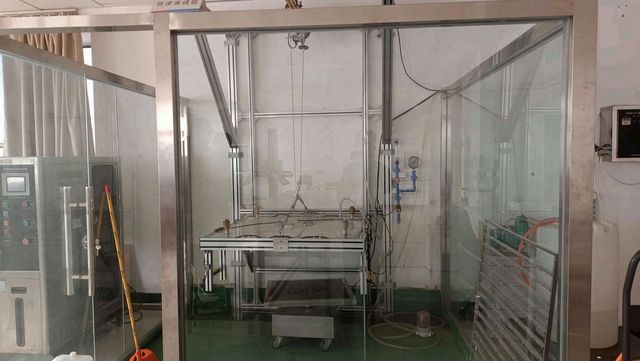
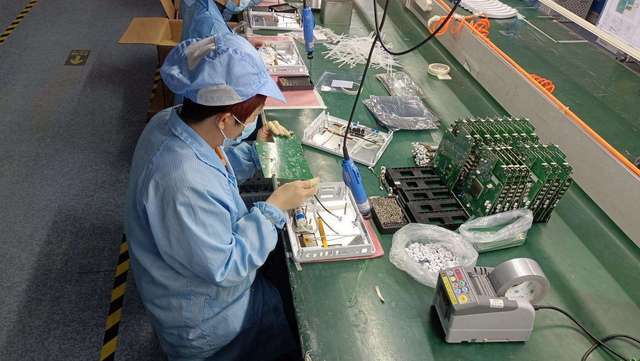
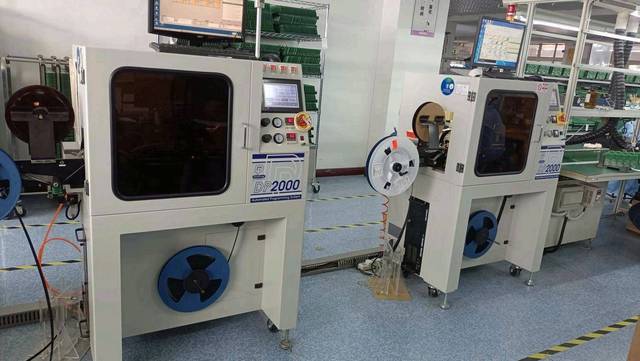
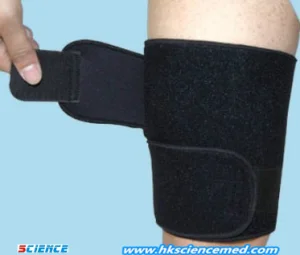
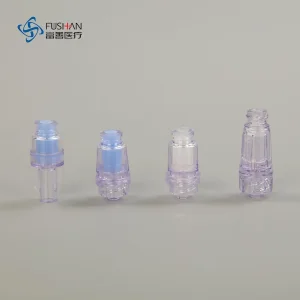
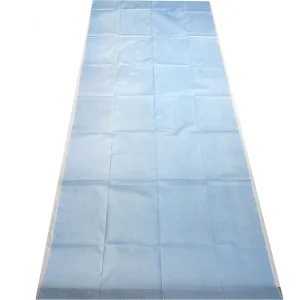
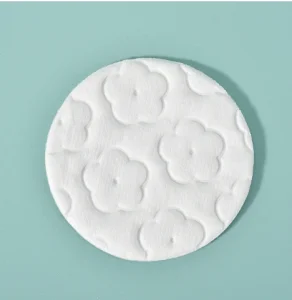
Discover our comprehensive collection of patient care consumables, orthopedic braces, high-speed cotton conversion systems, and sterile fluid valves.
Detailed professional answers to critical procurement, production, and regulatory questions.
Our manufacturing practices strictly adhere to the ISO 13485 quality management standard for medical devices. Specific products are manufactured in compliance with international certifications including the CE mark and FDA guidelines. For instance, our protective apparel is designed and validated to meet the ASTM F903 standard for fluid resistance, ensuring high barrier protection against blood-borne pathogens.
We provide extensive OEM/ODM support including custom sizing, variable GSM (grams per square meter) selections for non-woven fabrics, custom embossing patterns, multi-layer material laminations (e.g., tissue-PE film combinations for medical underpads), customized packaging, and private labeling. Our engineering team can also modify machine configurations to yield specialized shapes or specific cut sizes based on target market requirements.
Our needle-free connector valve utilizes an engineered internal fluid path that automatically generates a positive pressure displacement when the syringe or infusion line is disconnected. This displacement prevents the backflow of blood (retrograde flow) into the catheter tip, drastically reducing the formation of fibrin sheaths and thrombi, which are major vectors for Central Line-Associated Bloodstream Infections (CLABSIs).
The high-speed stability is achieved through three core engineering principles: first, a heavy-duty cast-iron structural frame that eliminates high-frequency mechanical vibration; second, a synchronized servo-drive control system that coordinates material feeding, embossing, and cutting; and third, an integrated magnetic powder tension control loop that dynamically balances material feed rate and web elongation.
Our medical supplies undergo standardized sterilization cycles, primarily using Ethylene Oxide (EO) or saturated steam under pressure, verified by chemical indicators and biological challenge devices (spores of *Bacillus atrophaeus* or *Geobacillus stearothermophilus*). Production batches are held in quarantine until microbiological testing confirms zero growth, fulfilling the Sterility Assurance Level (SAL) of 10^-6.
We maintain structured safety stock of high-grade raw materials (such as spunlace non-woven roll goods, medical-grade plastics, and PE back-sheets) and maintain redundant production lines. Located near Ningbo Port, one of the world's largest logistics hubs, we streamline customs clearance, minimize container lead times, and leverage advanced freight booking partners to guarantee stable supply chains during volatile market periods.
 FoysMed Solutions