FoysMed Solutions
1 / 5
| Model NO. | A1-3 | Theory | Motion Relearning |
|---|---|---|---|
| Certification | CE, ISO13485, CB | LCD Display | With LCD Display |
| Group | Adult | Application | Hospital, Rehab Centers |
| Weight | 280 Kg | Tilt Angle | 0-90° |
| Hip Joint Angle | 0-45° | Bed Reclining Angle | 0-15° |
| Feature | Auto Leg Length Adjust | Warranty | 1 Year |
| Voltage | AC220V/50Hz | Transport Package | Wooden Carton |
| Specification | 280Kg | Origin | Guangdong |
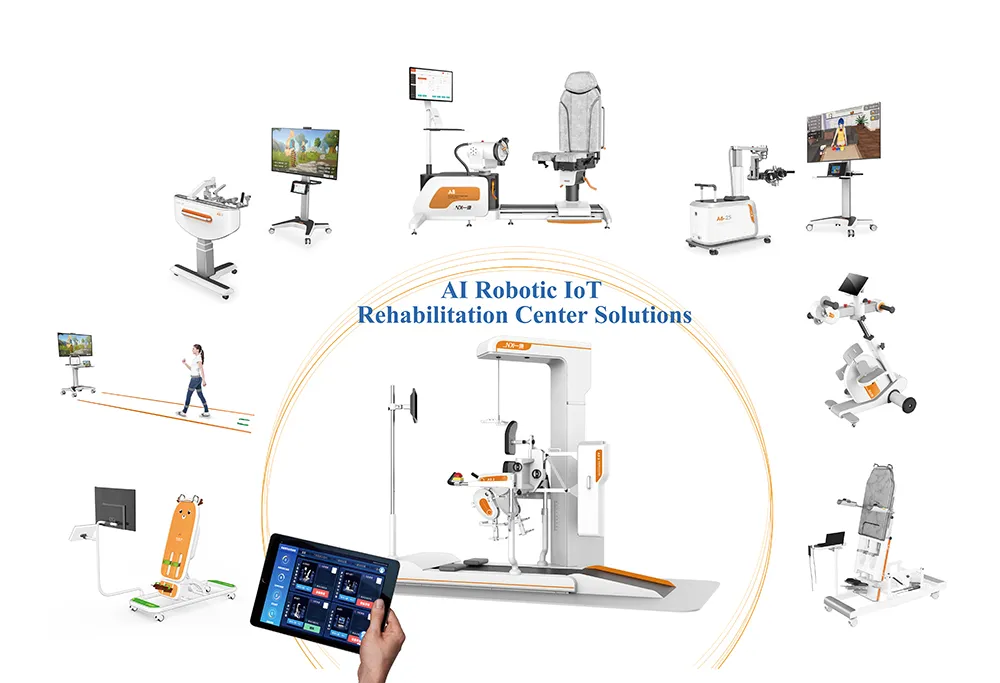
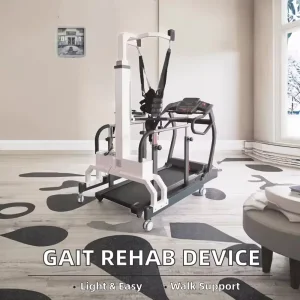
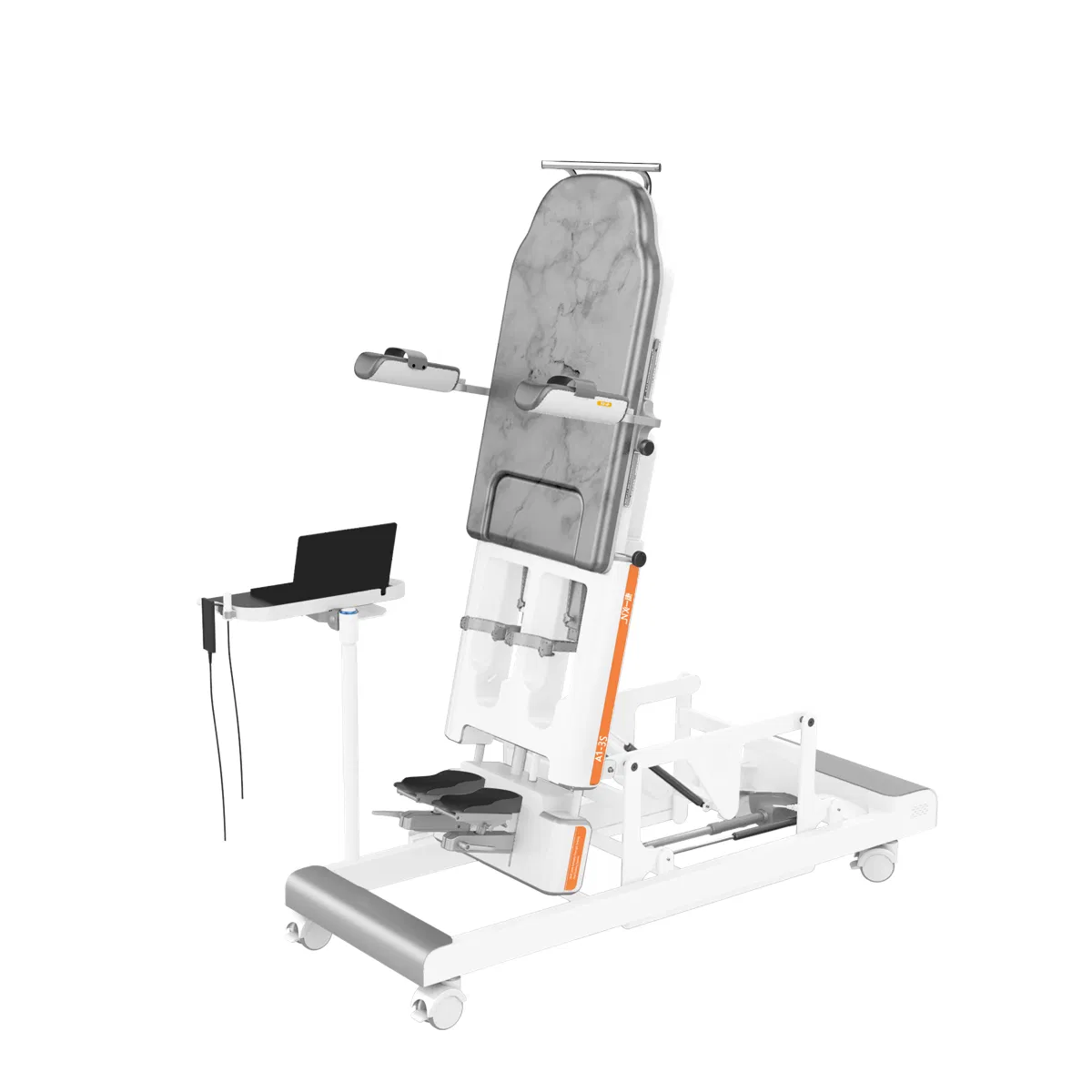
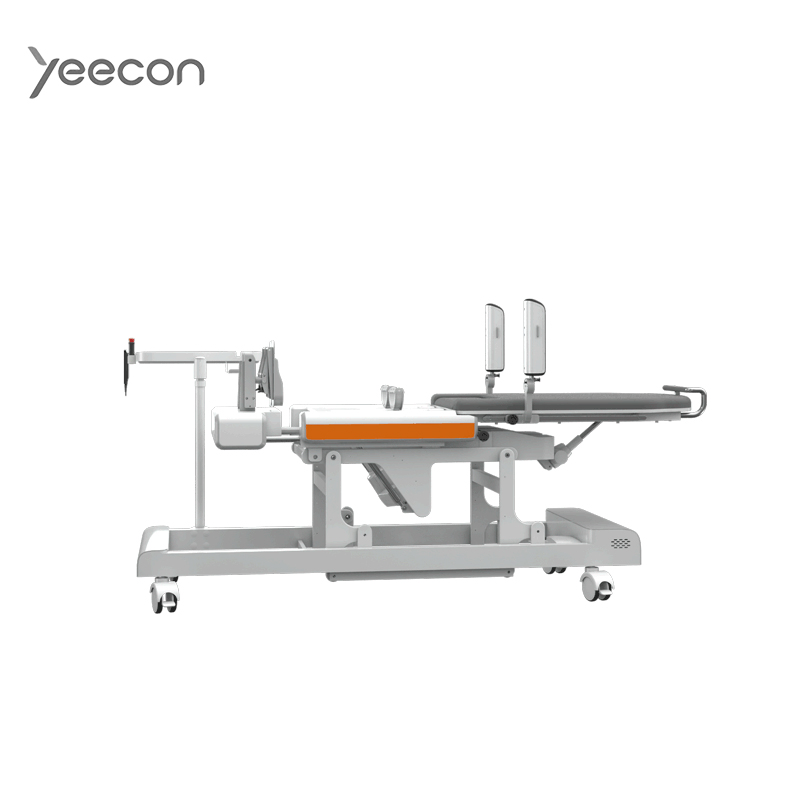
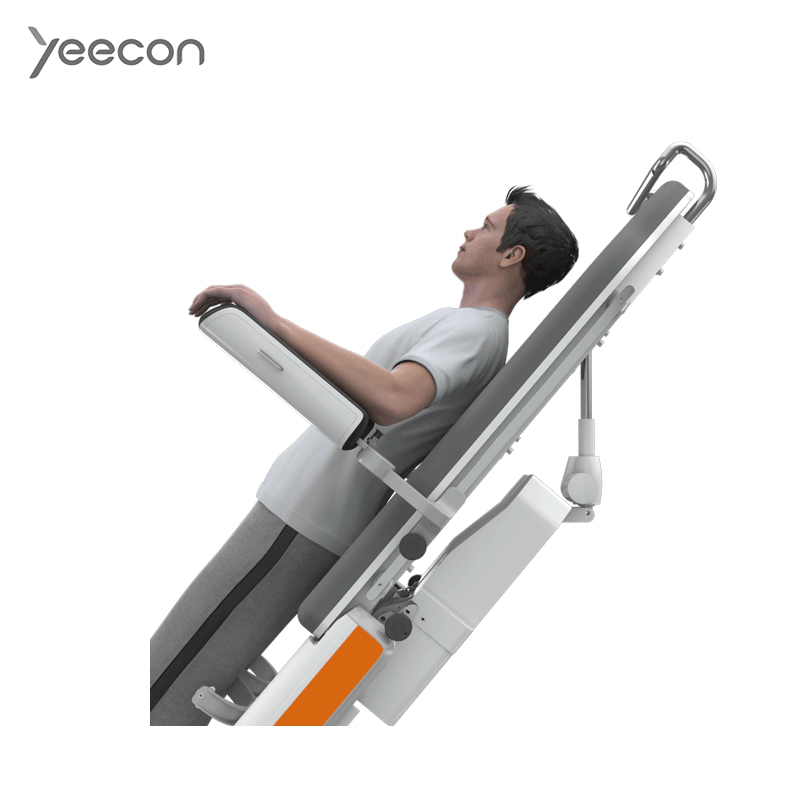
The robotic tilt table uses a new rehabilitation concept to overcome the shortcomings of traditional training. It changes the patient's position under the suspension state with binding. With support from the bind, the tilt table helps patients perform stepping training. By simulating normal physiological gait, this equipment helps to restore patients' walking ability and suppress abnormal gait.
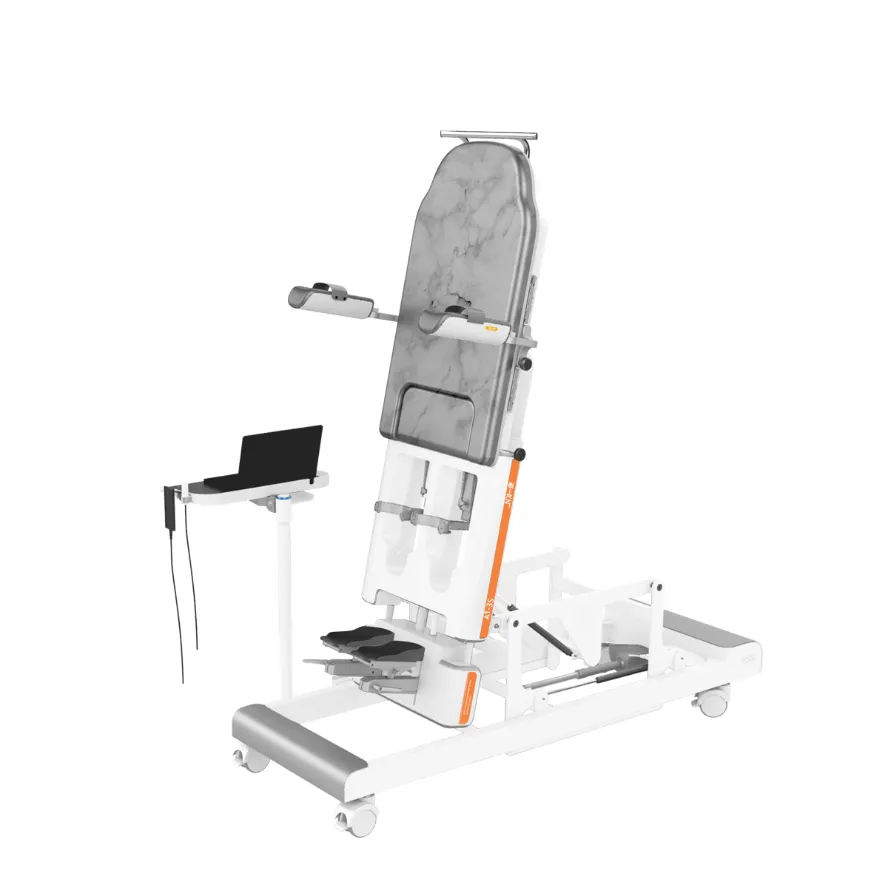
A1-3 is suitable for the rehabilitation of patients suffering from disorders of the nervous system related to a stroke, traumatic brain injury, or incomplete spinal cord injuries. Using the rehab robot is an effective solution, especially for those in the early stages of rehabilitation.
| Product Name | Robotic Tilt Table for Adult |
| Model | A1-3 |
| Speed | 0.1~3.5km/h |
| Orthostatic Standing Angle | 0-90° |
| Hip Joint Movement Angle | 0-45° |
| Bed Reclining Angle | 0-15° |
| Special Functions | Auto Leg Length Adjust/Reset, Auto Bed Reset |
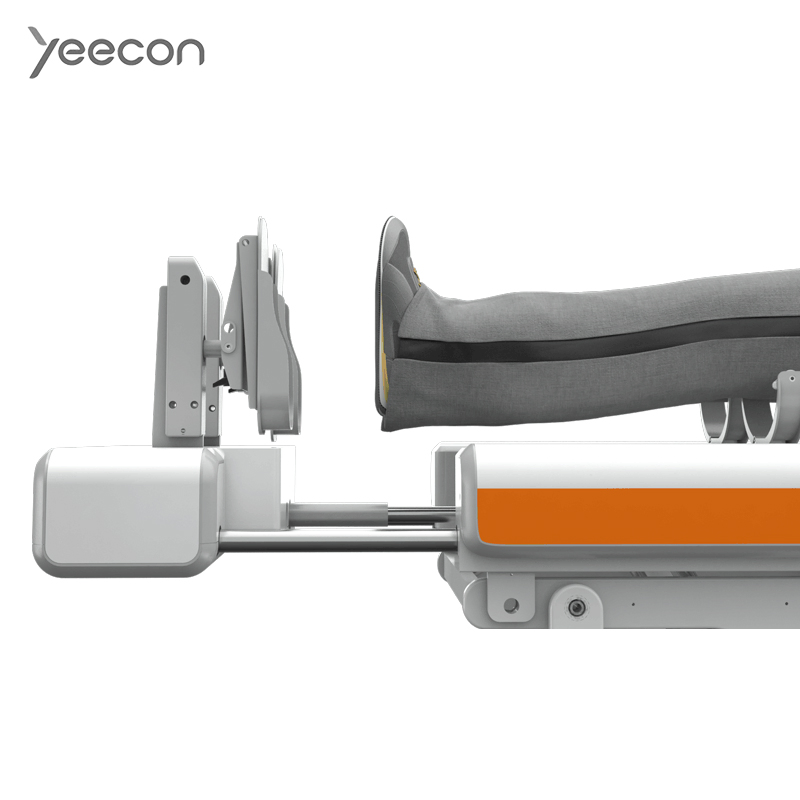
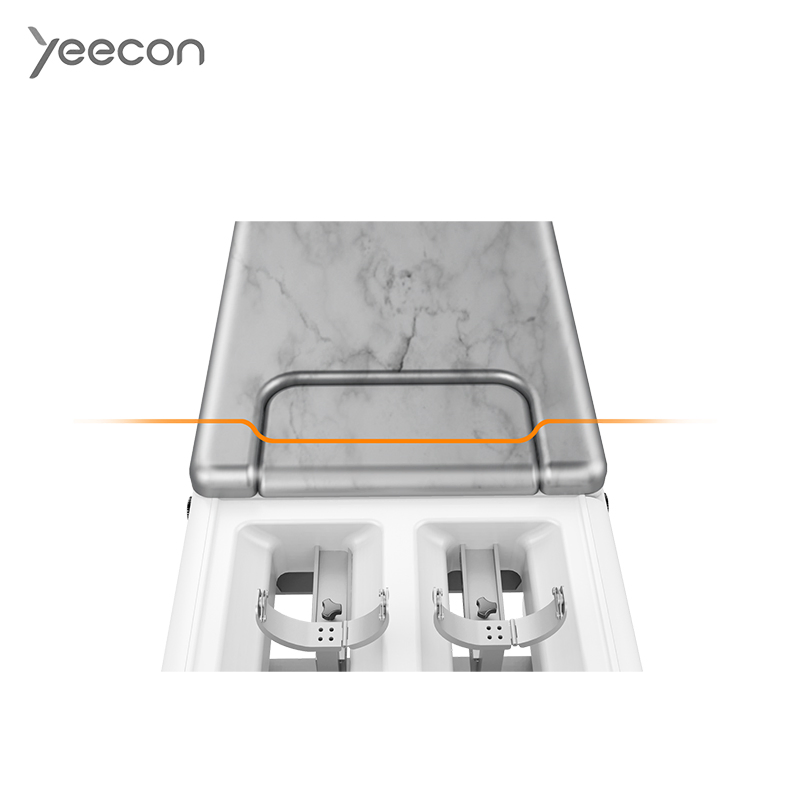
| Ergonomic Design | Lifting Pedals, Mobile Armrest, Adjustable Leg Spacing |
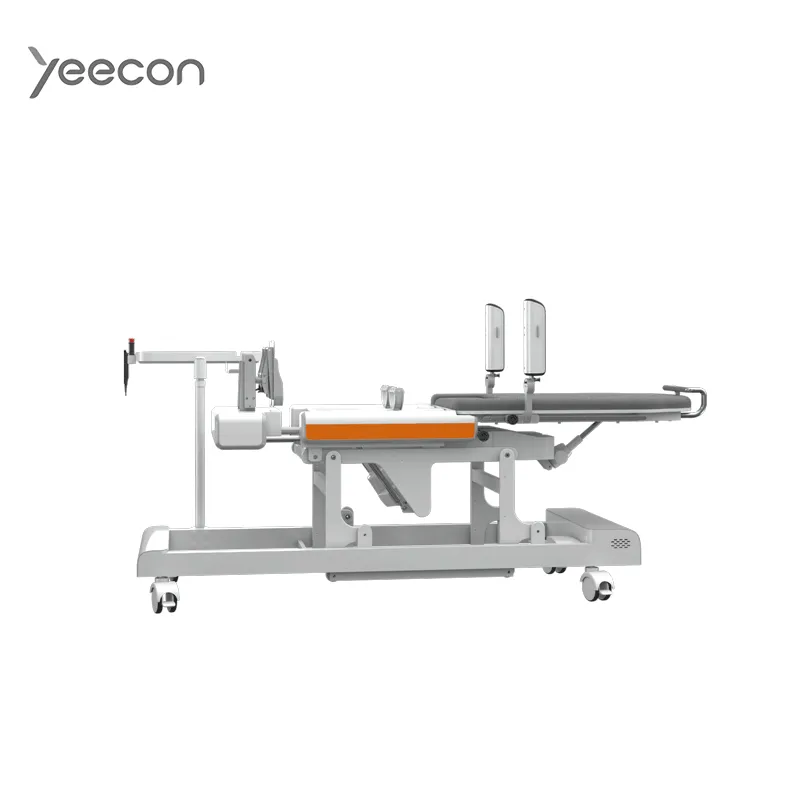
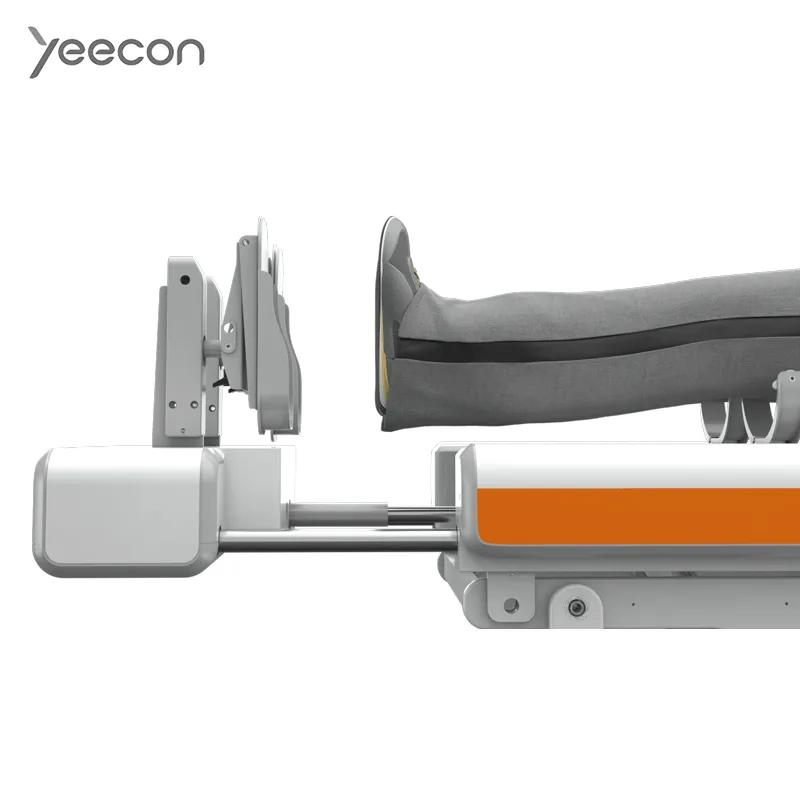
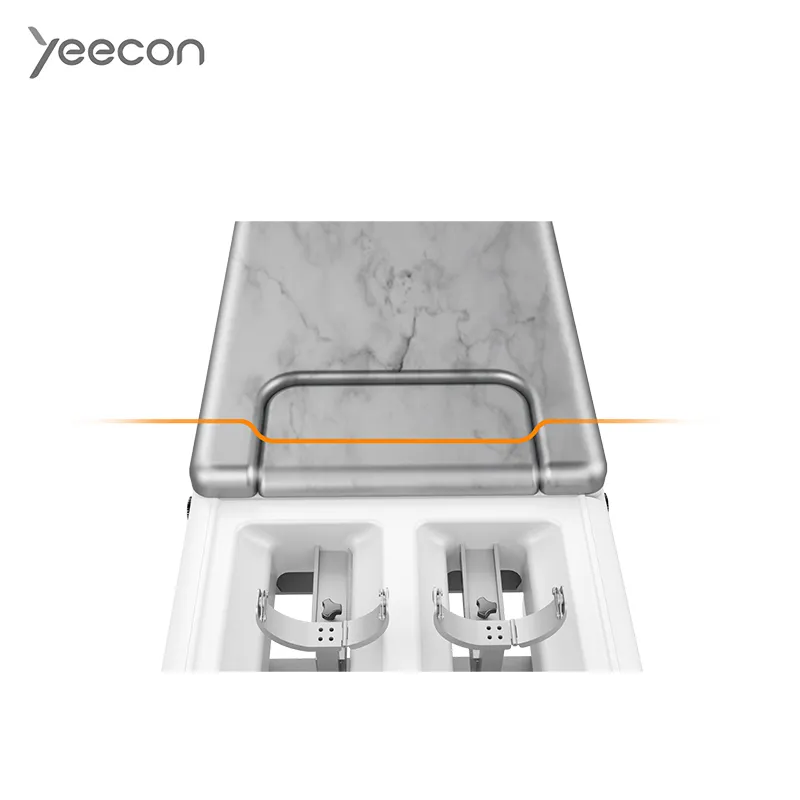
1. Back Leaning Technology: Assists hip extension, suppresses abnormal reflex patterns.
2. High Efficiency: Automatic leg length adjustment and one-key reset.
3. Visualized Training: Real-time display of joint activity evaluation.
4. Safety: Ergonomic armrest design to prevent shoulder dislocation.
5. Integration: Combines walking with surface electromyography for better gait function.
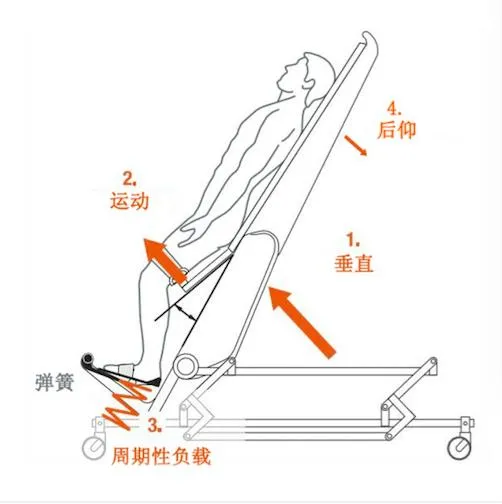
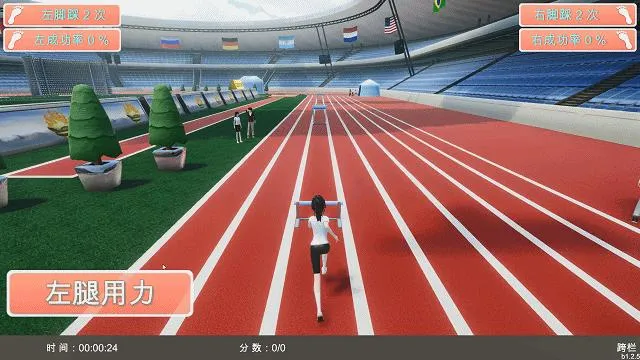
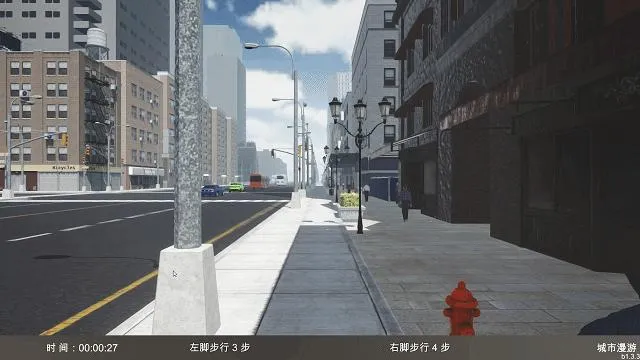
Virtual Interactive Training: 3D exercise scenes that connect training with real-life scenarios.
Range of Motion (ROM) Assessment: Intelligent lower limb ROM evaluation to track recovery progress.
Statistical Analysis: Automatically summarizes training data to visualize functional recovery.
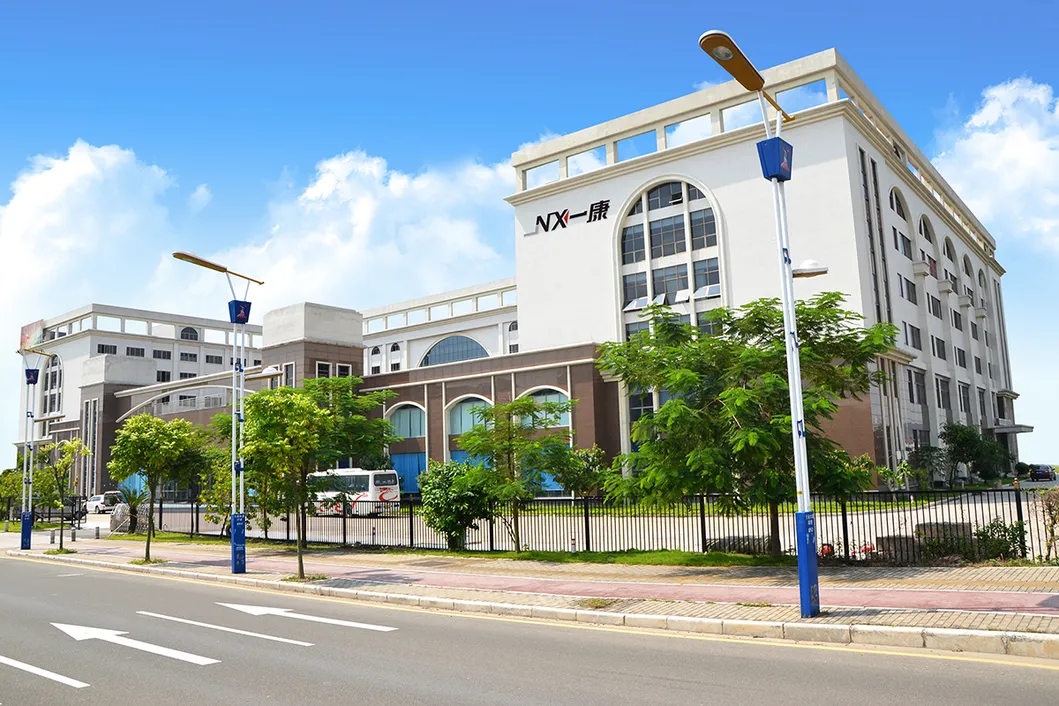
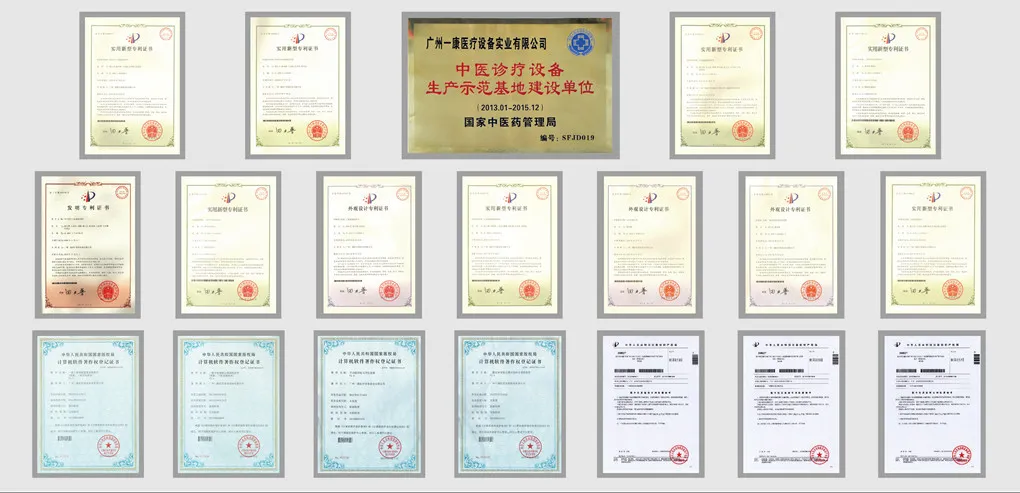
Established in 2000, we are a professional rehabilitation medical equipment facility integrating independent research, product development, production, and distribution. Our intelligent rehabilitation robotics series remains in a leading position in the industry. Beyond robotics, we provide physical therapy, occupational therapy, and professional treatment tables.