Core clinical platforms, robotic assistive equipment, and specialized diagnostics designed and manufactured under rigorous quality baselines.
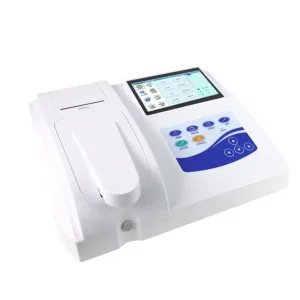
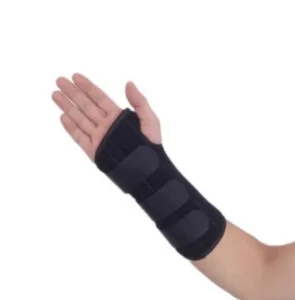
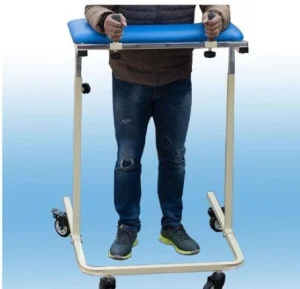
Ningbo FoysMed Solutions Co., Ltd. is a globally established, state-of-the-art medical equipment manufacturer specializing in comprehensive rehabilitation, clinical mobility solutions, and high-performance OEM/ODM health monitoring device architectures. Positioned at the intersection of modern robotics, digital diagnostic testing, and physical therapy support, FoysMed acts as an essential supply-chain link and design partner for world-class healthcare providers, medical distributors, and specialized medical device brands across North America, Europe, and Asia-Pacific markets.
"At FoysMed, we address the critical challenges of contemporary clinical care: transitioning patient monitoring from reactive, hospital-confined methods to proactive, AI-driven, and highly reliable ambulatory ecosystems."
FoysMed offers a highly integrated, multi-disciplinary catalog that encompasses advanced electric wheelchairs, specialized orthopedic structures, complex robotic gait support systems, biochemical laboratory systems, and surgical room sterilization suites. Our commitment to strict adherence to international biological safety, electronic compatibility, and quality assurance baselines is what makes us a premier industrial partner. By maintaining high-precision manufacturing labs, dynamic testing facilities, and cleanroom environments, we guarantee that every device rolling off our production lines operates with extreme clinical consistency, long-term durability, and optimized patient ergonomics.
The macro healthcare ecosystem is undergoing a profound paradigm shift. Traditional patient models are evolving towards Continuous Remote Patient Monitoring (RPM) and Decentralized Clinical Trials (DCTs). According to recent global healthcare intelligence reports, the global market for wearable and remote health monitoring devices is projected to grow at a Compound Annual Growth Rate (CAGR) exceeding 18.5% over the next decade. Driving this development are three key factors: the demographic aging of the global population, the escalating prevalence of chronic multi-morbidities (such as cardiovascular disease, diabetes, and neurological gait disorders), and the critical need for hospitals to reduce inpatient readmission rates under value-based care frameworks.
Historically, medical device manufacturing was heavily siloed, with brand owners handling in-house design, hardware engineering, and clinical testing. Today, the complexity of incorporating advanced IoT radios, machine learning algorithms, micro-electromechanical sensors (MEMS), and strict cybersecurity protocols has led to a highly specialized division of labor. Original Equipment Manufacturers (OEMs) and Original Design Manufacturers (ODMs) like FoysMed have emerged as the backbone of modern healthcare infrastructure. By providing mature, pre-certified hardware baselines and highly modular manufacturing pipelines, we enable brand owners to compress their Time-to-Market (TTM) by up to 60% while drastically lowering upfront capital expenditures (CAPEX).
Navigating the global regulatory architecture is the single largest hurdle for health monitoring devices. With the transition from the Medical Device Directive (MDD) to the more stringent Medical Device Regulation (MDR 2017/745) in the European Union, alongside the continuous updates to the US FDA's 510(k) pathway, manufacturers must demonstrate impeccable design traceability, clinical validation, and risk management portfolios. As an elite OEM factory, Ningbo FoysMed Solutions Co., Ltd. builds every device under the structural framework of ISO 13485:2016 (Medical Devices — Quality Management Systems), IEC 60601-1 (General Requirements for Basic Safety and Essential Performance), and IEC 60601-1-2 (Electromagnetic Disturbances). This ensures our B2B partners receive products that are fully prepared for clinical registration and commercial deployment in highly regulated markets.
For custom OEM health monitoring and rehabilitation devices, real "information gain" and performance superiority lie in the deep hardware stack, sensor integration, and signal processing capabilities. FoysMed's engineering division concentrates on three primary technological directives: sensor precision, edge-AI computation, and multi-system mechanical integration.
| Technology Domain | Standard Specifications | FoysMed Advanced OEM Solutions | Clinical / Practical Advantage |
|---|---|---|---|
| Ambulatory Biosensing | Single-wavelength photoplethysmography (PPG), basic 3-axis IMU. | Multi-spectral PPG, high-precision 6-axis MEMS inertial measurement units, skin temperature, and EDA. | Continuous, motion-artifact-free tracking of heart rate variability (HRV), SpO2, and complex gait analysis. |
| Edge Analytics & Processing | Basic microcontrollers transmitting raw data over Bluetooth. | Ultra-low-power ARM Cortex-M4/M33 MCUs with embedded tinyML neural networks for local anomaly detection. | Real-time identification of arrhythmia or sudden gait instability, minimizing latency and radio power drain. |
| Rehabilitation Exoskeletons | Passive mechanical frames or simple manual assistance. | Active robotic torque control with multi-joint sensor feedback loops and predictive AI walking assist algorithms. | Dynamically adapts assistance force to patient's real-time walking or running cadence, accelerating motor recovery. |
| Power and Connectivity | Proprietary charging, high power drain under Bluetooth Classic. | Medical-grade wireless charging, BLE 5.3, Wi-Fi 6, and optional NB-IoT or LTE-M sub-GHz connectivity. | Extended battery life (up to 14 days), seamless clinical-to-home roaming, and encrypted hospital cloud uploads. |
A primary challenge in non-invasive health monitoring devices—such as wrist-worn sensors, chest patches, or bio-feedback chairs—is the degradation of signal quality caused by user movement and physical displacement (motion artifacts). FoysMed solves this by using advanced adaptive filtering algorithms, including Recursive Least Squares (RLS) and Kalman filters, processed directly on-chip. By pairing these filters with high-performance analog front-ends (AFEs), our custom devices maintain clinical-grade data accuracy even during athletic activity, upright balance training, or high-vibration environments.
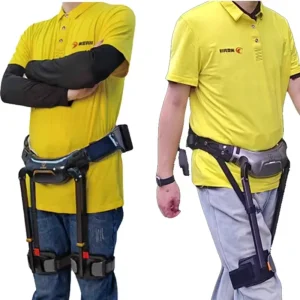
Our flagship Electronic Leg Support AI Robot Device showcases our deep expertise in robotic kinematics. Unlike conventional passive orthotics, this sports exoskeleton utilizes a distributed network of angular encoders, strain gauges, and load cells. By processing these mechanical inputs at 200 Hz through our proprietary AI walking assist model, the exoskeleton predicts user intent within milliseconds. The device calculates the precise amount of mechanical torque required at the knee and hip joints, providing an active, synchronized boost that aids patients suffering from hemiplegia, cerebral palsy, or post-surgical lower-limb trauma.
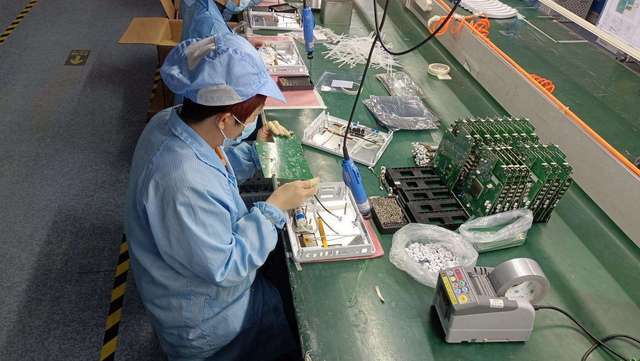
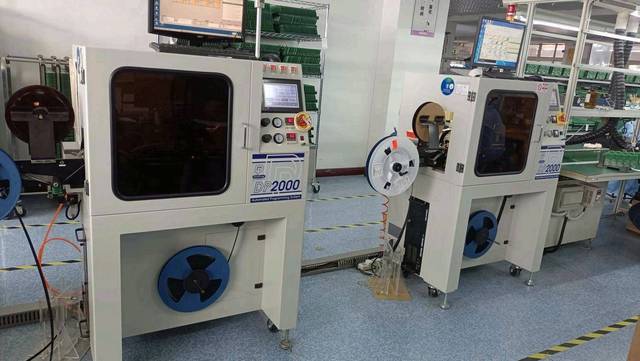
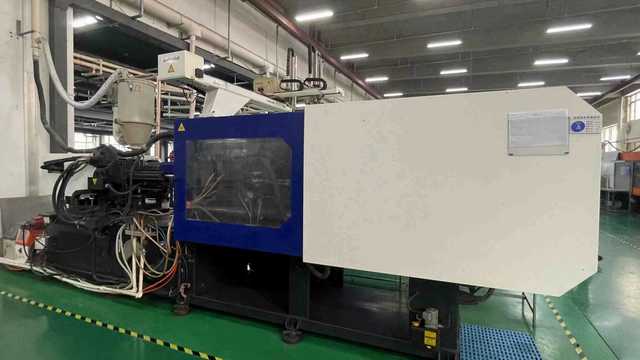
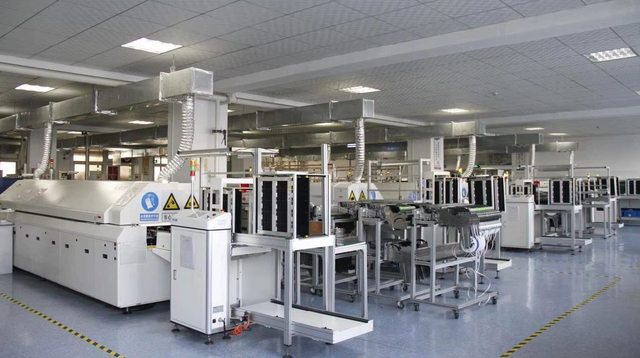
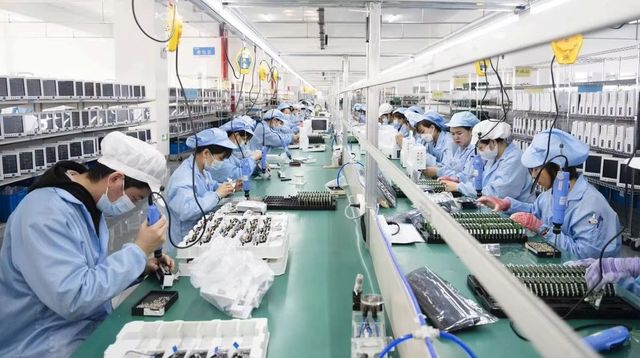
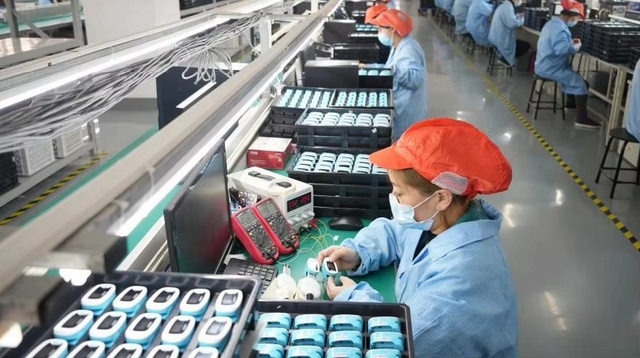
Ningbo FoysMed Solutions Co., Ltd. operates a highly standardized, vertically integrated manufacturing matrix. We control every stage of the product lifecycle—from raw PCB surface-mounting and structural tooling to cleanroom assembly, sterilizing, and laser engraving. This vertical integration allows us to enforce uncompromising quality gates across the supply chain, protecting the integrity of our clients' medical brands.
Our electronics division utilizes state-of-the-art Surface Mount Technology (SMT) lines capable of mounting components down to 01005 sizing, enabling the high-density layout required for ultra-compact health monitoring wearables. We employ automated 3D solder paste inspection (SPI), automated optical inspection (AOI), and in-circuit testing (ICT) to verify every trace, solder joint, and passive component before encapsulation.
For orthopedic wrist splints, adult walker touchpoints, and wearable biosensors, material selection is critical to avoiding patient skin sensitization or chemical leaching. FoysMed strictly selects materials that pass ISO 10993 (Biological Evaluation of Medical Devices) testing. We use medical-grade, platinum-cured silicones, thermoplastic elastomers (TPE), and surgical-grade stainless steels. For rugged environments, our devices feature protective casings designed using high-durability polycarbonate/polyurethane blends that resist heavy impacts, UV exposure, and frequent disinfection using clinical chemical agents.
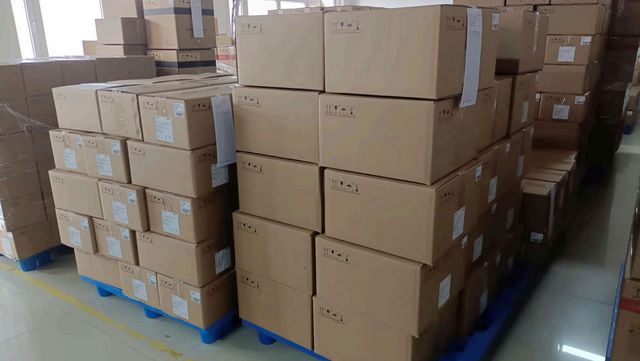
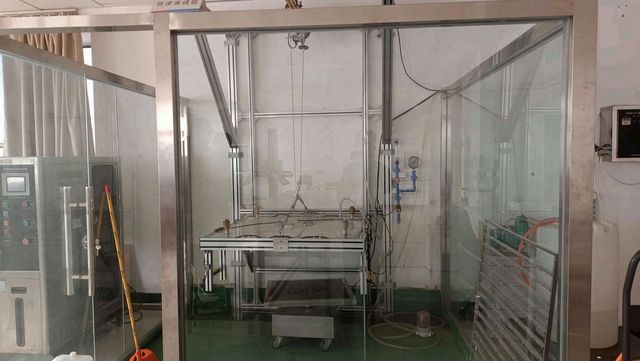
Below is a curated look into our production facilities, warehouse infrastructure, sterilization chambers, and international certification processes, confirming our physical capacity to deliver high-volume B2B contract manufacturing.

Medical procurement entities, corporate healthcare groups, and government agencies no longer seek simple standalone products; they demand comprehensive, integrated system solutions. FoysMed leverages its deep technological portfolio to deliver cohesive platforms addressing three major global healthcare priorities.
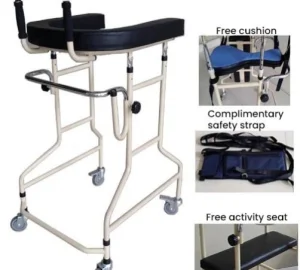
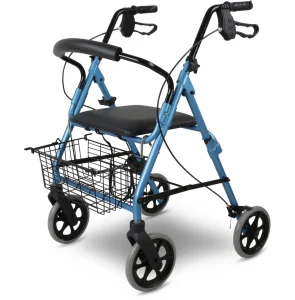
In response to the global demographic shift, we integrate active mobility aids (such as our Adjustable Foldable Rollator Walker and adult rehabilitation upright systems) with wireless sensing beacons. By embedding force sensors, inertial measurements, and low-energy telemetry directly into the frames, clinicians can continuously monitor an elderly patient's weight distribution, balance, usage patterns, and fall risks. The resulting telemetry is funneled to central monitoring panels in senior living communities, enabling early physical intervention and reducing fall rates by up to 40%.
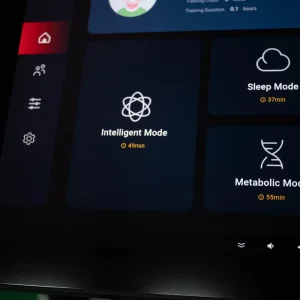
For children and adults suffering from neurological conditions like cerebral palsy or stroke, rehabilitation requires a carefully calculated regimen. FoysMed combines static clinical infrastructure, such as our Balance Rehabilitation Chair for Children with Cerebral Palsy, with active, dynamic solutions like our Electronic Leg Support AI Exoskeleton and *Intermittent Hypoxic Hyperoxic Training Devices*. This multi-tiered physical therapy system stimulates neural plasticity from multiple directions: correcting physical posture, providing active robotic gait assistance, and using targeted oxygen therapy to improve metabolic recovery rates.
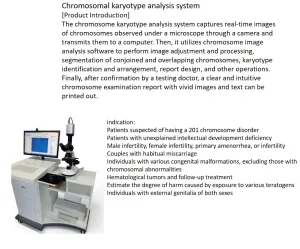
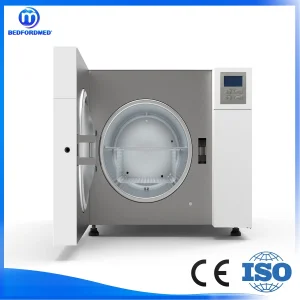
Modern clinical laboratories require extremely clean environments and rapid diagnostic turnarounds. FoysMed addresses this need with a dual-focus equipment line: automated digital testing platforms (such as our Chromosome Karyotype Analysis System with advanced high-resolution imaging) paired with high-performance cleanroom equipment (such as the Hospital Bioclean Room Medical High-Standard Sterilization Equipment Ste-45t). This integrated pipeline prevents sample cross-contamination, guarantees sterile laboratory procedures, and automates high-resolution genetic imaging, resulting in faster and more accurate genetic diagnostics.
High-standard clinical production lines, precision dental tools, oxygen therapeutic devices, and intensive-care consumables.


 FoysMed Solutions