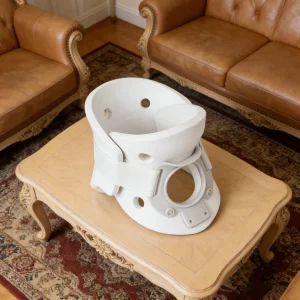
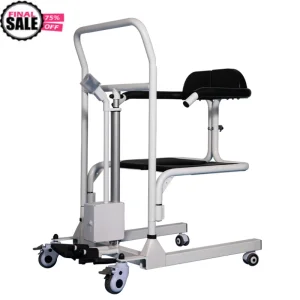
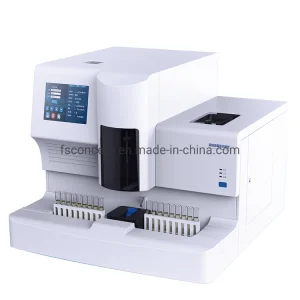
Explore our leading medical devices and active rehabilitation technologies engineered for clinical efficiency and enhanced patient outcomes.
As global demographic shifts drive an unprecedented increase in the aging population and people requiring rehabilitation, the demand for specialized, reliable, and compliant disability aids has intensified. Worldwide, medical distributors, hospital procurement managers, and specialized care facilities are facing a dual challenge: acquiring equipment that conforms to strict medical guidelines while managing production overhead and dynamic custom-order turnarounds.
This industry whitepaper explores the critical integration of design innovation, manufacturing logistics, and international safety compliance. As a premier provider of customized rehabilitation equipment, Ningbo FoysMed Solutions Co., Ltd. stands at the forefront of this market, offering robust OEM/ODM frameworks that allow global healthcare providers and equipment suppliers to transition effortlessly from conceptualization to mass production.
Ningbo FoysMed Solutions Co., Ltd. is a professional medical equipment manufacturer specializing in rehabilitation and mobility solutions, as well as a reliable OEM supplier for global healthcare markets. The company is committed to delivering high-quality, safe, and efficient medical products that support hospitals, clinics, rehabilitation centers, and home care environments.
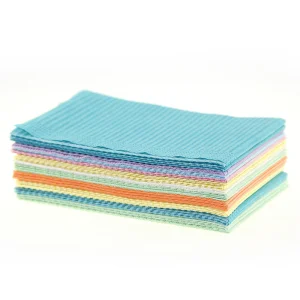
FoysMed offers a comprehensive range of products, including electric wheelchairs, mobility aids, rehabilitation consumables, wound care products, surgical instruments, and general medical devices. Each product is designed and manufactured in compliance with strict international quality standards, ensuring reliability, durability, and user comfort in a wide variety of medical applications.
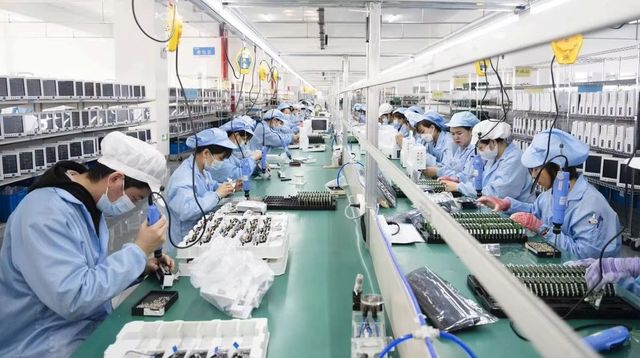
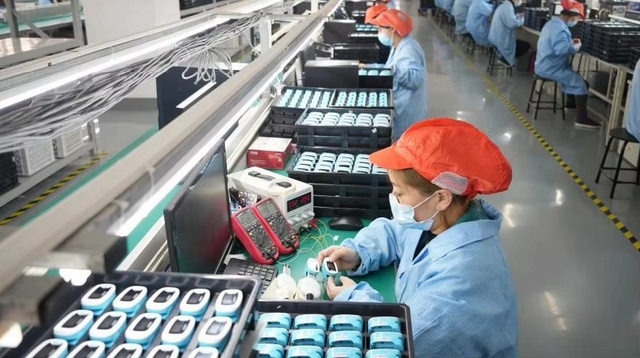
With advanced production facilities, precision manufacturing processes, and rigorous quality control systems, Ningbo FoysMed Solutions Co., Ltd. ensures consistent product performance and stable supply capabilities. The company also provides flexible OEM and ODM services, allowing clients to customize product specifications, materials, packaging, and branding to meet specific market demands.
Driven by innovation, quality, and customer satisfaction, FoysMed continues to expand its global presence. The company is dedicated to supporting healthcare providers with dependable medical equipment solutions that improve patient care, enhance rehabilitation outcomes, and contribute to a better quality of life worldwide.

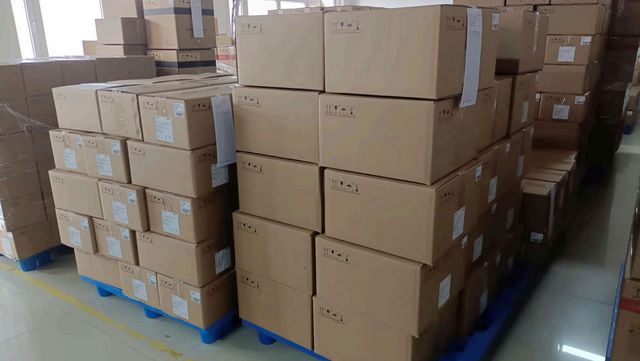
Navigating the complex landscape of clinical equipment sourcing requires a distinct understanding of production frameworks:
Clients provide precise blueprints, technical designs, and materials instructions. The manufacturer leverages its production lines, tooling, and labor forces to construct the items. Ideal for established brands with in-house R&D departments.
The manufacturing partner handles all stages, including market research, conceptualization, industrial design, electronic engineering, prototyping, and compliance testing. Clients can select preset platforms and apply their branding.
Collaborative co-development leveraging the client's localized physiological insights and the factory's material expertise and optimized tooling setup, ensuring high cost-efficiency and fast market entry.
China's position as a global leader in medical manufacturing is built on integrated industrial clusters, advanced logistics, and a highly skilled workforce. Specifically, the Ningbo industrial zone offers significant logistical advantages, combining a deep-water seaport with proximity to raw material markets. This geographic position facilitates efficient shipping and reduces transit times for global shipments.
Within a 100-kilometer radius of our manufacturing facilities, we access top-tier suppliers of medical-grade aluminum alloys, titanium, high-tensile carbon fibers, bio-compatible polymers, and precision micro-motors. This proximity reduces transit times for raw materials, eliminates domestic supply chain bottlenecks, and allows us to maintain competitive lead times for production runs.
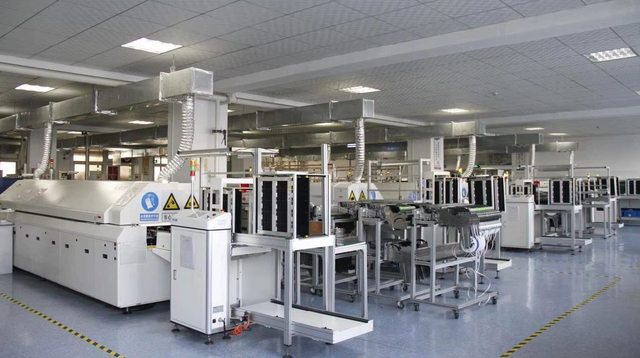
By integrating multi-axis CNC machines, robotic welding systems, and automated powder-coating lines, Ningbo FoysMed guarantees high consistency across production batches. Automated assembly lines minimize human error in critical load-bearing joints, assuring that every walking frame, orthotic support, and electric wheelchair frame maintains structural integrity under stress.
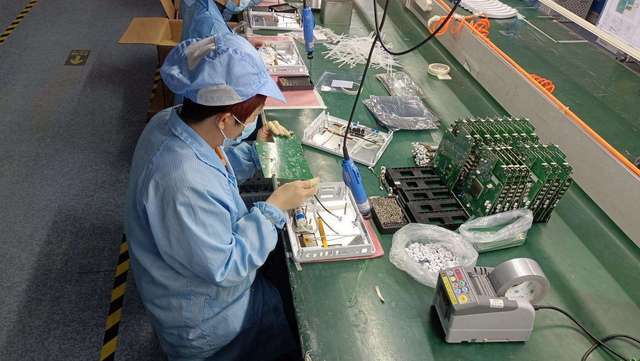
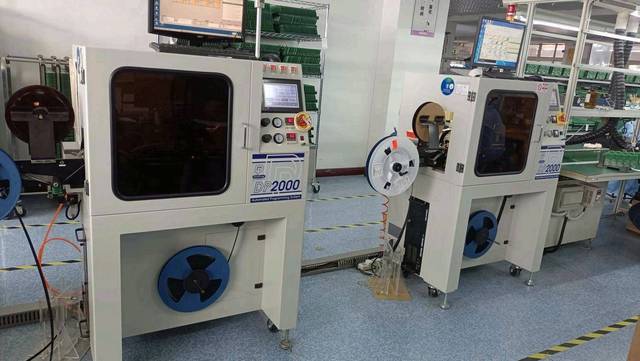
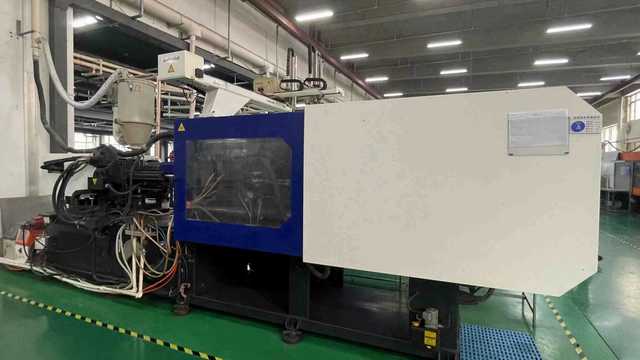
Transitioning from a 3D CAD design to a functional prototype requires specialized equipment. Our in-house research facilities use rapid stereolithography (SLA) printing and CNC prototyping to produce functional samples quickly. We subject these prototypes to rigorous cyclic load tests, impact assessments, environmental chamber testing, and chemical composition analysis before initiating mass production.
For international medical device buyers, regulatory compliance is a critical factor. Sourcing disability aids that lack appropriate regional certifications can lead to customs holds, legal liability, or product recalls. Ningbo FoysMed Solutions Co., Ltd. addresses this risk by maintaining compliance with major international standards:
Our quality management system is certified specifically for medical device manufacturing, ensuring consistent design, development, production, and distribution processes.
We design our medical equipment to align with FDA requirements in the US and the Medical Device Regulation (MDR 2017/745) in the European Union, facilitating registration in major markets.
All materials that make direct contact with skin (foams, plastics, fabrics) undergo testing to confirm they are non-toxic, hypoallergenic, and compliant with REACH and RoHS standards.
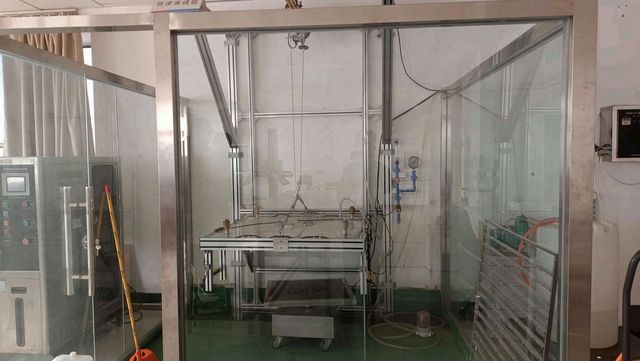
Our testing protocols involve mechanical load testing (confirming weight limits on lifting aids and walkers), electrical safety audits for powered devices (electromagnetic compatibility or EMC), and environment simulations to verify resistance to corrosion, sweat, and UV exposure. This thorough testing helps ensure reliability in diverse environments, from dry desert conditions to high-humidity coastal clinics.
Modern disability aids must operate in various environments, each with specific challenges. Our product lines are customized to suit these diverse application scenarios:
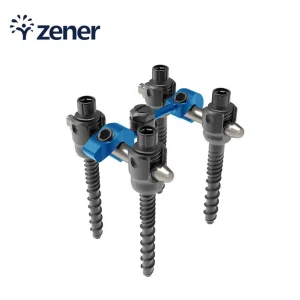
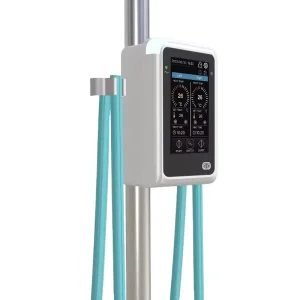
Demands heavy-duty, highly sterile materials. Equipment like our blood fluid warmers, medical ventilators, and spinal fixation systems are built to withstand cleanrooms and support critical functions.
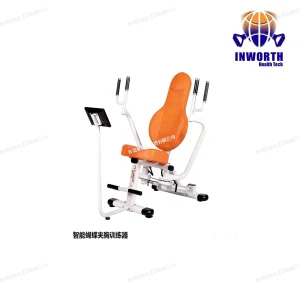
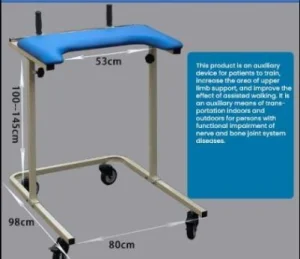
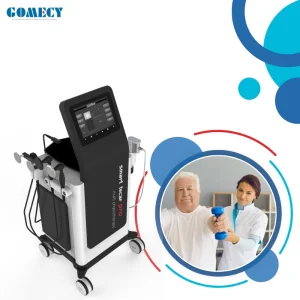
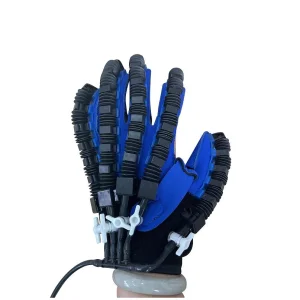
Requires high-precision training equipment. Focuses on dynamic gait trainers, robotic physical therapy apparatus, and shockwave devices to help patients rebuild neuromotor pathways.
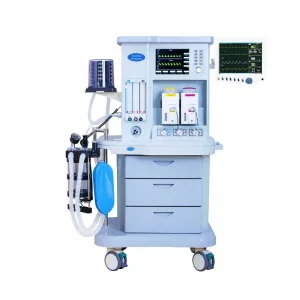
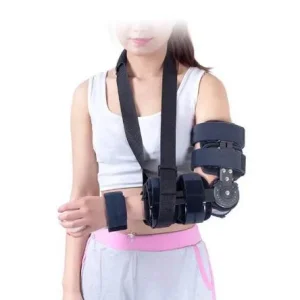
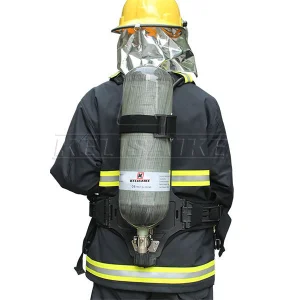
Prioritizes ergonomics, space-saving designs, and ease of use. Examples include oxygen breathing systems, lightweight mobility aids with silent casters, and orthotics designed for daily use.
Physical requirements vary across different populations. For instance, the average seat dimensions and load-bearing requirements for mobility devices in the North American market differ from those in the East Asian market. Our ODM team works with regional anthropometric data to optimize seat width, ground clearance, and motor torque settings, ensuring comfortable use for different patient demographics.
The assistive technology sector is moving toward integration with digital health networks. Standard, purely mechanical tools are transitioning into interactive, data-transmitting health monitoring systems.
Modern wheelchairs are increasingly equipped with built-in sensors that track battery levels, structural wear, user sitting patterns, and GPS coordinates. This telemetry is transmitted to cloud networks, enabling fleet managers at nursing homes and medical rental companies to schedule predictive maintenance, minimizing equipment downtime.
The integration of microprocessors into lower-limb braces and gait trainers has improved patient mobility. These systems adapt support levels in real time based on the user's natural movements, helping to speed recovery times in physical therapy clinics.
As environmental footprint regulations tighten globally, manufacturers must evaluate their choice of raw materials. FoysMed works to source recycled aluminum alloys and biodegradable plastics for our consumables, helping clients meet corporate sustainability objectives without compromising clinical performance.
Essential insights for medical device distributors, sourcing managers, and healthcare procurement professionals.
Professional-grade orthopedic implants, recovery aids, and high-accuracy diagnostic instruments designed for global clinical distribution.
 FoysMed Solutions