Explore high-precision clinical equipment engineered for hospital, rehabilitation, and laboratory environments worldwide.
Architectural convergence, IoT sensor telemetry, and hardware-software interoperability in global healthcare engineering.
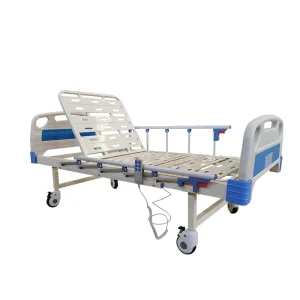
The global healthcare ecosystem is experiencing an unprecedented structural transformation. Historically, clinical devices operated as isolated physical tools—standalone motorized hospital beds, mechanical gait trainers, passive orthopedic braces, and localized respiratory ventilators. However, the modern healthcare paradigm demands seamless data integration, real-time diagnostic telemetry, and predictive therapeutic workflows. Clinical Informatic Systems (CIS) serve as the digital nervous system of modern smart hospitals, unifying bed-side biometric sensors, active rehabilitation systems, and enterprise Electronic Health Records (EHR) under standard interoperability frameworks such as HL7 and FHIR.
For global healthcare procurement leaders, hospital engineering directors, and medical equipment distributors, securing dependable **OEM/ODM Clinical Informatic Systems Suppliers & Exporters** has become a critical strategic objective. Beyond standalone machinery, medical providers now require hardware that embeds telemetry microprocessors, high-precision strain gauge sensors, automated pneumatic feedback systems, and cybersecurity-compliant connectivity modules. Ningbo FoysMed Solutions Co., Ltd. stands at the forefront of this convergence, providing scalable contract manufacturing and customizable OEM engineering to transform traditional rehabilitation and clinical devices into intelligent, networked medical assets.
Understanding the multi-tiered development trajectory of clinical informatics is crucial for enterprise buyers seeking sustainable, future-proof procurement strategies:
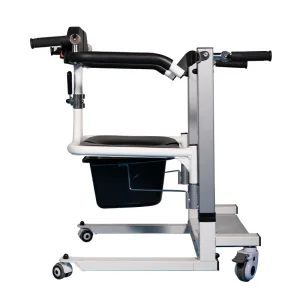
Modern clinical hardware embeds real-time micro-sensors directly within patient care devices—such as automated tilt tables, patient hoists, and CPAP ventilators—processing immediate telemetry locally before broadcasting aggregated diagnostic streams to central EHR systems.
With medical cyber-threats on the rise, international regulatory bodies enforce stringent data privacy standards (HIPAA in the US, GDPR in Europe). Hardware OEM architectures must integrate encrypted Bluetooth/Wi-Fi chips, secure boot firmware, and automated audit logging.
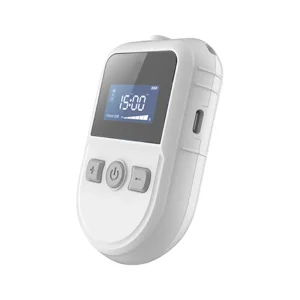
Post-pandemic care paradigms prioritize home-based recovery models. CES insomnia devices, portable CPAP systems, and smart orthopedic supports now utilize mobile application bridges, transmitting compliance and physiological data directly to attending physicians.
Procuring medical hardware and informatic componentry on a global scale involves complex risk mitigation strategies. Institutional healthcare buyers, OEM partners, and government ministry importers evaluate potential supply chain partners across four core dimensions:
Leveraging high-precision robotics, localized raw material ecosystems, and agile engineering clusters in Ningbo's medical manufacturing hub.
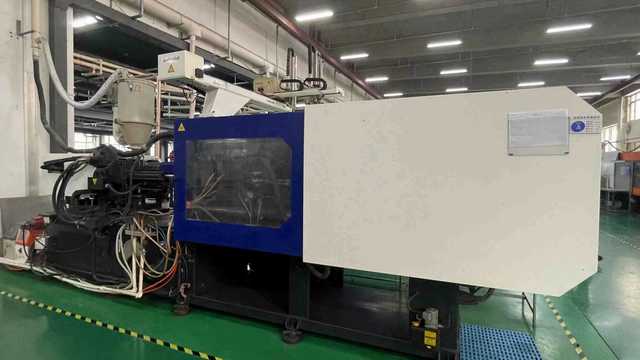
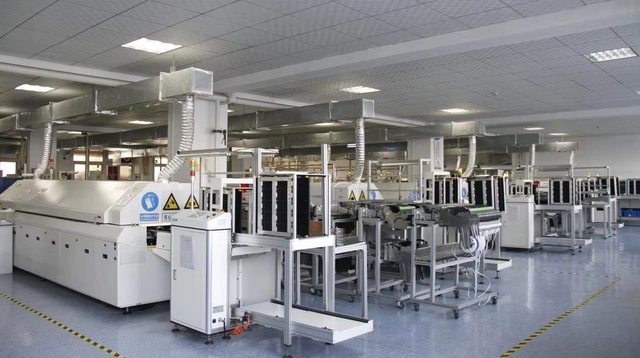
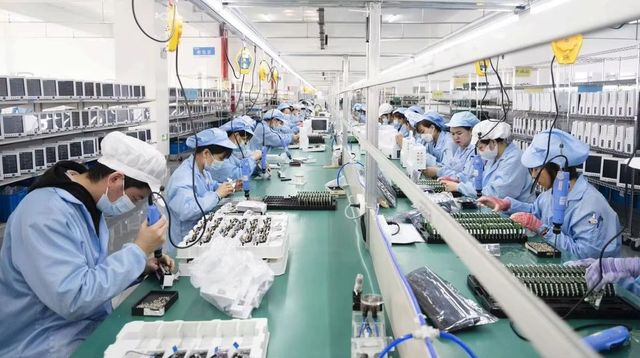
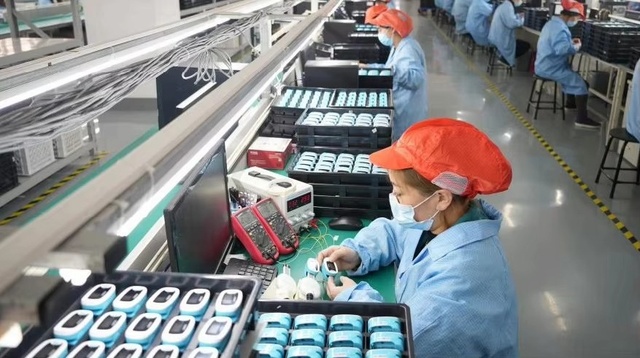
China’s transition into **Industry 4.0 intelligent manufacturing** has fundamentally redefined global medical equipment production. Ningbo, located within the Yangtze River Delta economic zone, stands as one of the world's premier advanced manufacturing centers. The region combines automated robotic machining, precision injection molding, electronics assembly, and deep ocean port logistics (Ningbo-Zhoushan Port) within a 50-kilometer radius.
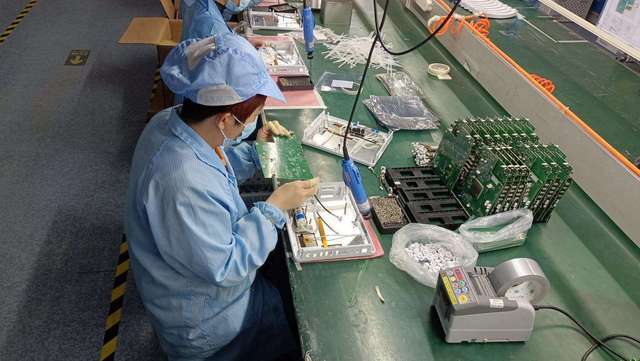
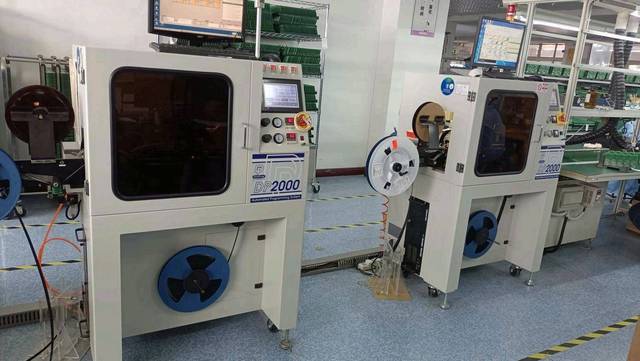
Ningbo FoysMed Solutions Co., Ltd. capitalizes on this unique industrial ecosystem to deliver world-class OEM/ODM engineering capabilities. By integrating smart manufacturing workflows, digital twin prototyping, and automated optical inspection (AOI) lines, FoysMed reduces prototyping lead times by up to 40% compared to traditional Western manufacturing while maintaining rigorous quality control standards.
From initial CAD modeling and rapid 3D sample printing to custom mold tooling and firmware flash programming, FoysMed provides end-to-end white-label and private-label production services tailored to overseas client specifications.
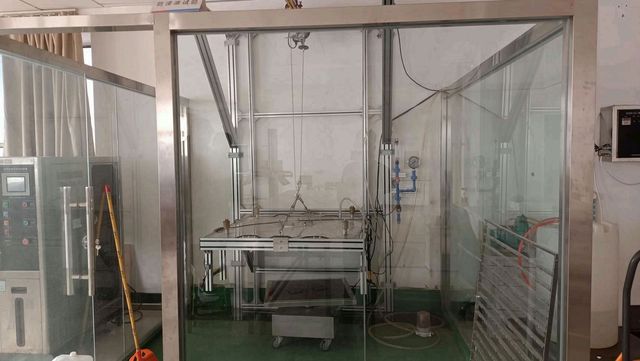
Every clinical device undergoes multi-stage electrical safety testing, load-bearing stress analysis, biocompatibility verification, and environmental simulation to guarantee 100% operational reliability upon global delivery.
Direct proximity to deep-water maritime shipping routes ensures optimized freight logistics, streamlined export customs clearance, and reduced transit risk for multi-container international orders.
Tailored physical and informatic hardware deployments across diverse healthcare settings.
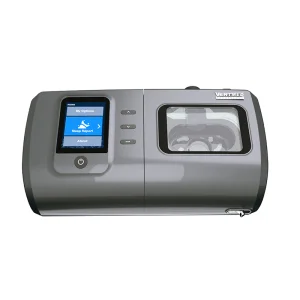
In critical care settings, equipment failure is not an option. Clinical informatic components integrated into positive-pressure ventilators (BiPAP/CPAP) and automated patient repositioning tilt tables provide continuous telemetry feed to central ICU monitoring stations. FoysMed’s precision components ensure precise fluid regulation, ultra-low electromagnetic interference (EMI), and immediate diagnostic feedback for critical care teams.
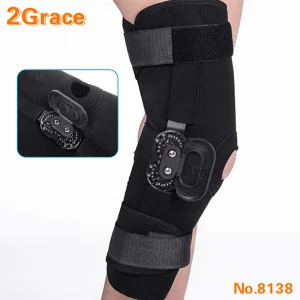
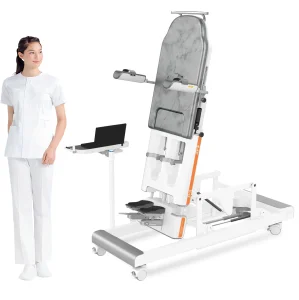
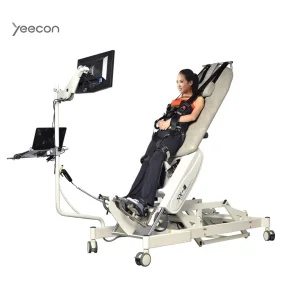
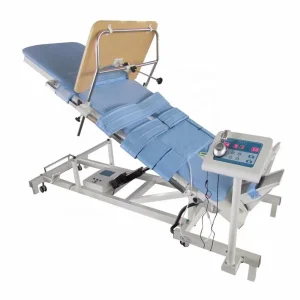
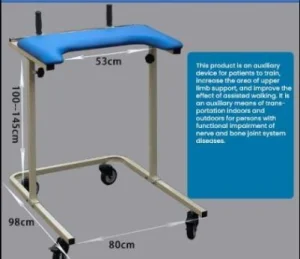
Modern physical medicine relies heavily on objective quantitative metrics. Motorized rehabilitation equipment—such as electric gait trainers, tilt tables, and dynamic joint fixation braces—incorporate load sensors and angle encoders. These sensors feed real-time biomechanical data into physical therapy management software, enabling rehabilitation clinicians to track patient movement recovery curves with clinical objectivity.
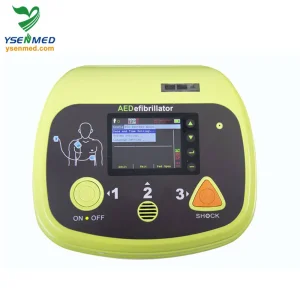
Emergency responders require ruggedized, lightweight, and rapidly deployable medical equipment. Automated External Defibrillators (AEDs) and portable life-support systems manufactured under OEM contracts incorporate intuitive visual telemetry screens, self-diagnostic battery circuitry, and instant data logging for post-event clinical review by trauma teams.
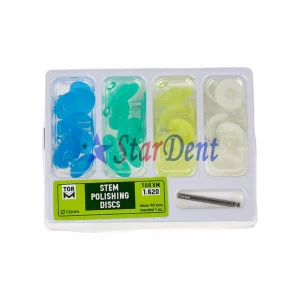
Precision diagnostic and finishing instruments—such as dental composite polishing kits, bur assemblies, and needle-free injection valves—require immaculate surface micro-finishing and absolute sterility compliance. FoysMed’s specialized dental and surgical product lines adhere to exact micron-level tolerances, supporting high-throughput outpatient procedures.
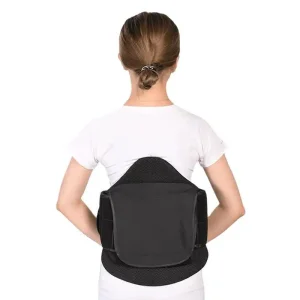
As healthcare transitions toward decentralized home care models, non-invasive neuro-stimulation devices (such as CES anti-insomnia units), home CPAP systems, and ergonomic lumbar supports empower patients to manage chronic conditions independently while keeping remote clinical networks updated via smart wireless interfaces.
A trusted global partner in medical device design, OEM contract manufacturing, and international healthcare export.
Ningbo FoysMed Solutions Co., Ltd. is a professional medical equipment manufacturer specializing in rehabilitation and mobility solutions, as well as a reliable OEM supplier for global healthcare markets. The company is committed to delivering high-quality, safe, and efficient medical products that support hospitals, clinics, rehabilitation centers, and home care environments.
FoysMed offers a comprehensive range of products, including electric wheelchairs, mobility aids, rehabilitation consumables, wound care products, surgical instruments, and general medical devices. Each product is designed and manufactured in compliance with strict international quality standards, ensuring reliability, durability, and user comfort in a wide variety of medical applications.
With advanced production facilities, precision manufacturing processes, and rigorous quality control systems, Ningbo FoysMed Solutions Co., Ltd. ensures consistent product performance and stable supply capabilities. The company also provides flexible OEM and ODM services, allowing clients to customize product specifications, materials, packaging, and branding to meet specific market demands.
Driven by innovation, quality, and customer satisfaction, FoysMed continues to expand its global presence. The company is dedicated to supporting healthcare providers with dependable medical equipment solutions that improve patient care, enhance rehabilitation outcomes, and contribute to a better quality of life worldwide.

Comprehensive orthopedic, diagnostic, emergency, and mobility solutions engineered for international markets.
Expert insights regarding OEM contract manufacturing, regulatory compliance, software customization, and export procedures.
FoysMed offers complete end-to-end OEM/ODM customization. This includes custom structural enclosure engineering (CAD/CAM), integration of proprietary sensor PCB boards, motor specification adjustments, private-label branding, customized LCD interface language localization, and bespoke protective export packaging designed for international distribution.
Our intelligent clinical and rehabilitation hardware lines can be configured with standard communication protocols (RS232, USB, Bluetooth LE, Wi-Fi) supporting HL7 and FHIR data formatting. This allows biometric data collected by our devices to be transmitted seamlessly into hospital management systems.
All products are manufactured under strict ISO 13485:2016 quality management standards. Depending on the product category, our devices carry CE marks (MDR compliant), FDA registrations, and RoHS/REACH material certifications, ensuring full compliance for entry into North American, European, Middle Eastern, and Asia-Pacific markets.
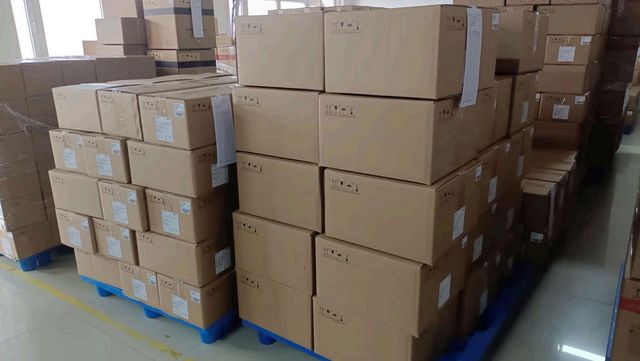
Initial engineering samples and 3D prototypes are typically delivered within 15 to 25 working days depending on complexity. Once final sample approval is granted, standard high-volume production orders are completed within 30 to 45 days, supported by Ningbo port's rapid sea-freight dispatch routes.
We enforce rigorous incoming material inspection (IQC), in-process quality control (IPQC), and final pre-shipment auditing (OQC). Every production batch is logged into our internal ERP system, providing complete traceability from raw component batches to final container loading.
 FoysMed Solutions