FoysMed Solutions
1 / 5
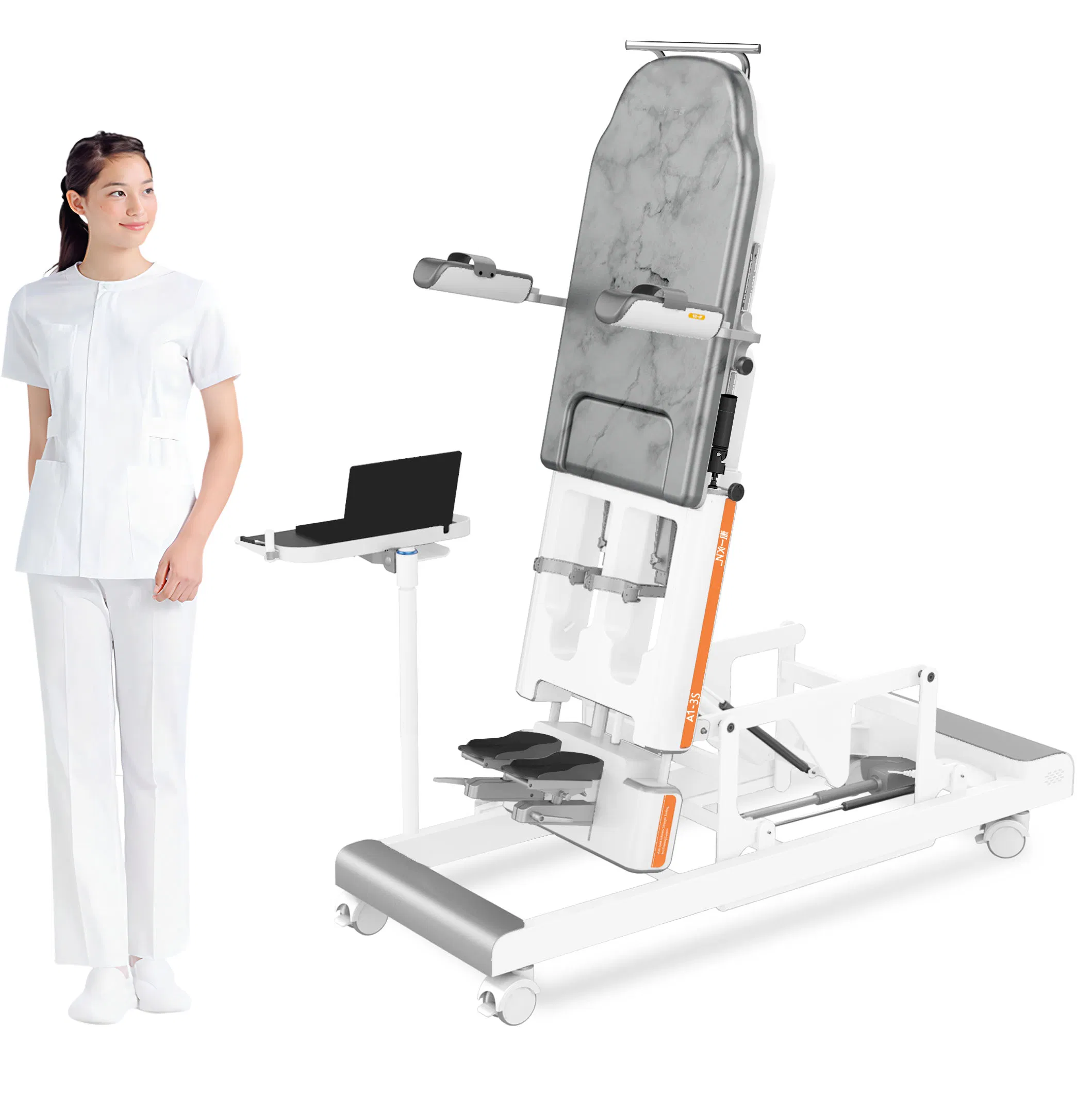
| Model NO. | A1-3 | Theory | Motion Relearning |
| Certification | CE, ISO13485, CB | LCD Display | With LCD Display |
| Group | Adult | Application | Hospital, Rehab Centers |
| Weight | 280 Kg | Tilt Angle | 0-90° |
| Hip Joint Angle | 0-45° | Bed Reclining Angle | 0-15° |
| Feature | Auto Leg Length Adjust | Warranty | 1 Year |
| Voltage | AC220V/50Hz | Origin | Guangdong |
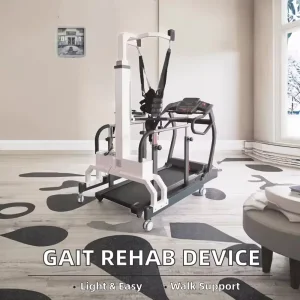
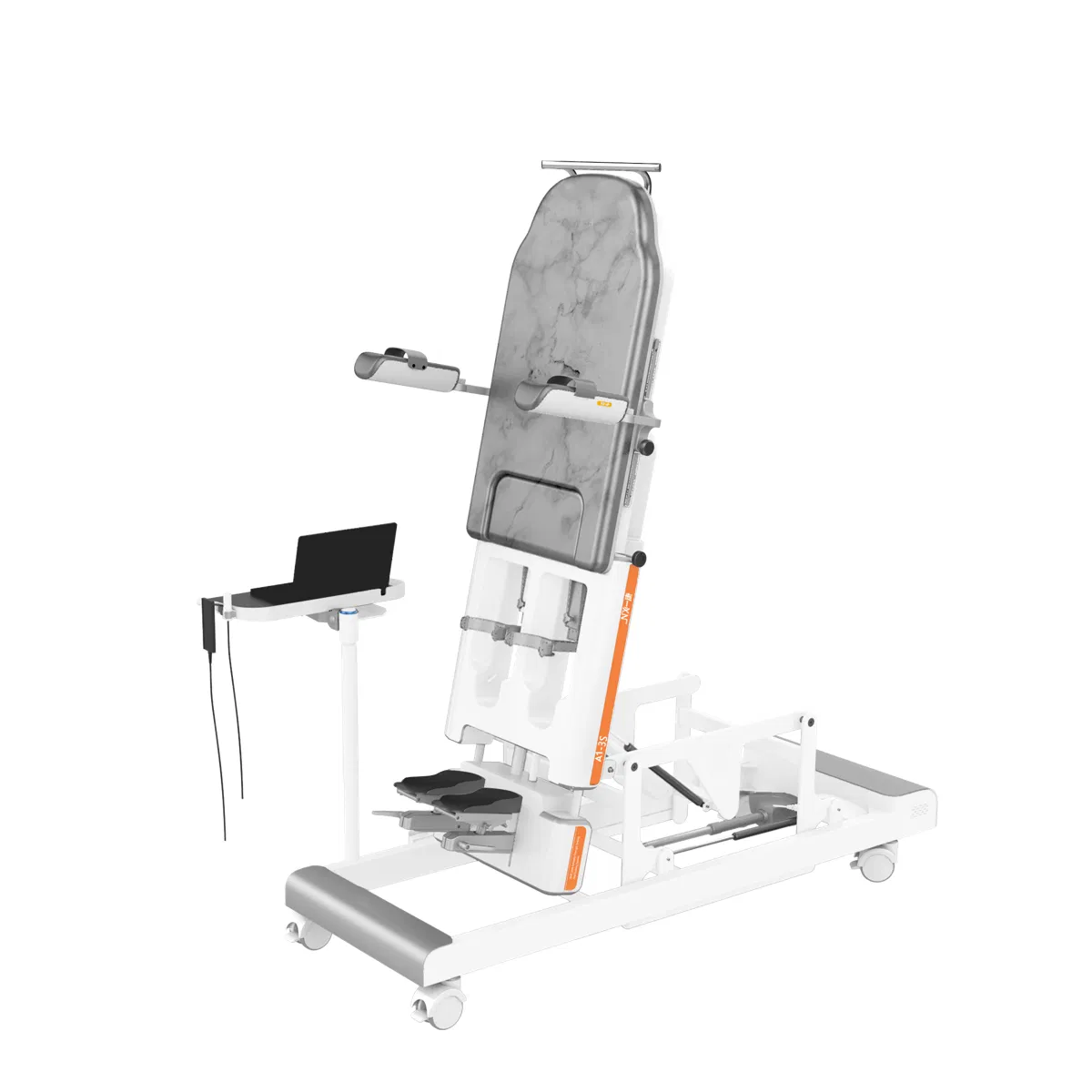
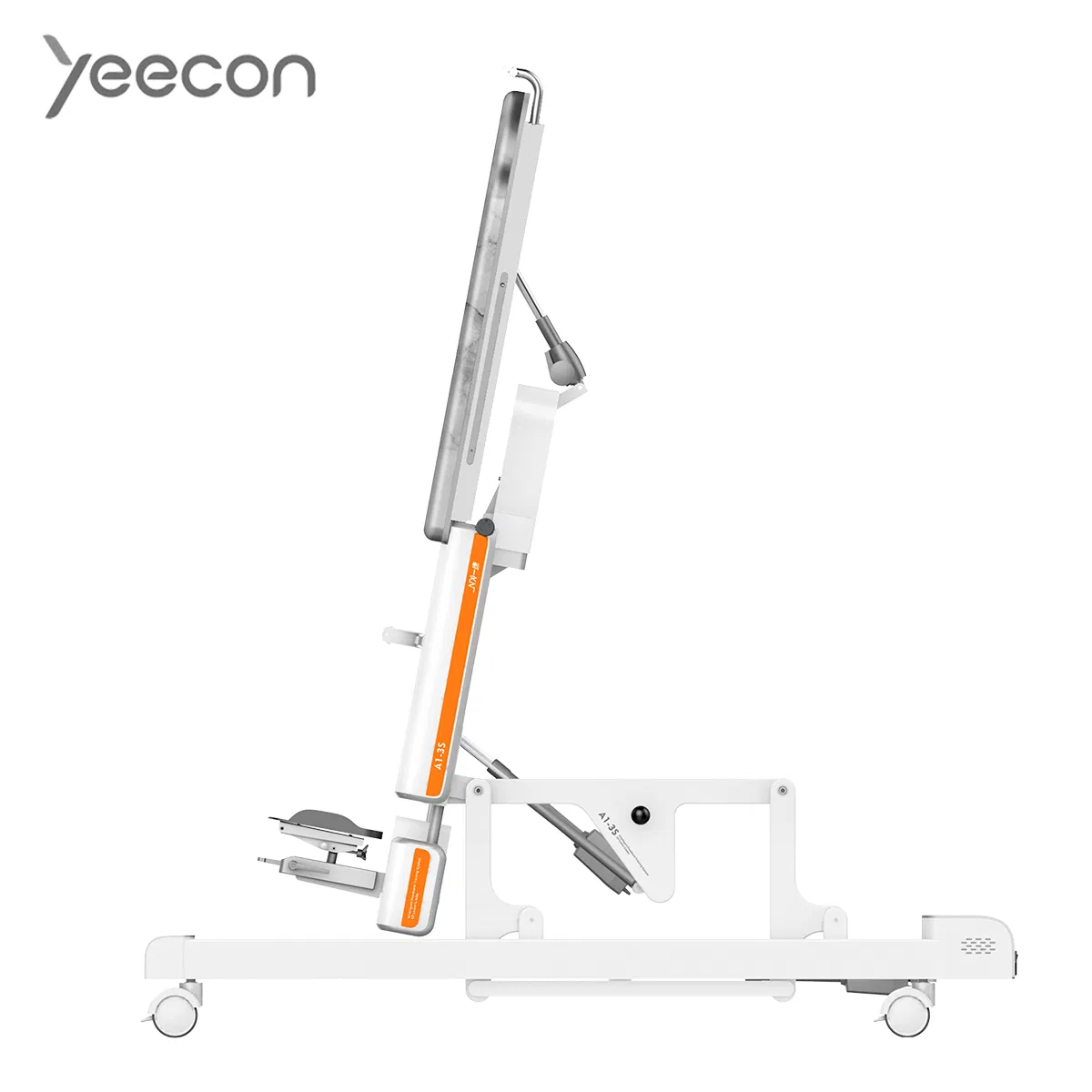
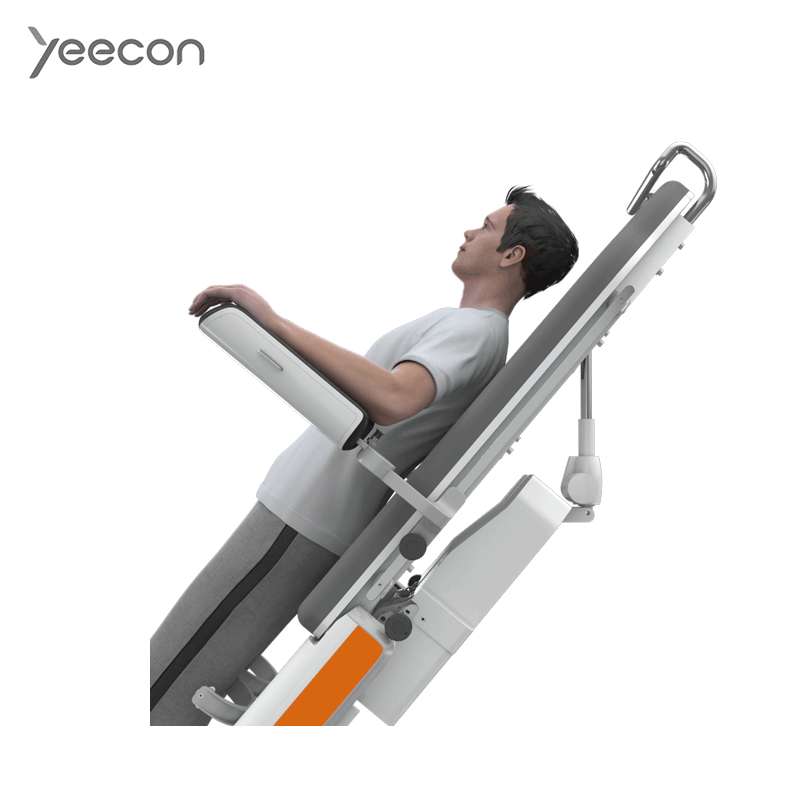
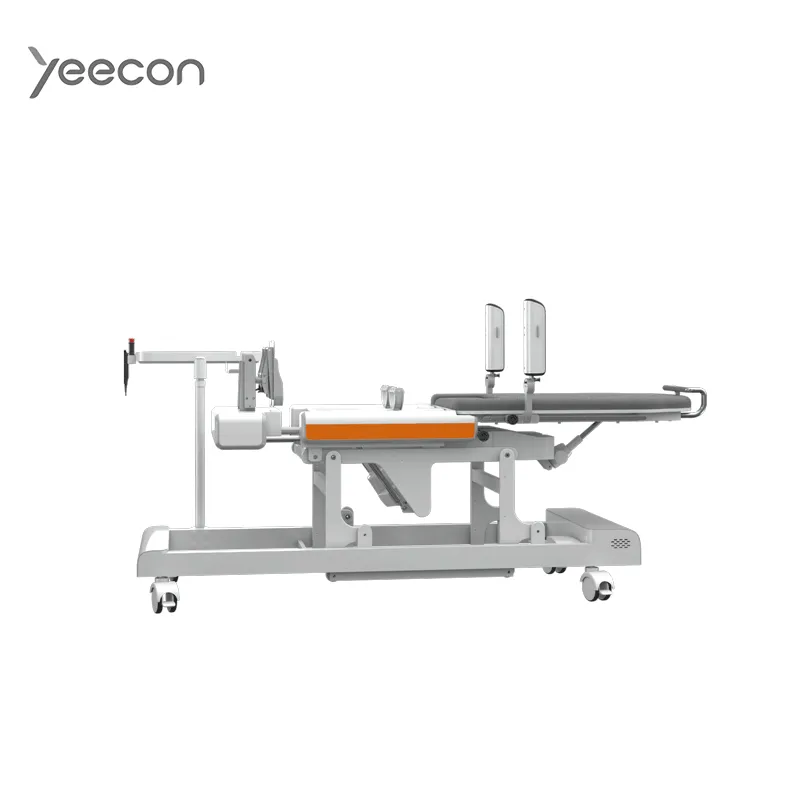
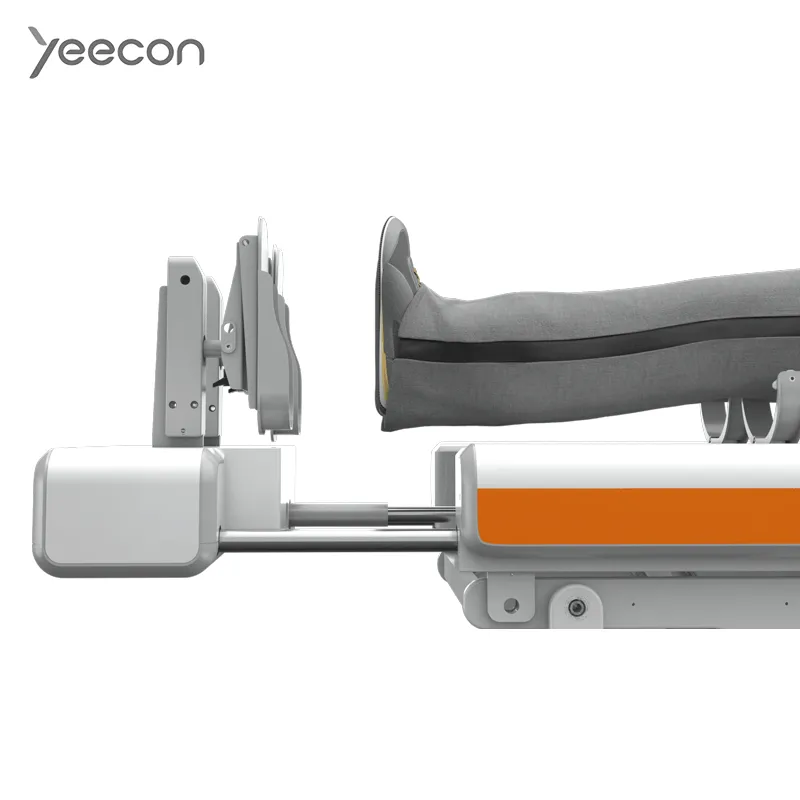
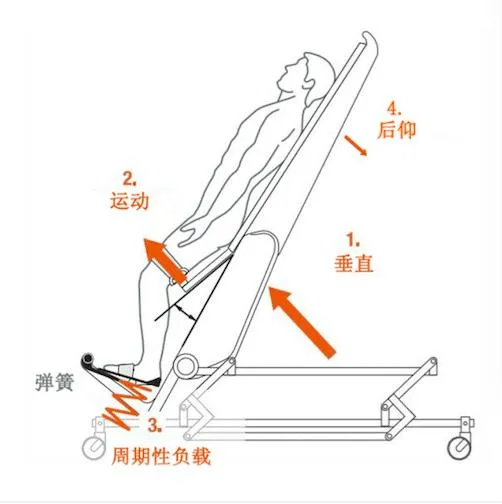
Robotic Tilt Tables for Adult A1-3 uses a new rehabilitation concept to overcome the shortcomings of traditional training. It changes the patient's position under a suspension state with binding. Helped by the tilt table, patients perform stepping training that simulates normal physiological gait, helping to restore walking ability and suppress abnormal gait.
The A1-3 is particularly suitable for patients suffering from nervous system disorders related to stroke, traumatic brain injury, or incomplete spinal cord injuries, especially in the early stages of rehabilitation.
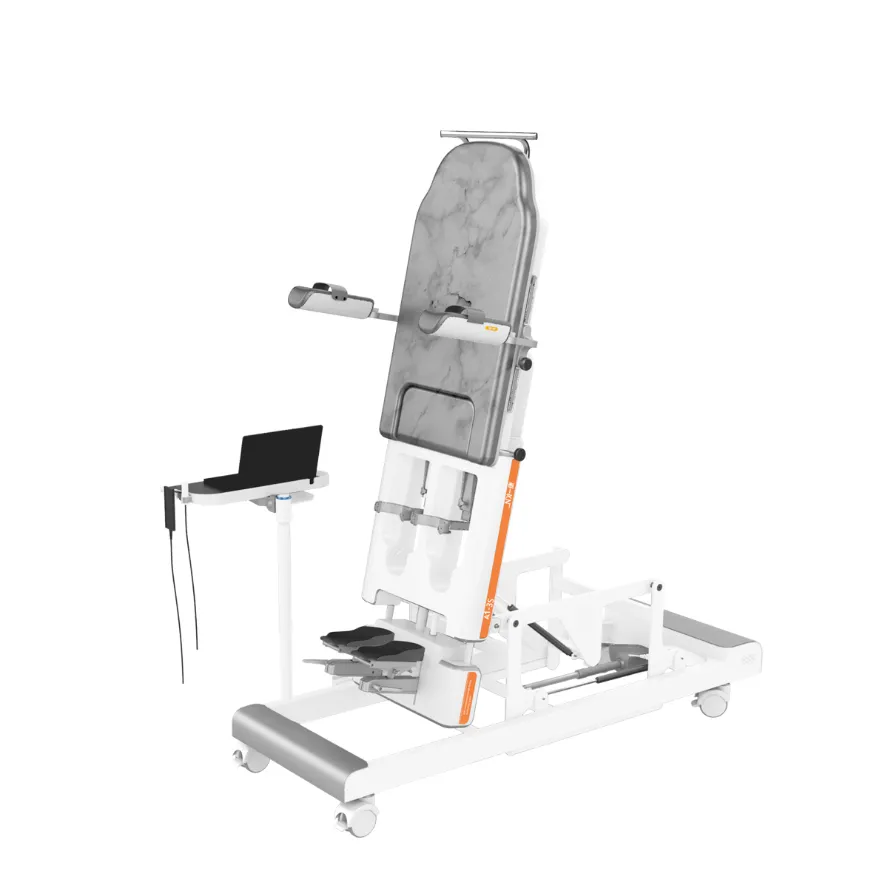
| Product Name | Robotic Tilt Table for Adult |
| Model | A1-3 |
| Speed | 0.1~3.5km/h |
| Orthostatic Standing Angle | 0-90° |
| Hip Joint Movement Angle | 0-45° |
| Bed Reclining Angle | 0-15° |
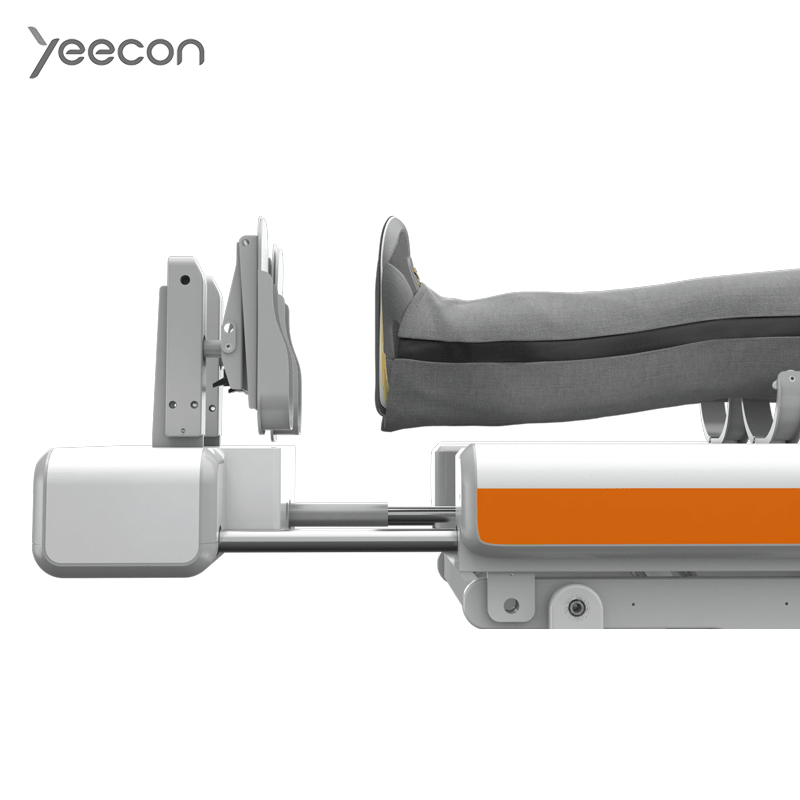
| Special Functions | Auto Leg Length Adjust/Reset, Auto Bed Reset |
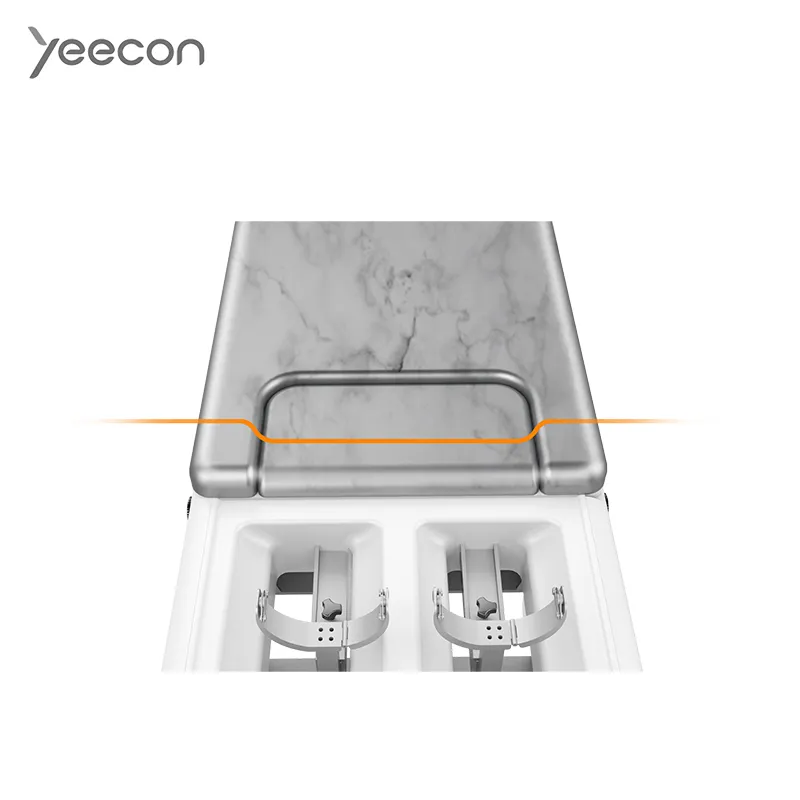
| Ergonomic Design | Lifting Pedals, Mobile Armrest, Adjustable Leg Spacing |
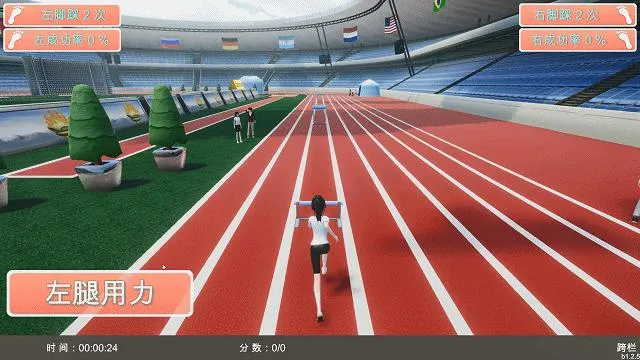
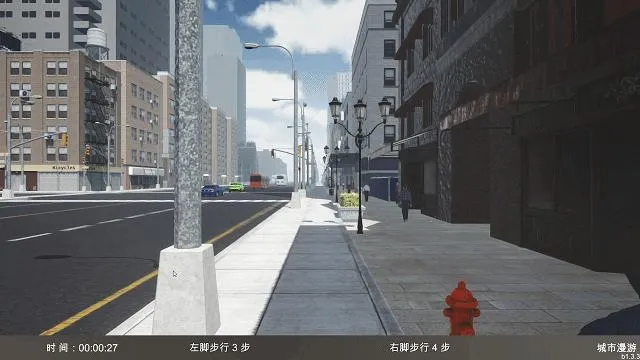
Virtual Interactive Training: 3D engine creates high-simulation exercise scenes for real-life association.
Range of Motion (ROM) Assessment: First to introduce intelligent lower limb ROM assessment, recording progress automatically.
Statistical Analysis: Automatic summaries of training data across different periods to visualize functional recovery.
Diversified Training: Supports passive exercise, scenario simulation, single leg, or alternating leg training.
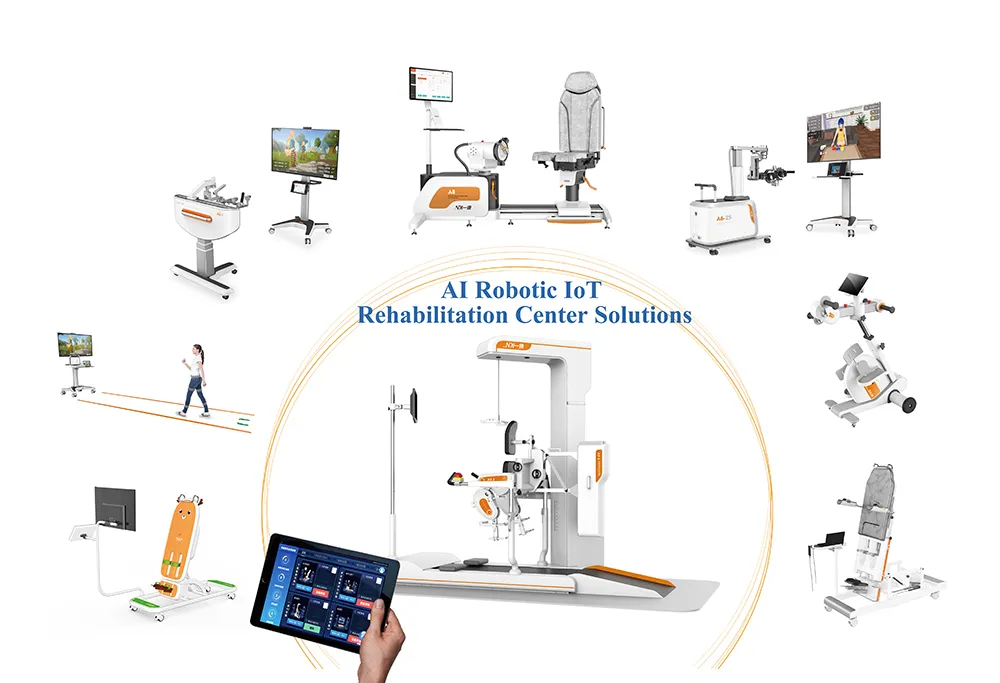
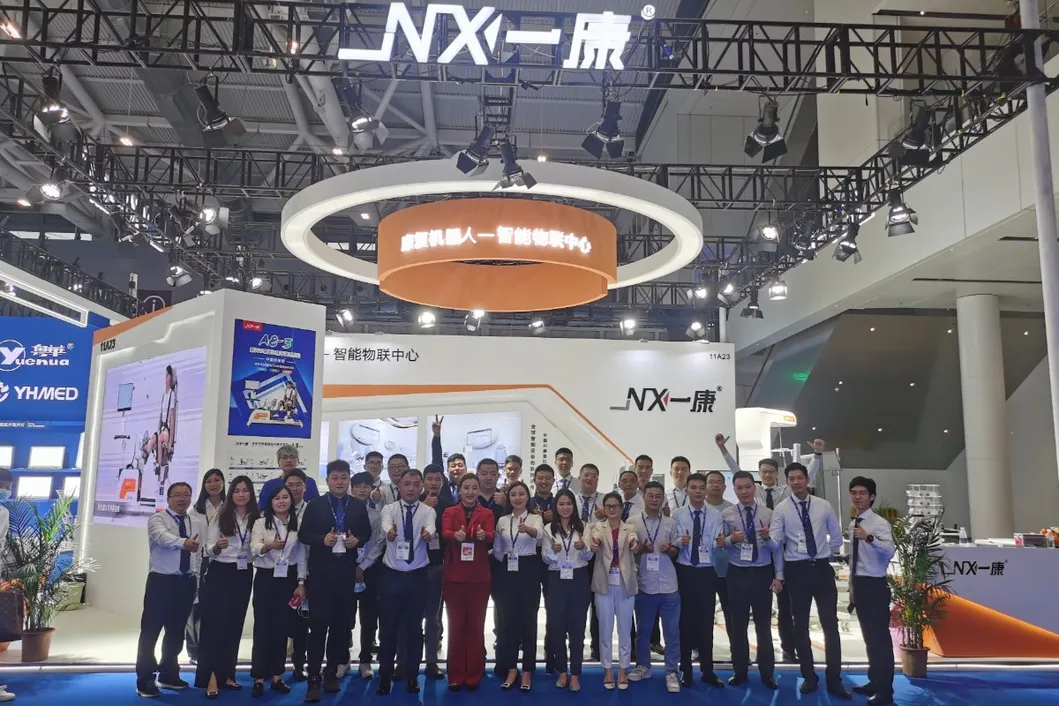
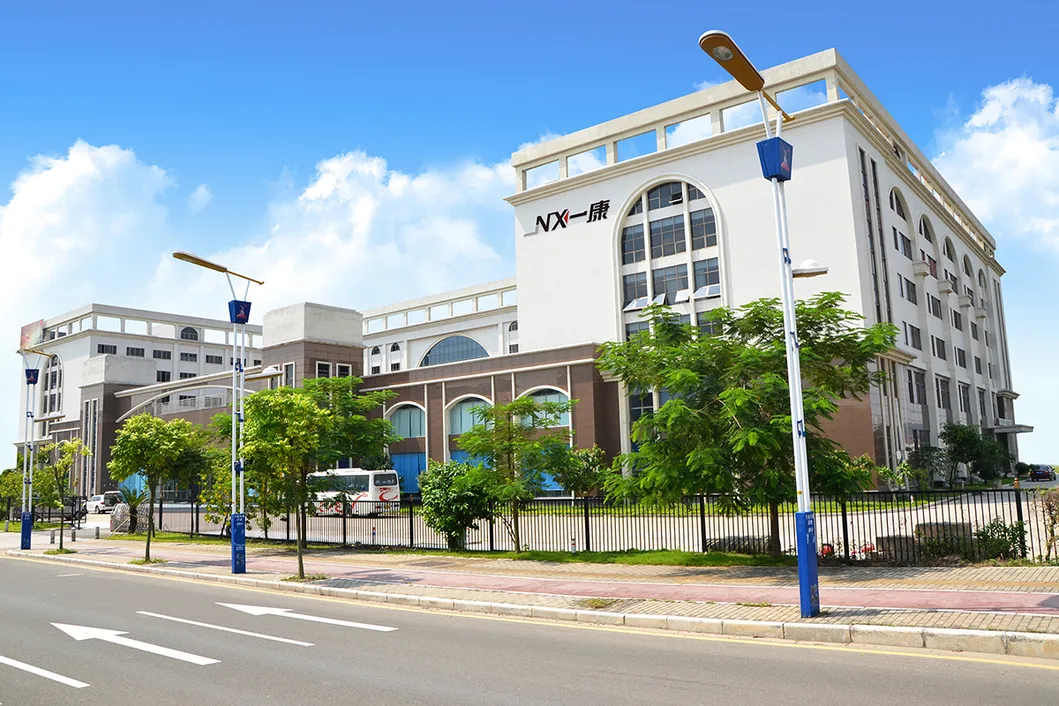
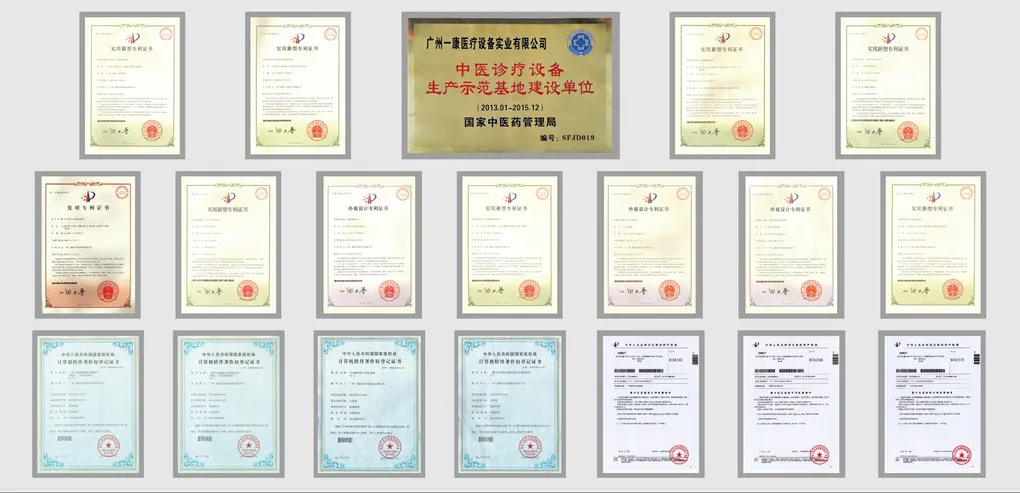
As a professional rehabilitation medical equipment manufacturer since 2000, we integrate independent research, product development, and distribution. We are pioneers in intelligent rehabilitation robotics, offering a comprehensive portfolio including physical therapy, occupational therapy, and treatment tables. We focus on providing holistic rehabilitation solutions for global healthcare centers.
A: It is designed for patients with nervous system disorders, such as stroke, traumatic brain injury (TBI), or incomplete spinal cord injuries, particularly those in the early stages of recovery.
A: By using a patented back-leaning technology and simulating a normal physiological gait during stepping training, it helps the brain relearn correct movement patterns.
A: Yes, it features exclusive automatic leg length adjustment and a one-key reset function, significantly improving service efficiency for therapists.
A: Absolutely. The system includes Range of Motion (ROM) assessment and automatic statistical analysis to visually display functional recovery over time.
A: Yes, the speed is adjustable from 0.1 to 3.5 km/h, and various training forms like passive exercise or scenario-based simulation can be selected.