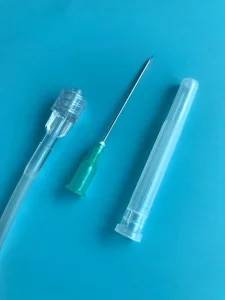
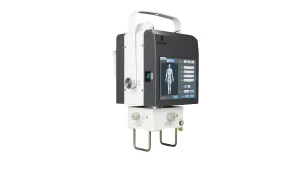
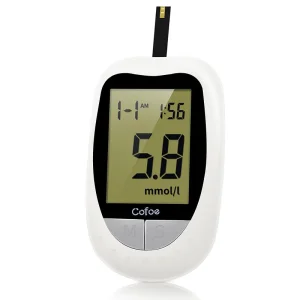
Explore our foundational range of diagnostic machinery, patient care systems, and sterile clinical consumables designed for global distribution.
Ningbo FoysMed Solutions Co., Ltd. is a professional medical equipment manufacturer specializing in rehabilitation and mobility solutions, as well as a reliable OEM supplier for global healthcare markets. The company is committed to delivering high-quality, safe, and efficient medical products that support hospitals, clinics, rehabilitation centers, and home care environments.
FoysMed offers a comprehensive range of products, including electric wheelchairs, mobility aids, rehabilitation consumables, wound care products, surgical instruments, and general medical devices. Each product is designed and manufactured in compliance with strict international quality standards, ensuring reliability, durability, and user comfort in a wide variety of medical applications.
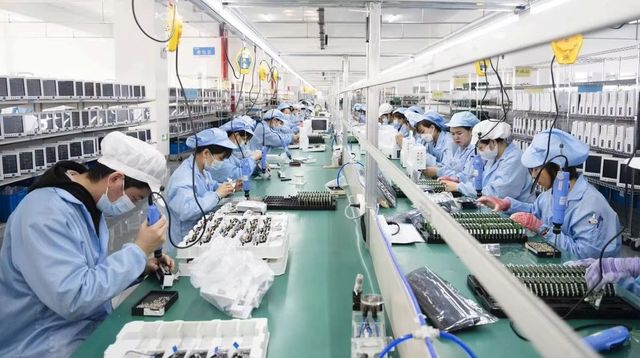
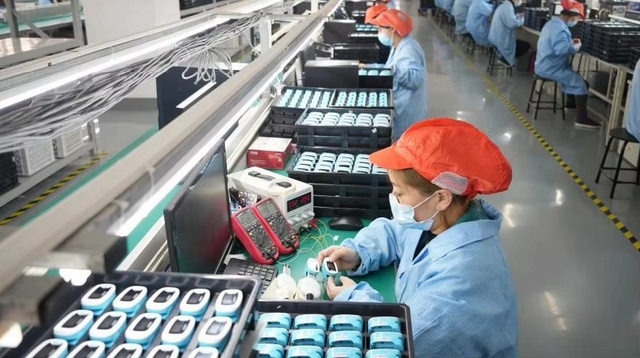
With advanced production facilities, precision manufacturing processes, and rigorous quality control systems, Ningbo FoysMed Solutions Co., Ltd. ensures consistent product performance and stable supply capabilities. The company also provides flexible OEM and ODM services, allowing clients to customize product specifications, materials, packaging, and branding to meet specific market demands.
Driven by innovation, quality, and customer satisfaction, FoysMed continues to expand its global presence. The company is dedicated to supporting healthcare providers with dependable medical equipment solutions that improve patient care, enhance rehabilitation outcomes, and contribute to a better quality of life worldwide.

An in-depth analysis of supply chain stability, macroeconomic growth patterns, regulatory demands, and technology integrations across global hospitals.
Global healthcare systems demand risk-diversified procurement pipelines. China's medical manufacturing clusters, particularly in the Zhejiang-Ningbo region, provide integrated raw material sourcing, rapid prototyping, and automated logistics networks to minimize lead times.
Navigating MDR (EU) 2017/745, FDA 510(k), and national registrations is essential. Modern manufacturing facilities implement strict cleanroom controls (Class 100,000 / ISO Class 8) and validated sterilization cycles (EO/Gamma) to secure compliant entry into global markets.
Medical consumables are shifting towards smart tracing. From integrated RFID chips in surgical instruments to Bluetooth telemetry in diagnostic radiology and mobility gear, device interoperability is transforming clinical hospital operations.
The global market for surgical supplies, diagnostics, and patient care systems is driven by an aging demographic, the growth of minimally invasive procedures, and a systemic push to lower healthcare costs without compromising patient safety. For procurement directors in hospitals and commercial distributors, this balance requires access to reliable manufacturers that offer deep vertical integration.
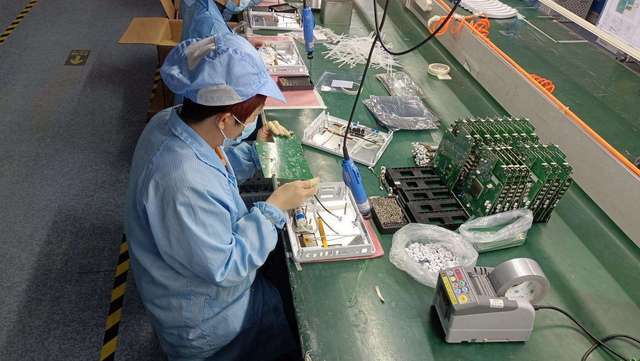
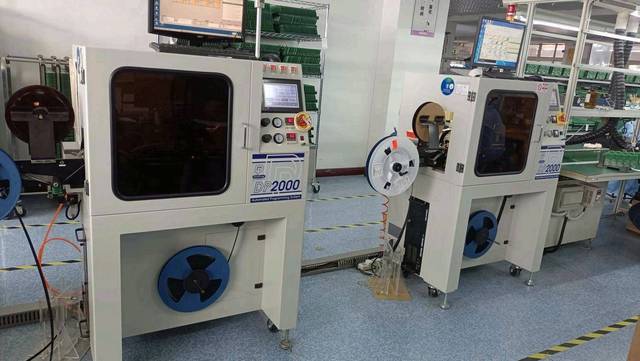
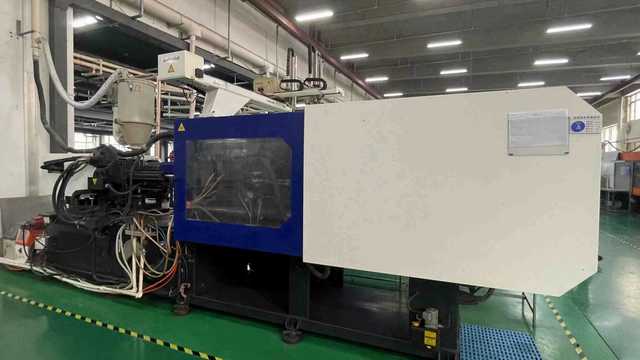
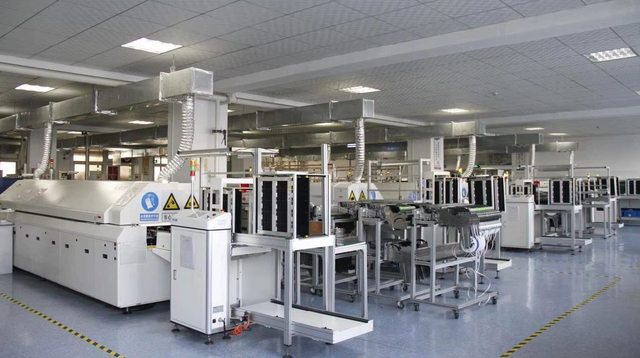
Manufacturers like Ningbo FoysMed Solutions Co., Ltd. address these requirements by leveraging specialized industrial zones. By combining raw materials procurement, high-precision injection molding, electronic component assembly, and sterilization validation in a unified footprint, modern exporters keep unit costs low while ensuring zero-defect quality control. This is the cornerstone of clinical safety, where minor defects in products such as IV sets, blood glucose sensors, or diagnostic systems can lead to severe clinical complications.
How specialized equipment and consumables adapt to distinct clinical environments and strict global standardizations.
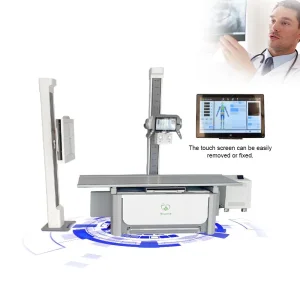
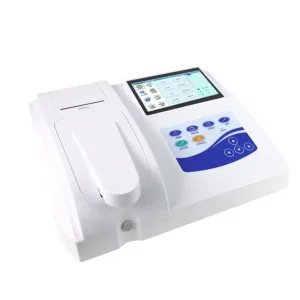
In acute care facilities, diagnostic accuracy depends heavily on equipment calibration and reliable reagents. Systems like semi-automated biochemistry analyzers and high-frequency digital X-ray machines provide high-throughput scanning and testing capabilities. Maintaining these standards requires structured OEM support, stable software configurations, and modular hardware designs that minimize clinical downtime.
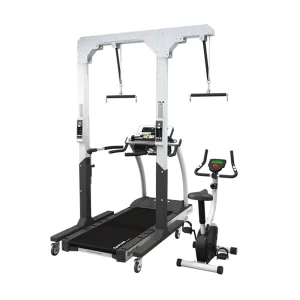
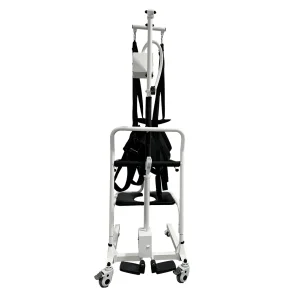
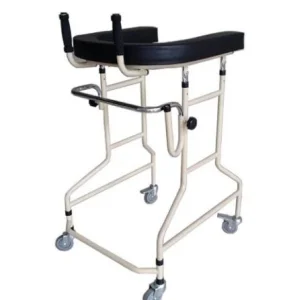
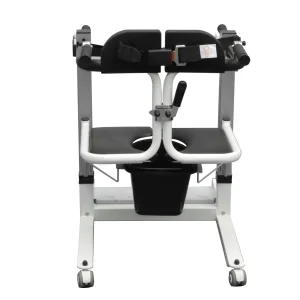
The rise in chronic age-related conditions calls for dedicated mobility aids, standing frames, and transfer hoists. For long-term care facilities, the primary goals are patient comfort and minimizing risk for caregivers. Sturdy, ergonomic frames, mechanical lift mechanisms, and modular configurations ensure these devices can be tailored to various therapeutic needs.
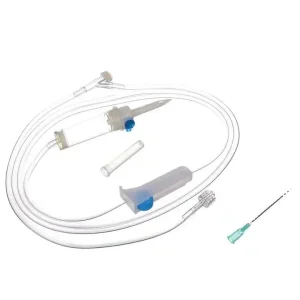
High-volume disposable items, such as IV infusion regulators and safety sets, must meet strict biocompatibility standards (ISO 10993). In tandem, hospitals require reliable medical waste treatment, including advanced microwave sterilization systems, to process contaminated sharps and clinical waste safely on-site.
Decentralized healthcare relies on intuitive, home-use devices. Portable oxygen concentrators and digital blood glucose meters allow patients to manage chronic conditions independently, reducing hospital readmission rates and relieving pressure on primary care networks.
A look at the key technologies and innovations shaping the future of global medical devices.
Next-generation electric wheelchairs and patient hoists are adopting IoT technology. By integrating gyroscope telemetry, battery management systems, and wireless reporting, fleet operators in clinics can monitor device location, wear-and-tear, and usage patterns in real-time.
As hospitals push to reduce plastic waste, researchers and manufacturers are developing biodegradable polymers for disposable IV lines, syringes, and clinical packaging. This shift aims to reduce carbon footprints without compromising sterility or chemical resistance.
Semi-automatic biochemistry systems and digital X-ray units are increasingly paired with AI-driven software. These tools analyze optical density and imaging files to highlight potential anomalies, helping radiologists and pathologists work faster and with greater confidence.
Traditional steam autoclaves and chemical disposal systems are being replaced by modular, on-site microwave sterilization units. These systems neutralize pathogens safely while consuming less energy and eliminating the need to transport hazardous medical waste.
Crucial commercial and regulatory insights for hospital procurement officers, distributors, and global trade partners.
Our manufacturing facilities and partner factories conform to ISO 13485 quality management systems. Individual product ranges hold relevant CE markings, FDA registrations, or specific national medical device clearances. Contact our sales engineering team to request the documentation packet for your target market.
Clients can customize dimensions, physical specifications, materials (such as medical-grade PVC or TPU), packaging designs, and branding. We conduct structural mockups, mold trials, and biocompatibility evaluations before initiating commercial production.
MOQs depend on the product category. High-volume consumables, like sterile IV sets, typically require larger runs to optimize automated assembly and EO sterilization cycles. Diagnostic systems and mobility devices have lower MOQs. Standard production timelines range between 30 and 45 days after deposit and design approval.
Disposable items are sterilized using validated Ethylene Oxide (EO) or Gamma radiation processes in compliance with ISO 11135 or ISO 11137 standards. Every shipment includes a sterilization certificate detailing chemical indicators, biological challenges, and aeration parameters.
Explore our targeted selection of clinical diagnostic tools, mobility systems, and dental clinical components.
 FoysMed Solutions