Top Ways to Improve Mobility for Disabled Patients?

Time:2026-10-17 Author:Mason
0%

Improving mobility for disabled patients requires more than prescribing a wheelchair or recommending daily exercise. It requires listening carefully, assessing risks, and adapting care to each person’s abilities, environment, and goals. The World Health Organization (WHO) estimates that 1.3 billion people experience significant disability worldwide. Many face barriers in homes, clinics, workplaces, and public transport. A narrow doorway or poorly fitted cushion can turn a simple transfer into a painful, unsafe task.

Evidence also shows a growing need for practical mobility support. The WHO and UNICEF Global Report on Assistive Technology (2022) reports that more than 2.5 billion people need at least one assistive product. This number may reach 3.5 billion by 2050. Physical therapists, occupational therapists, rehabilitation physicians, nurses, and caregivers each contribute valuable expertise. Their shared assessments can guide strength training, balance practice, wheelchair positioning, walking aids, home modifications, and fatigue management.

Small changes matter.

A therapist might adjust a walker’s height, remove a loose rug, or teach safer bed-to-chair transfers. However, how to improve mobility for disabled patients cannot be answered with one universal program. Diagnosis, pain, cognition, endurance, personal priorities, and available support all influence outcomes. Some plans will need revision. That is not failure; it is responsible care. Progress may mean walking farther, transferring with less assistance, or moving confidently through a familiar kitchen. This guide examines evidence-informed strategies while recognizing an important limitation: access to trained professionals and assistive technology remains unequal across communities.
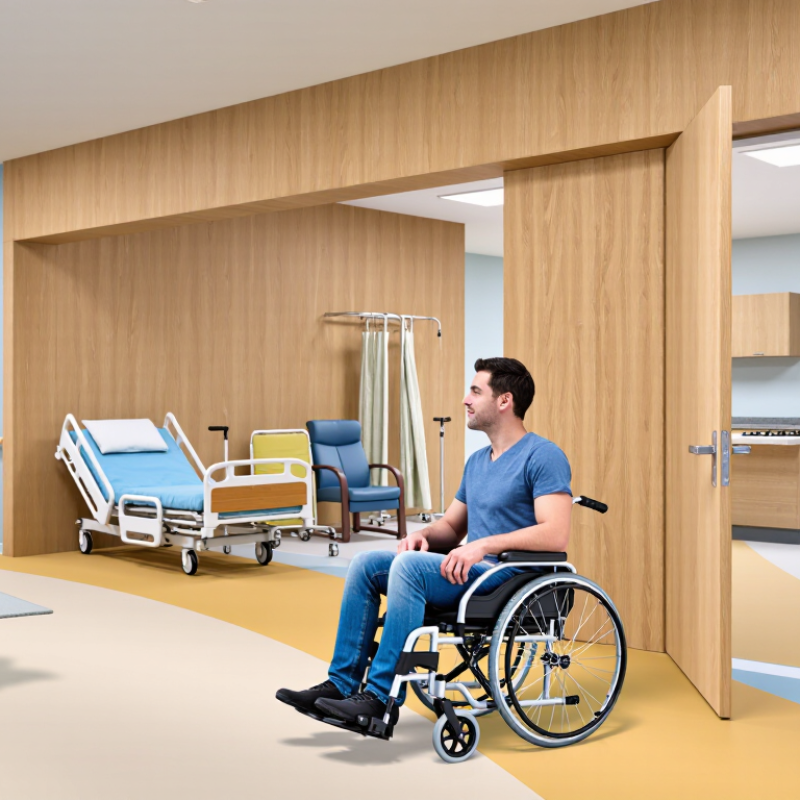
Top Ways to Improve Mobility for Disabled Patients?

Assessing Mobility Needs and Setting Personalized Goals

Improving mobility begins with understanding the person, not simply measuring walking distance. A physical therapist may observe transfers, balance, strength, pain, fatigue, and confidence during daily tasks. Ask how the patient moves at home, work, and in public spaces. A hallway test can miss the difficulty of turning beside a crowded bed. Include communication preferences, medication effects, vision, and the need for assistance. Safety matters, but independence matters too.

Goals should be specific, meaningful, and chosen with the patient. “Walk better” is too vague.

“Stand from the kitchen chair and reach the sink twice each morning” is measurable.

Another person may value wheeling independently to a bus stop, using stairs with a rail, or reducing rest breaks. Record distance, time, pain, perceived effort, and help required. Keep the measure simple. Review progress weekly or as health changes. A goal that feels easy may build confidence, while repeated exhaustion signals the need for adjustment.

Assessment is not perfect. Fear, poor sleep, or an unfamiliar clinic can distort performance. I would reassess in the patient’s usual environment when possible.

Collaborate with rehabilitation professionals to test pacing, transfer techniques, strengthening, stretching, and suitable mobility equipment. Teach caregivers how to assist without pulling or rushing. Recheck skin comfort, posture, and fall risk after changes.

Progress may look small: one safer transfer, fewer pauses, or five extra minutes of participation. That still counts.

Choosing Appropriate Mobility Aids and Assistive Devices

Top Ways to Improve Mobility for Disabled Patients?

Choosing an appropriate mobility aid begins with a functional assessment, not a product catalogue. A physical or occupational therapist should examine strength, balance, vision, pain, home layout, and daily routines. A cane may support one-sided weakness, while a walker may offer safer weight distribution. Wheelchairs require careful attention to seat width, posture, pressure relief, and propulsion ability.

The WHO and UNICEF Global Report on Assistive Technology (2022) estimates that 2.5 billion people need at least one assistive product. This figure may reach 3.5 billion by 2050. Access alone is not enough. Poor fitting can increase fatigue, falls, or shoulder strain.

Tips: Let the patient test the device on real surfaces, including thresholds and wet floors. Adjust handle height with professional guidance. Check brakes, tips, wheels, and cushions regularly. Teach transfers beside a stable surface. Reassess after illness, surgery, or weight change. Small details matter.

A device should match the person’s goals, not only their diagnosis. Someone may need a lightweight chair outdoors but stronger indoor support. Caregivers should ask whether the aid fits transport, storage, and personal confidence.

The CDC reports that falls are a leading cause of injury among older adults, but fall prevention cannot rely on equipment alone. Lighting, footwear, strength training, and medication review also matter.

No fitting plan is perfect. Real homes are uneven, budgets are limited, and users may reject equipment that feels embarrassing. Regular review keeps the plan practical, respectful, and safer.

Building Strength, Balance, Flexibility, and Endurance

Improving mobility for disabled patients starts with an individualized plan. A qualified physical therapist should assess strength, joint movement, pain, fatigue, and fall risk. Exercises must match the person’s abilities, equipment, and daily goals. For someone using a wheelchair, strength training may focus on the shoulders, arms, and core. For someone walking, supported sit-to-stands can build leg power. Use slow, controlled movements. Quality matters more than quantity.

Balance training should happen near a stable surface, such as a countertop or parallel bars. A patient might practice shifting weight, reaching for a cup, or standing with one hand supported. Flexibility work can include gentle calf, hip, shoulder, and wrist stretches. Hold each stretch comfortably, without forcing a joint. Small gains count. Pain, dizziness, or unusual weakness requires stopping and seeking professional advice.

Endurance can develop through short bouts of walking, wheeling, seated marching, or aquatic movement. Begin with a few minutes, then add time gradually when recovery feels manageable. A simple fatigue diary can reveal useful patterns, including delayed symptoms after exercise. Some days are worse. That is normal. Progress is rarely tidy, and a routine may need frequent adjustment. Rest is part of training, not a failure. Regular clinical review helps keep the program safe, practical, and connected to real-life tasks.

Improving Safety Through Home and Community Accessibility

Top Ways to Improve Mobility for Disabled Patients

Improving Safety Through Home and Community Accessibility

Safer mobility begins with observing real routines, not just measuring strength. A trained occupational therapist can assess transfers, turning space, lighting, and fatigue. Clear pathways reduce collisions with furniture and loose cords. Non-slip flooring, grab rails, and stable seating can support safer movement. Rails must be professionally positioned; poorly placed supports can increase falls.

Small changes matter. Keep frequently used items between waist and shoulder height. Add bright lighting near steps, entrances, and bathrooms. Mark uneven thresholds with high-contrast tape. In the community, accessible routes need more than a ramp. Check curb cuts, crossing times, elevator access, rest areas, and pavement condition. A route that looks accessible online may contain a blocked sidewalk or a heavy door. Call ahead when possible, but verify conditions in person.

Ask the patient what feels unsafe. Their experience may reveal problems a checklist misses. Practice transfers and emergency plans with a physiotherapist or another qualified clinician. Review mobility aids regularly, especially after pain, surgery, or changes in balance. No plan is perfect. A rail can help one person and obstruct another. Families may also need to rethink “independence”; safe assistance is not failure. Document changes, reassess them, and involve the patient in every decision.

Maintaining Progress with Therapy, Practice, and Ongoing Support

Top Ways to Improve Mobility for Disabled Patients

Improving mobility begins with a plan shaped around the patient’s abilities, goals, and daily environment. Therapy works best when exercises connect to real tasks, such as standing from a kitchen chair or reaching a bathroom safely. A licensed physical or occupational therapist can assess strength, balance, pain, and movement patterns. Their guidance reduces avoidable strain and supports safer practice. Small goals matter. Progress is rarely tidy. Some days feel slower than expected, and that is useful information, not failure.

Tips: Practice for short periods, then rest before exhaustion begins. Repeat safe movements consistently, even when improvement seems invisible. Keep a simple record of distance, repetitions, pain, and confidence. Use prescribed mobility aids correctly. Check the floor for loose rugs, poor lighting, or clutter. A family member can observe, but should not pull or lift without professional instruction.

Ongoing support helps maintain gains after formal sessions end. Regular check-ins allow clinicians to adjust exercises when pain, fatigue, or balance changes. Caregivers should encourage independence while remaining nearby during risky tasks. Honest feedback is essential. Say, “The stairs felt unsafe,” or “I needed two rests.” That detail can change the therapy plan. Recovery may require patience, and some advice may need revision. I have seen routines fail when they were too ambitious. A slower, realistic schedule often lasts longer. Consistent practice at home can make transfers, walking, and daily activities feel more manageable.

FAQS

How should a person choose a suitable mobility aid?

Begin with a functional assessment by a qualified therapist. Consider strength, balance, vision, pain, home layout, and routines. A diagnosis alone is not enough.

When might a cane or walker be useful?

A cane may help with one-sided weakness. A walker can distribute weight more evenly. The person should test the aid on thresholds and wet floors.

What should be checked when fitting a wheelchair?

Check seat width, posture, pressure relief, and propulsion ability. Poor fitting can cause fatigue, falls, or shoulder strain. Small details matter.

How can a home become safer for mobility?

Clear loose cords, clutter, and unstable furniture from walking paths. Improve lighting near steps and bathrooms. Add professionally positioned rails when appropriate.

Are ramps enough for accessible community travel?

Not always. Check curb cuts, crossing times, elevators, rest areas, pavement, and door weight. An online route may still contain a blocked sidewalk.

How can therapy improve everyday mobility?

Practice tasks linked to daily life, such as standing from a kitchen chair. Use short sessions and rest before exhaustion. Progress is rarely tidy.

How should caregivers support safe independence?

Stay nearby during risky tasks, but avoid pulling or lifting without professional instruction. Ask what feels unsafe. The patient’s experience may reveal hidden hazards.

When should a mobility plan be reviewed?

Review it after illness, surgery, pain changes, weight changes, or worsening balance. Track distance, repetitions, pain, and confidence. A perfect plan does not exist.

What should someone do if progress seems slow?

Continue safe, consistent practice and report setbacks honestly. A slower schedule may last longer. Some advice may need revision. That is not failure.

Conclusion

Improving mobility for disabled patients begins with understanding each person’s physical abilities, daily challenges, preferences, and personal goals. A thoughtful assessment can guide the selection of suitable mobility aids and assistive devices, helping individuals move more confidently and participate in everyday activities. Personalized goals should be realistic, measurable, and adjusted as progress develops.

A well-rounded mobility plan may include exercises to build strength, improve balance, increase flexibility, and support endurance. Safety is equally important, so homes and community environments should be arranged to reduce obstacles and make movement more accessible. Regular therapy, practical movement training, consistent practice, and encouragement from caregivers or support professionals can help maintain progress over time. By combining individualized planning with safe environments and ongoing support, people can explore how to improve mobility for disabled patients while promoting greater independence, comfort, and quality of life.

Mason

Mason

Mason is a seasoned marketing professional with a deep expertise in the company's offerings and a passion for driving brand awareness. With a strong background in digital marketing strategies, he has an innate ability to connect with diverse audiences and effectively communicate product benefits.......