Recovery is not only about closing a wound. It is about restoring movement, comfort, confidence, and daily independence. So, what is the importance of wound care in recovery? Careful assessment can identify infection, poor circulation, pressure, or delayed healing before complications become severe. A clean dressing, protected skin, and regular review can change the recovery path. Sometimes, small details matter most, such as a damp bandage against fragile skin.
The International Diabetes Federation’s IDF Diabetes Atlas estimates that 537 million adults lived with diabetes in 2021. Diabetes can reduce sensation and circulation, making minor foot injuries difficult to notice and slower to heal. The World Health Organization also identifies diabetes-related complications as a major global health concern. These figures show the scale, but they do not describe every patient’s pain, anxiety, or missed work. That gap deserves more attention.
Keith Harding, a leading wound-care clinician and researcher, has stated, “Wound care is a global problem, and we need to find global solutions.” His observation supports a practical truth: recovery needs coordinated, evidence-based care. Nurses, physicians, patients, and caregivers must share information about drainage, odor, swelling, temperature, and pain. A wound can look better while deeper tissue remains vulnerable. I may be simplifying a complex process, but consistent monitoring remains one of the safest foundations for healing. The following sections examine the clinical, emotional, and economic importance of wound care during recovery.
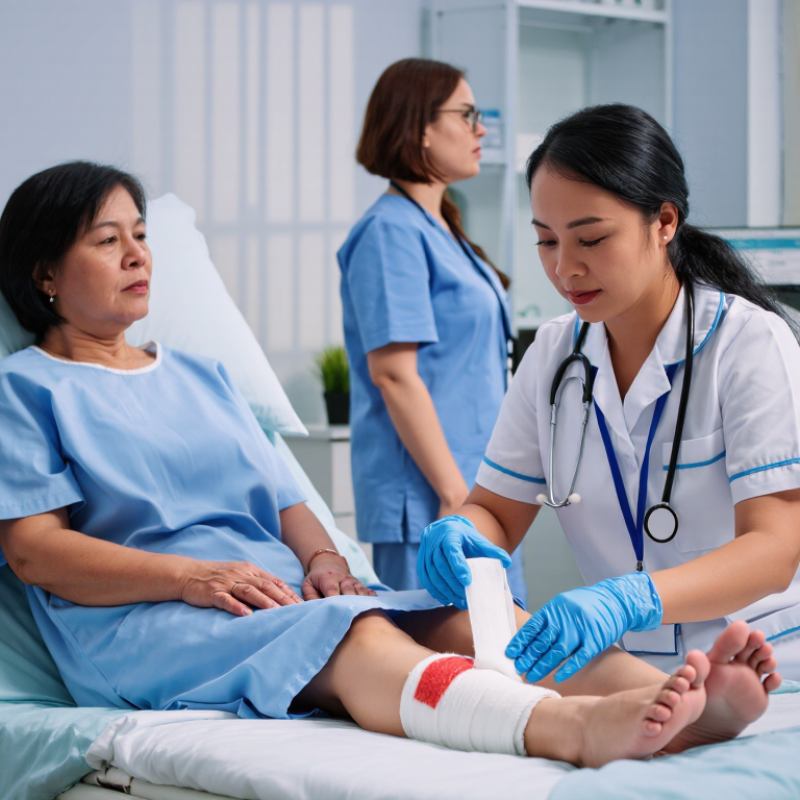
Wound care during recovery means protecting new tissue while the body rebuilds strength. It is not only dressing changes. It includes hand hygiene, gentle cleaning, moisture control, pain observation, nutrition, and timely clinical review. A clean dressing does not guarantee healing. Swelling, increasing warmth, spreading redness, pus, fever, or a sudden odor may signal infection. These changes need professional assessment, not guesswork.
The World Health Organization’s Global Guidelines for the Prevention of Surgical Site Infection report that surgical-site infections affect about 11% of surgical patients in low- and middle-income countries. In high-income countries, they still occur after roughly 2% to 5% of inpatient surgery. These figures show why small daily actions matter. Wash hands before touching the wound. Keep the area protected as instructed. Do not apply alcohol, powders, or unapproved creams. Follow the clinician’s schedule, even when the wound looks better.
Diabetes can make recovery harder. The International Diabetes Federation estimated 537 million adults were living with diabetes in 2021. Poor glucose control may slow tissue repair and increase infection risk. A practical recovery plan should include protein-rich meals, adequate fluids, gentle movement when permitted, and medication adherence. Recovery is rarely tidy. People may change dressings too often, overlook drainage, or delay help because pain seems manageable. That hesitation deserves reflection. When instructions are unclear, asking a nurse or clinician is safer than improvising.
Proper wound care supports healing by protecting new tissue from repeated injury. Clean your hands before every dressing change. Gently rinse the wound as directed by a healthcare professional. Harsh scrubbing can disturb fragile cells. The goal is cleanliness, not pain. A suitable dressing helps control moisture and absorb excess fluid. Dry, cracked tissue may heal slowly, while excessive moisture can soften nearby skin.
Healing also depends on blood flow, adequate protein, hydration, and rest. Follow the care plan, especially after surgery or a deep injury. Do not remove stitches, scabs, or medical packing without professional instructions. Check the wound daily in good light. Increasing redness, warmth, swelling, pus, fever, or worsening pain requires prompt medical advice. Red streaks need urgent attention. A wound can look better before it becomes strong.
Care is rarely perfect. A dressing may loosen, or cleaning may feel uncomfortable. Notice what happened and ask a qualified clinician for guidance rather than guessing. People with diabetes, poor circulation, or weakened immunity may need closer monitoring. Keeping a simple record of drainage, pain, and skin changes can reveal gradual problems. Small habits matter. Yet even careful routines cannot replace medical assessment when healing slows or the wound changes unexpectedly.
| Healing Dimension | Typical Timing | Recommended Wound-Care Practice | How It Supports Recovery | What to Monitor |
|---|---|---|---|---|
| Hemostasis | Immediately after injury to several hours | Apply gentle, steady pressure with clean gauze or a clean cloth to control minor bleeding. | Helps stabilize the wound and supports formation of the initial blood clot. | Seek urgent medical care for bleeding that is heavy, spurting, or does not stop with sustained pressure. |
| Inflammatory response | Usually begins immediately and may last several days | Wash hands before care, gently rinse the wound with clean running water, and remove visible dirt without aggressive scrubbing. | Reduces surface contamination while protecting fragile tissue involved in early repair. | Mild redness and swelling can occur early; spreading redness, worsening pain, pus, fever, or red streaks require medical assessment. |
| Proliferation and tissue formation | Often starts around day 3 and may continue for several weeks | Keep the wound slightly moist with an appropriate dressing and protect it from friction, dirt, and repeated trauma. | A balanced moist environment can support epithelial cell migration and reduce scab-related cracking. | Healthy progress generally includes gradual closure and less drainage; increasing drainage or wound separation is concerning. |
| Collagen remodeling | Begins within weeks and may continue for months or longer | Protect newly healed skin from unnecessary tension and use sun protection once the surface has closed. | Allows scar tissue to gradually strengthen and may help reduce discoloration caused by ultraviolet exposure. | Persistent pain, reopening, excessive thickening, or functional restriction should be reviewed by a healthcare professional. |
| Infection prevention | Throughout the healing period | Change dressings when wet, dirty, or according to clinical instructions; avoid touching the wound with unwashed hands. | Limits exposure to microorganisms and helps maintain a clean environment for tissue repair. | Watch for worsening warmth, swelling, tenderness, foul odor, pus, fever, or rapidly spreading redness. |
| Tissue protection | During initial closure and early strengthening | Use a suitable dressing, avoid picking at scabs, and limit stretching or pressure on the injured area. | Reduces mechanical disruption that can delay closure and increase scar formation. | Monitor for bleeding after activity, new gaps in the wound, or increasing discomfort with movement. |
| Nutrition and hydration | Throughout recovery | Maintain adequate fluids and a balanced diet containing sufficient energy, protein, vitamins, and minerals. | Provides materials and energy needed for collagen production, immune activity, and new tissue formation. | Poor appetite, unintended weight loss, or slow healing may warrant professional nutritional guidance. |
| Blood-flow and health factors | Throughout recovery | Follow instructions for activity, manage diabetes if applicable, avoid smoking, and take prescribed medicines as directed. | Good circulation and controlled health conditions improve oxygen and nutrient delivery to repairing tissue. | People with diabetes, poor circulation, immune suppression, or large or deep wounds may need closer follow-up. |
| When professional care is needed | As soon as a serious concern appears | Obtain medical evaluation for deep or gaping wounds, animal or human bites, embedded objects, severe burns, numbness, loss of movement, or uncontrolled bleeding. | Early assessment can support appropriate closure, infection prevention, pain control, and evaluation of tetanus protection. | Do not delay care when the wound is worsening or when the person has significant medical risk factors. |
When wounds are not managed correctly, healing can slow or stop. Dirt, bacteria, or repeated friction may enter the damaged tissue. The area can become red, swollen, warm, and painful. Sometimes, pus or an unpleasant smell appears. Infection may spread beyond the wound, especially in people with diabetes or poor circulation. Do not ignore these changes.
Small mistakes matter. Covering a wound too tightly can reduce circulation. Changing a dressing without washing your hands can introduce bacteria. Removing a scab repeatedly may reopen fragile skin. A wound may look clean but still worsen underneath. This is easy to underestimate. Healthcare professionals assess depth, drainage, circulation, and infection risk before recommending care. Seek medical advice for spreading redness, fever, severe pain, numbness, or a wound that will not improve.
Tips: Wash your hands before and after touching the wound. Rinse gently with clean water unless a clinician advises otherwise. Keep the dressing clean and dry, and replace it when wet or dirty. Avoid alcohol, harsh chemicals, or unapproved home remedies. Check the wound each day in good light. Take a clear photo if changes are difficult to remember. When healing seems unusual, ask a qualified healthcare professional rather than waiting.
How to Understand the Importance of Wound Care in Recovery?
Monitoring a wound means checking it at the same time each day. Wash your hands before removing or changing the dressing. Look for changes in redness, swelling, warmth, drainage, and pain. Mild tenderness can occur during early healing. Pain that increases after improving deserves attention.
Healthy drainage is usually small and clear or slightly pink. Thick yellow, green, or foul-smelling fluid may indicate infection. Redness spreading beyond the wound edges is concerning. Fever, chills, unusual tiredness, or red streaks also require prompt medical advice. Do not rely only on appearance. Some infections develop beneath the skin.
Delayed healing may show as open edges, repeated bleeding, dark tissue, or little improvement after several days. Diabetes, poor circulation, smoking, certain medicines, and inadequate nutrition can slow repair. A simple record can help: note the wound size, color, pain level, drainage, and temperature. Photos may support comparison, but they cannot replace clinical assessment. Avoid picking scabs or applying unapproved substances. I have found that people often wait because the wound “does not look that bad.” That judgment can be misleading. Contact a qualified healthcare professional when symptoms worsen, healing stalls, or instructions are unclear. Emergency care is important for severe bleeding, confusion, breathing difficulty, or rapidly spreading redness.
Wound care changes as the body moves through recovery. In the first days, protection and infection prevention matter most. Wash your hands before touching the dressing. Clean the wound only as directed by a qualified healthcare professional. Keep the area protected from unnecessary friction, moisture, and pressure. Small details matter.
As the wound begins closing, care often becomes gentler. A clinician may recommend changing dressings less frequently or allowing brief air exposure. Do not remove scabs, stretch fragile skin, or apply unapproved products. Watch for spreading redness, increasing warmth, swelling, pus, worsening pain, or fever. These signs need prompt medical advice. Healing should gradually look calmer, not more irritated.
Later, the skin may appear closed while deeper tissue remains weak. Protect it from sun exposure, heavy strain, and repeated rubbing. Gradual movement can support function, but pain is useful information. Do not push through it blindly. Recovery is rarely perfectly linear. I have seen people improve, overdo activity, and reopen vulnerable skin. That setback is frustrating, yet it shows why care must change slowly. Individual wounds heal differently because of circulation, nutrition, medical conditions, and treatment type. Follow-up appointments help adjust care safely.
How Wound Care Practices Change Throughout Recovery
Wound care priorities change as healing progresses. Early care focuses on controlling bleeding, protecting the wound, reducing contamination, and monitoring inflammation. During tissue formation, the wound needs a protected, appropriately moist environment. In the remodeling phase, care emphasizes protecting fragile new tissue and monitoring scar development. The time ranges shown are broad clinical estimates: inflammation commonly lasts up to about 3 days, proliferation may continue for several weeks, and remodeling can continue for up to 12 months or longer.
Clinical note: Healing time varies according to wound size and depth, blood flow, infection, nutrition, age, and underlying conditions such as diabetes.
Healing may slow or stop. Dirt, bacteria, and repeated rubbing can enter damaged tissue. The wound may become red, warm, swollen, or painful.
Seek medical advice for spreading redness, fever, severe pain, numbness, pus, or an unpleasant smell. A wound that does not improve also needs assessment.
Wash your hands before and after touching the wound or dressing. This simple step helps reduce contamination. Small details matter.
Rinse gently with clean water unless a qualified healthcare professional advises differently. Avoid alcohol, harsh chemicals, and unapproved home remedies.
Replace it when it becomes wet or dirty. Keep the dressing clean and dry. Do not wrap it so tightly that circulation is reduced.
No. Repeatedly removing a scab can reopen fragile skin. Avoid stretching, rubbing, or picking the healing area.
Early care focuses on protection and infection prevention. Later, care may become gentler, but deeper tissue can remain weak after the skin closes.
Yes. Heavy strain, repeated rubbing, or pushing through pain may damage vulnerable tissue. I have seen people improve, overdo activity, and reopen skin. That mistake is frustrating, but useful to remember.
Understanding what is the importance of wound care in recovery helps patients protect the body’s natural healing process. Wound care involves keeping the affected area clean, protected, and appropriately supported while new tissue forms. Proper care can reduce irritation, control moisture, support tissue repair, and lower the risk of infection. It also helps prevent a minor wound from becoming more serious or delaying overall recovery.
During recovery, wounds should be monitored for increasing redness, swelling, warmth, pain, unusual drainage, unpleasant odor, or changes in the wound’s appearance. These signs may indicate infection or delayed healing and should receive timely medical attention. Wound care practices may change as healing progresses: early care often focuses on protection and cleanliness, while later care may involve maintaining healthy skin, managing scars, and gradually returning to normal activities. Consistent observation and appropriate care help support safer, smoother healing.

FoysMed Solutions