Choosing rehabilitation equipment is not simply a matter of comparing prices or selecting the newest model. The right choice can influence safety, comfort, confidence, and daily independence. A walker that feels stable in a showroom may become awkward on a narrow hallway or uneven pavement. A therapy pedal may look practical, yet its resistance could exceed a user’s strength. These small details matter.
This guide explains how to choose the right rehabilitation equipment through practical, evidence-informed considerations. It examines user needs, clinical goals, adjustability, material quality, maintenance, training, and long-term value. Dr. Rory Cooper, a leading rehabilitation engineer and wheelchair researcher, has said, “Technology should enhance independence, not create another barrier.” That principle remains useful across mobility aids, exercise devices, transfer equipment, and home therapy tools.
Look closely.
A responsible decision also requires professional assessment. Physiotherapists, occupational therapists, and rehabilitation specialists can identify posture risks, balance limitations, joint restrictions, and safe operating requirements. User experience matters too. The person using the equipment should test its height, grip, controls, and comfort whenever possible. Family members can notice practical problems, but they should not replace clinical guidance.
No checklist is perfect. Some equipment may work well at first, then feel unsuitable after strength or mobility changes. That possibility deserves honest attention. The following ten tips offer a careful starting point, not a substitute for individualized advice. The goal is simple: select equipment that supports meaningful movement, fits real living conditions, and remains safe beyond the first few sessions.
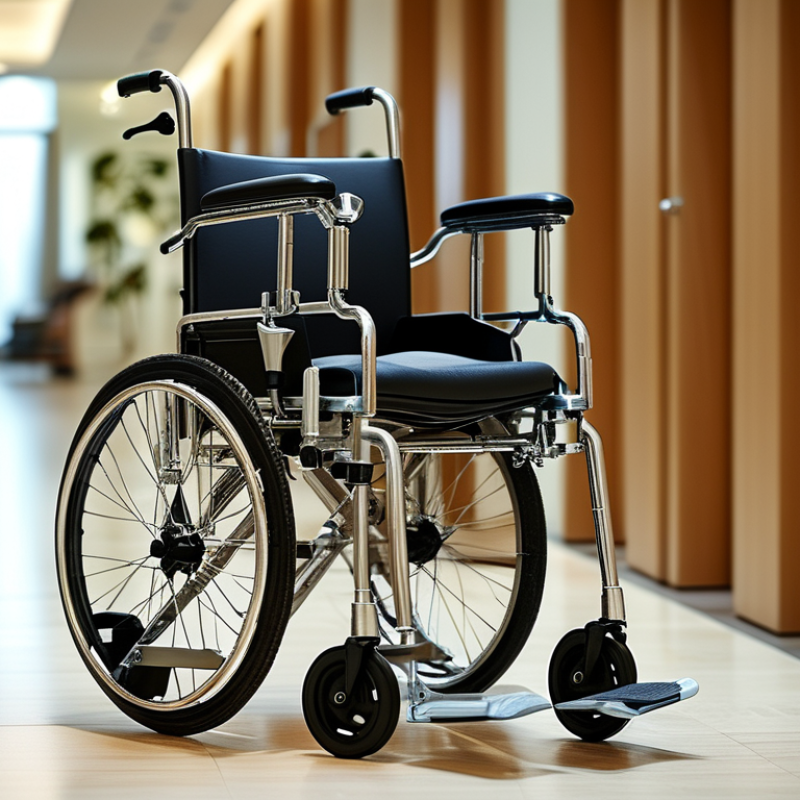
Choosing rehabilitation equipment starts with the person, not the product. Define the intended outcome in observable terms: standing for five minutes, transferring safely, or preparing a meal independently. The World Health Organization estimates that 2.4 billion people could benefit from rehabilitation worldwide (WHO, 2023). That scale hides individual differences. A person recovering from stroke may need balance support, while someone with arthritis may need joint protection and easier grips. Ask what the user can do today, what causes fatigue, and which tasks matter at home, school, or work. Keep it specific.
A qualified physiotherapist or occupational therapist should connect goals with measurable functional needs. Record strength, range of motion, pain, cognition, vision, body size, and transfer ability. Also check the environment: doorway width, floor surfaces, bathroom layout, and caregiver availability. The WHO and UNICEF Global Report on Assistive Technology (2022) reports that more than 2.5 billion people need at least one assistive product. Poor matching can turn useful equipment into an obstacle. A supportive-looking device may restrict movement or increase fall risk when adjusted incorrectly. Fit matters.
Trial equipment during real activities, not only in a showroom. Observe posture, breathing, skin pressure, reach, and confidence after ten minutes. Ask the user to explain the setup in their own words. That check can reveal hidden complexity. Goals may change. Reassess after changes in pain, strength, or balance, and document why the equipment remains appropriate. No assessment is perfect; rushed measurements and optimistic assumptions still occur. Build in a review date, caregiver feedback, and a clear maintenance and training plan.
Choosing rehabilitation equipment starts with the user, not the product. The WHO and UNICEF Global Report on Assistive Technology (2022) estimates that more than 2.5 billion people need assistive products worldwide. That demand makes careful assessment essential. Ask a physiotherapist or occupational therapist to review mobility, strength, balance, and daily surroundings. A device that works in a clinic may fail on a narrow hallway or wet bathroom floor.
Tip 1: Check safety ratings, brakes, grips, and weight limits. Tip 2: Test stability on the surfaces used at home. Tip 3: Inspect moving parts for pinch points. Tip 4: Confirm that adjustments lock firmly. ISO 14971 recommends identifying and controlling medical-device risks throughout their life cycle. Read the instructions, but do not treat them as perfect. Real users may discover hazards that laboratory tests miss.
Tip 5: Measure seat height, handle height, door widths, and turning space. Tip 6: Look for breathable padding and pressure relief. Tip 7: Ensure straps do not restrict circulation. Tip 8: Choose controls that are visible and easy to operate. Tip 9: Practice transfers before regular use. Tip 10: Recheck fit after swelling, fatigue, or weight changes. The FDA’s Home Use Devices guidance stresses user training, maintenance, and environmental factors. Comfort is not cosmetic. Pain can change posture and increase fall risk. Ease of use matters too; complicated equipment may remain unused. A short trial with professional supervision often reveals more than a sales description.
| No. | Selection Tip | What to Assess | Practical Check | Why It Matters |
|---|---|---|---|---|
| 1 | Prioritize Safety | Check structural stability, secure locking mechanisms, non-slip surfaces, rounded edges, and accessible emergency-release features where applicable. | Inspect the frame, joints, wheels, handles, straps, and fasteners before every use. Do not use equipment with cracks, looseness, or damaged padding. | A stable and well-maintained device helps reduce falls, entrapment, skin injury, and equipment-related accidents. |
| 2 | Confirm the Correct Fit | Evaluate seat width, seat depth, handle height, support points, foot placement, and clearance for the user’s body dimensions. | Compare the equipment’s adjustment range with the user’s measurements and test the final position with normal clothing and footwear. | Proper fit improves posture, balance, pressure distribution, and control during movement or transfers. |
| 3 | Check Weight Capacity | Verify the stated safe working load, including the user, clothing, accessories, bags, and any additional equipment. | Select equipment whose specified capacity exceeds the total intended load; never rely on appearance or frame size alone. | Staying within the safe working load helps preserve stability and prevents premature structural failure. |
| 4 | Evaluate Comfort | Assess padding, pressure distribution, temperature, vibration, support, and the ability to change position safely. | Use the equipment for a realistic trial period and check for pain, numbness, rubbing, excessive pressure, or fatigue. | Comfort encourages consistent use and can help reduce discomfort and pressure-related skin problems. |
| 5 | Choose Simple Controls | Look for clearly labeled controls, intuitive adjustments, readable indicators, and controls that can be operated with the user’s available hand strength and dexterity. | Ask the user to perform essential operations independently or with the intended level of assistance. | Straightforward controls reduce operating errors and improve independence. |
| 6 | Test Maneuverability | Consider turning space, wheel or base design, braking, weight, balance, and performance on the surfaces used at home or in a facility. | Test straight movement, turns, stopping, thresholds, ramps, and tight spaces under supervised conditions. | Good maneuverability lowers the effort required and reduces the risk of collisions or loss of control. |
| 7 | Review Transfer Support | Assess arm supports, transfer surfaces, brakes, footrests, lifting points, and compatibility with the user’s transfer method. | Practice sitting, standing, repositioning, and transferring with a qualified professional or trained caregiver. | Appropriate transfer features can reduce strain on the user and caregiver while improving stability. |
| 8 | Check Cleaning and Hygiene | Examine whether surfaces are smooth, removable, washable, moisture-resistant, and compatible with the required cleaning products. | Review the cleaning instructions and identify areas where moisture, skin oils, or debris may collect. | Easy-to-clean equipment supports infection-control routines and extends usable service life. |
| 9 | Assess the Environment | Measure doorways, corridors, bathroom areas, bed height, storage space, flooring, and access to charging or power when needed. | Map the user’s normal routes and confirm that the equipment can be stored, transported, and used without unsafe obstructions. | Equipment that fits the real environment is more practical and less likely to be abandoned. |
| 10 | Plan Training and Maintenance | Confirm that instructions, user training, inspection intervals, replacement parts, servicing, and technical support are available. | Create a simple checklist for daily inspection, routine cleaning, battery or power checks, and reporting faults. | Training and preventive maintenance improve safe operation, reliability, and long-term value. |
Choosing rehabilitation equipment requires more than comparing price tags. The World Health Organization reports that 2.41 billion people could benefit from rehabilitation services worldwide (WHO, 2022). That scale makes equipment quality a clinical concern, not a showroom detail.
Compare adjustment range before appearance. Check seat height, handle position, resistance levels, and supported user weight. Small adjustment steps can improve posture and reduce unwanted joint stress. Look for clear markings and tools-free changes. Test the equipment with real users, including people with limited grip strength. Too many controls can confuse them. Keep it simple.
Quality appears in the details. Inspect welded joints, frame stability, upholstery seams, wheels, and cable movement. The ISO 20957 standard provides safety requirements for stationary training equipment, but compliance does not replace practical testing. Ask for maintenance schedules, replacement-part availability, cleaning guidance, and load-test documentation. A polished frame may still hide weak adjustment locks. I have seen buyers focus on appearance and overlook service access. That is an expensive mistake.
Powered equipment needs additional attention. Review electrical safety information, emergency stops, noise levels, and battery performance. Compare the manufacturer’s stated specifications with independent inspection records where possible. Rehabilitation Research reports consistently emphasize individualized, progressive rehabilitation, so fixed settings may limit clinical value. The best choice often offers precise adjustability, durable construction, and measurable performance, even when it looks less impressive. Test first. Measure twice.
Measure more than the equipment footprint. Record doorway widths, turning space, ceiling height, and floor strength. Leave clear routes for walkers, wheelchairs, and caregivers. A treadmill may fit on paper, yet block a bathroom door in practice. Check storage space, ventilation, lighting, and nearby power outlets. Keep cables away from walking paths. Ask a qualified rehabilitation professional to review the room before ordering.
Maintenance affects safety and long-term value. Read the cleaning instructions, inspection intervals, and replacement-part policy. Confirm who can perform repairs and how quickly parts usually arrive. Create a simple log for bolts, straps, batteries, moving joints, and electrical checks. Keep user manuals near the equipment. I once underestimated cleaning time after each therapy session. That mistake made the equipment less convenient than expected. A realistic routine matters more than an impressive specification.
Calculate the total cost, not only the purchase price. Include delivery, installation, training, accessories, servicing, energy use, and eventual disposal. Add the staff time needed for setup and supervision. Compare prices over three to five years. Ask whether repairs require specialist technicians. Check the warranty terms carefully, especially for heavy daily use. The cheapest option may become expensive after repeated adjustments. Leave room in the budget for an unexpected repair. That part is easy to forget. Consider safety, adjustability, and user comfort together, because poor fit can reduce regular use.
Choosing rehabilitation equipment should begin with a qualified assessment, not a colorful catalog. A physiotherapist, occupational therapist, or rehabilitation physician can match the device to strength, balance, range of motion, and living space. Ask what problem the equipment solves. Request written instructions, safety limits, and measurable goals. Professional advice matters. Still, one appointment may not reveal every daily challenge. Mention stairs, narrow bathrooms, fatigue, and the awkward chair at home. Prefer recommendations based on recognized clinical guidance, not confident sales language.
Whenever possible, test the equipment before payment. Use it on a firm floor, over a threshold, and beside a table. Check whether handles, straps, or controls can be adjusted without help. Notice pressure points after ten minutes. That detail is easy to miss. Ask whether a supervised trial, rental, or return period is available. Do not treat a smooth showroom demonstration as proof of safe home use. Try realistic movements, including turning, sitting, and stopping. An honest trial can expose poor fit.
Reliable after-sales support should be as clear as the product itself. Confirm delivery, installation, maintenance, spare parts, and response times in writing. Ask who handles adjustments if swelling, pain, or mobility changes occur. Keep receipts, serial information, training records, and care instructions together. Support must be reachable. Check whether staff can explain troubleshooting in plain language. Some advice may sound authoritative but lack clinical evidence; ask for its source. Even careful buyers overlook small details, especially when budgets are tight. Reconsider the choice if support feels vague, although the equipment seems affordable.
: Describe clear daily outcomes, such as standing five minutes or preparing a simple meal independently. Small goals matter. Review them when strength, pain, or balance changes.
A qualified physiotherapist or occupational therapist should assess strength, movement, cognition, vision, and transfer ability. They should also inspect the home environment. Doorways, bathroom floors, and caregiver support can change the safest choice.
Incorrect sizing may restrict movement, create pressure, or increase fall risk. Measure handle height, seat height, body size, and turning space. A supportive-looking device can still fit poorly.
Yes, test it during real activities rather than only in a showroom. Observe posture, breathing, skin pressure, reach, and confidence after ten minutes. The home hallway may reveal problems quickly.
Check brakes, grips, weight limits, stable bases, and firmly locking adjustments. Inspect moving parts for pinch points. Test the equipment on actual home surfaces, including wet or uneven areas.
Pain can change posture and reduce safe movement. Look for breathable padding, pressure relief, and straps that do not restrict circulation. Complicated controls may leave useful equipment unused.
Measure doorways, turning areas, ceiling height, floor strength, storage, lighting, and power outlets. Keep cables away from walking routes. A device may fit on paper but block a bathroom door.
Include cleaning, inspections, replacement parts, repairs, delivery, installation, training, energy use, and disposal. Keep manuals nearby and record checks for straps, bolts, batteries, and moving joints. Unexpected repairs happen.
Set a review date and collect feedback from the user and caregiver. Recheck fit after swelling, fatigue, weight changes, or reduced balance. No assessment is perfect. Rushed measurements can still happen.
Choosing the right rehabilitation equipment begins with understanding the user’s recovery goals, physical abilities, and daily activities. Whether the aim is to improve mobility, strength, balance, or independence, the equipment should match the user’s functional needs and current stage of rehabilitation. Safety, comfort, proper fit, and ease of use are equally important, since equipment that is difficult or uncomfortable to operate may reduce motivation and increase risk. Users should also compare adjustability, stability, durability, and helpful features to ensure the equipment can support progress over time.
When considering how to choose the right rehabilitation equipment, practical factors matter as much as performance. Check whether the equipment fits comfortably in the available space, requires regular maintenance, and remains affordable after installation and long-term use. Professional advice can help confirm that the equipment is appropriate and safe, while trial opportunities allow users to evaluate comfort and usability before purchasing. Clear instructions, reliable after-sales support, and access to replacement parts can also make the rehabilitation experience more convenient and sustainable.

FoysMed Solutions