How to Ensure Hygiene in Medical Environments Effectively?

Time:2026-05-09 Author:Ethan
0%

In the realm of healthcare, maintaining hygiene is paramount. Medical environments are prone to infections, posing significant risks to patients. According to the World Health Organization, healthcare-associated infections affect millions each year. Understanding how to ensure hygiene in medical environments can greatly reduce these statistics.

Effective hygiene practices involve more than surface cleaning. They require a comprehensive approach, including hand hygiene, equipment sterilization, and environmental cleanliness. A study revealed that proper handwashing can decrease infection rates by up to 50%. Yet, compliance with hand hygiene guidelines remains alarmingly low, often below 40% in clinical settings. This gap indicates a need for continuous education and monitoring.

There are obstacles to achieving optimal hygiene standards. Staff may face time constraints or lack access to necessary resources. Additionally, some protocols can be forgotten or ignored in busy environments. Recognizing these challenges is vital. Improved training and better resource allocation can foster a safer medical atmosphere.
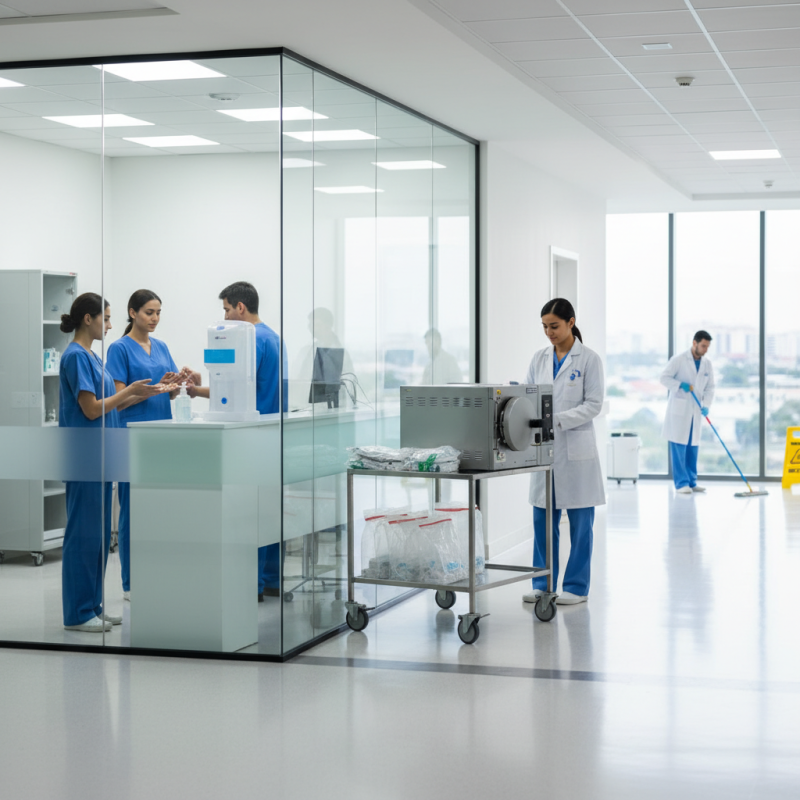
How to Ensure Hygiene in Medical Environments Effectively?

Strategies for Implementing Effective Hand Hygiene Practices in Healthcare

Effective hand hygiene practices are essential in healthcare settings. Healthcare workers interact with numerous patients daily. Contaminating agents can be transferred easily. Regular hand washing with soap and water is crucial. It removes dirt, bacteria, and viruses. Alcohol-based hand sanitizers are a great alternative when soap is not available. They can kill many pathogens when used correctly.

Training staff is vital for establishing a culture of hand hygiene. Regularly scheduled workshops can keep everyone informed. Visual posters in break rooms serve as reminders. Monitoring compliance can be challenging but necessary. Observing hand hygiene practices can help identify areas needing improvement. Feedback is key. Encouragement from peers can foster adherence to hand hygiene protocols.

Implementing these practices may not be straightforward. Some may forget to wash their hands, especially during busy shifts. Others might feel that hand sanitizers are sufficient. Addressing these misconceptions through education is important. Regular audits can assist in understanding challenges. The goal is to create a safe environment for both patients and staff. Every step counts in the fight against infection.

How to Ensure Hygiene in Medical Environments Effectively? - Strategies for Implementing Effective Hand Hygiene Practices in Healthcare

Strategy Description Frequency Responsible Party
Hand Washing Protocol Implementing standard hand washing procedures before and after patient contact. Before and After Every Patient All Healthcare Workers
Hand Sanitizer Availability Ensuring hand sanitizers are available in all patient areas. Continuous Facility Management
Training Programs Regular training sessions on effective hand hygiene practices for all staff. Quarterly Training Coordinator
Monitoring Compliance Conducting audits and checks to monitor compliance with hand hygiene practices. Monthly Quality Assurance Team
Patient Education Informing patients about the importance of hand hygiene in their care. At Admission Nurses

Importance of Environmental Cleaning and Disinfection Protocols in Hospitals

In hospitals, maintaining a clean environment is crucial to patient safety. Environmental cleaning and disinfection protocols are key strategies to reduce healthcare-associated infections (HAIs). According to the Centers for Disease Control and Prevention (CDC), about 1 in 31 hospital patients has at least one HAI on any given day. This statistic underscores the importance of rigorous cleaning practices.

Effective protocols include regular disinfection of high-touch surfaces. These areas, like doorknobs and medical equipment, harbor pathogens. A study published in the American Journal of Infection Control found that proper cleaning reduced pathogen levels by over 70%. Yet, many facilities struggle to meet such standards consistently. Some cleaning staff may lack training or feel overwhelmed by their workload. This can lead to corners being cut in cleaning routines, risking patient safety.

Moreover, the spread of resistant bacteria complicates cleaning efforts. The World Health Organization reported that drug-resistant infections are on the rise, making disinfection even more challenging. Facilities must regularly assess their cleaning practices and invest in staff education. Only through persistent reflection and adaptation can hospitals truly safeguard against HAIs.

Utilizing Antimicrobial Surfaces to Reduce Healthcare-Associated Infections

In medical environments, maintaining hygiene is crucial to preventing healthcare-associated infections. One effective approach is the use of antimicrobial surfaces. These surfaces actively work against pathogens, reducing the risk of contamination. Hospitals and clinics can implement these materials in high-touch areas such as doorknobs, light switches, and countertops.

Tips: Regularly clean these surfaces with appropriate disinfectants. This maximizes their efficacy. Staff should receive training on how to recognize and mitigate potential contamination. Consider monitoring infection rates to assess the effectiveness of antimicrobial surfaces.

Utilizing antimicrobial surfaces presents a challenge. These materials may wear over time, losing their effectiveness. Continuous evaluation of their condition is essential. Facilities must balance initial costs with long-term benefits. It’s vital to stay informed on the latest advancements in antimicrobial technology. This proactive approach can help ensure a safer environment for both patients and healthcare providers.

Training and Compliance: Ensuring Staff Adherence to Hygiene Standards

Training staff on hygiene practices is critical in medical environments. Regular workshops can deepen understanding. Staff should know the consequences of non-compliance. Simple reminders about handwashing can make a significant difference. Visual cues in the workplace can reinforce proper hygiene techniques.

Monitoring practices is equally important. Compliance checks could ensure that staff adheres to hygiene standards. However, it can be challenging to maintain this vigilance. Some might overlook basic procedures in their daily routines. Encouraging open discussions about hygiene failures fosters a learning culture. Staff should feel comfortable reporting lapses.

Creating a comprehensive training program is vital. Engaging training materials can enhance retention. Role-playing scenarios help staff practice responses to hygiene breaches. Reflection on past experiences can guide future improvements. Understanding both the importance and the challenges of adherence is essential for creating a safer medical environment.

Hygiene Compliance in Medical Environments

Monitoring and Evaluating Hygiene Practices through Data Collection and Analysis

In medical environments, hygiene practices must be closely monitored and evaluated through systematic data collection. Research from the World Health Organization indicates that improper hygiene leads to a 30% increase in healthcare-associated infections. Gathering data on hygiene compliance helps identify weaknesses in protocols. For instance, if handwashing rates drop below 80%, patient safety is at risk.

Tips: Regular audits can reveal inconsistencies. Encourage staff to report hygiene failures anonymously. This fosters a culture of accountability and improvement.

Data analysis also helps track the effectiveness of training programs. According to a CDC report, targeted hygiene training can reduce infection rates by up to 50%. However, not all training programs yield results. If post-training audits show no change, it may be time to rethink the approach.

Tips: Use real-time data to adjust hygiene strategies quickly. Consider patient feedback as valuable input, too. This dual approach can enhance overall safety in healthcare settings, yet it requires ongoing reflection on practices.

FAQS

: Why is environmental cleaning important in hospitals?

: It is crucial for patient safety and reducing healthcare-associated infections.

What are high-touch surfaces?

High-touch surfaces include doorknobs, medical equipment, and light switches that harbor pathogens.

How often should these surfaces be disinfected?

Regular disinfection is needed to reduce pathogen levels effectively.

What challenges do cleaning staff face?

Some may lack training or feel overwhelmed, risking cleaning efficacy.

How does drug-resistant bacteria affect cleaning?

The increase of resistant bacteria complicates disinfection efforts significantly.

What are antimicrobial surfaces?

They are materials that actively combat pathogens and reduce contamination risks.

How should antimicrobial surfaces be maintained?

Regular cleaning with appropriate disinfectants is essential for their effectiveness.

What should facilities do regarding staff education?

Investing in training helps staff recognize and mitigate contamination risks.

Can antimicrobial surfaces lose effectiveness?

Yes, over time, these materials may wear and require continuous evaluation.

Why is it important to monitor infection rates?

Monitoring helps assess the effectiveness of cleaning and antimicrobial measures.

Conclusion

Ensuring hygiene in medical environments is critical to preventing healthcare-associated infections and promoting patient safety. Effective hand hygiene practices must be implemented as a primary strategy, encouraging regular and proper handwashing among healthcare staff. Additionally, adhering to comprehensive environmental cleaning and disinfection protocols is essential to maintaining a clean hospital environment. Utilizing antimicrobial surfaces can further aid in reducing the transmission of pathogens.

Moreover, training healthcare staff on hygiene standards and ensuring compliance are key factors in promoting a culture of cleanliness. Regular monitoring and evaluation of hygiene practices through data collection and analysis can help identify areas for improvement. By focusing on these strategies, healthcare facilities can effectively ensure hygiene in medical environments and enhance overall patient care.

Ethan

Ethan

Ethan is a seasoned marketing professional with a deep expertise in our company's innovative product line. With a passion for sharing knowledge and insights, he takes the lead in regularly updating our corporate blog, where he explores industry trends, product features, and effective marketing......